



Wednesday, November 11, 2026 Paksha:Shukla Tithi:Dvitiiya


Wednesday, November 11, 2026 Paksha:Shukla Tithi:Dvitiiya

Friday, November 13, 2026 Paksha:Shukla Tithi:Chaturthi
Friday, November 13, 2026 Paksha:Shukla Tithi:Chaturthi

Saturday, November 14, 2026 Paksha:Shukla Tithi:Panchami

Saturday, November 14, 2026 Paksha:Shukla Tithi:Panchami


Sunday, November 15, 2026 Paksha:Shukla Tithi:Shashthi

Monday, November 16, 2026 Paksha:Shukla Tithi:Saptami
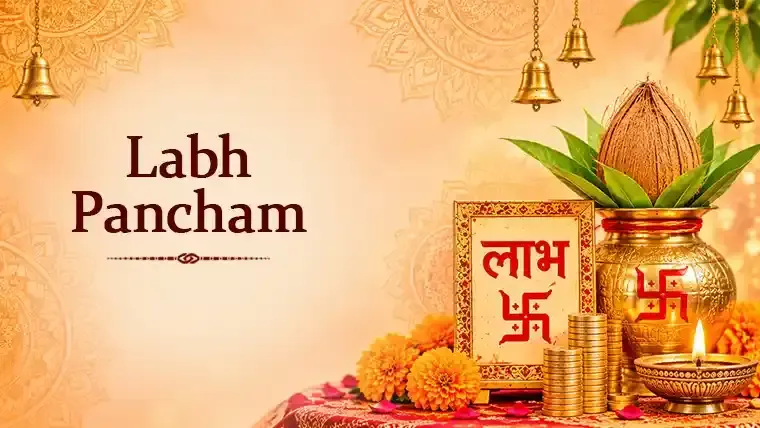
Labh Pancham is a Hindu festival observed on the fifth day of the bright fortnight of the Kartik month, shortly after Diwali. It is also known as Labh Panchami and Labh Panchmi.
The word "Labh" means "gain," "benefit," or "prosperity." Pancham means fifth, while Panchami refers to the fifth tithi, or lunar day. Together, the name points to a day of auspicious gain.
The day is considered ideal for beginning new work, reopening businesses, worshipping account books, and seeking wisdom. It is especially popular in Gujarat and among Gujarati communities around the world.
Labh here does not mean money alone. It also includes knowledge, health, family harmony, success, and sound decisions.
Labh Pancham 2026 Date and Muhurat
Labh Panchami 2026 falls on Saturday, 14 November 2026. The table below gives the key details for New Delhi.
| Detail | Labh Pancham 2026 (New Delhi) |
|---|---|
| Labh Pancham Date | Saturday, 14 November 2026 |
| Tithi | Kartik Shukla Paksha Panchami |
| Panchami Tithi Begins | 08:42 PM IST, 13 November 2026 |
| Panchami Tithi Ends | 11:23 PM IST, 14 November 2026 |
| Labh Pancham Muhurat | 06:43 AM to 10:18 AM IST, 14 November 2026 |
| Duration | 3 hours 35 minutes |
| Best for | Puja, Chopda Pujan, shop reopening, new beginnings |
Panchami tithi is already running at sunrise on 14 November, which is why the festival is observed on that day. The morning muhurat is considered the best window for puja and new beginnings.
All muhurat and panchang timings on this page are calculated for New Delhi, India (IST). Sunrise, sunset, Choghadiya, Rahu Kaal, and local muhurat timings may differ in other cities. For city-specific timings, refer to your local panchang.
Other Names of Labh Pancham
The festival is known by several names across regions and traditions.
Labh Panchami: The common name used across India.
Labh Panchmi: A common alternate spelling and pronunciation of Labh Pancham.
Saubhagya Panchami: The day of good fortune and favorable destiny.
Gyan Panchami: The day linked to knowledge, learning, and wisdom.
Laakheni Panchmi: The name connected to writing, ledgers, and auspicious marks.
Why Is Labh Pancham Celebrated?
Labh Pancham is believed to bring prosperity, good fortune, and steady progress. It is seen as a day to begin ventures with divine blessings.
The festival brings together three divine blessings:
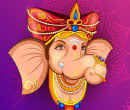
Lord Ganesha for removing obstacles and ensuring a smooth start.
Goddess Lakshmi for wealth, abundance, and stability.
Goddess Saraswati for knowledge, skill, and good judgment.
The deeper message is that lasting gain comes from honest effort, learning, discipline, and right action.
What Do People Do on Labh Pancham?
The day is marked by a mix of prayer, cleaning, and new starts. Common observances include:
Cleaning homes, shops, and workplaces.
Worshipping Lord Ganesha, Goddess Lakshmi, and Goddess Saraswati.
Performing Chopda Pujan, the worship of account books.
Writing Shubh, Labh, and a swastika in new ledgers or diaries.
Reopening businesses with an auspicious first transaction.
Donating food, clothes, books, or money.
Starting new studies, projects, or financial plans.
Chopda Pujan: Worship of Account Books
Chopda Pujan is the most distinctive ritual of Labh Pancham. A chopda is a traditional account book or ledger. The ritual is usually performed as part of the broader Labh Pancham puja.
It involves worshipping ledgers, pens, cash boxes, and other financial records. Traders and business owners mainly perform it. Professionals and families managing household finances may also observe a simple version.
The purpose is to seek honest earnings, accurate accounts, profitable dealings, and protection from losses.
Chopda Pujan Vidhi
The new ledger, pen, and cash box are kept in front of the deities.
A swastika is drawn on the first page using kumkum or chandan.
Shubh is written on the left side, and Labh on the right.
“Om Shree Ganeshaya Namah” is often written at the top of the page.
Aarti is performed before the ledger is opened.
The first entry is made in the new ledger.
Labh Pancham Puja Samagri
The following items are commonly kept ready for the puja:
Images or idols of Lord Ganesha, Goddess Lakshmi, and Goddess Saraswati
Red, yellow, or white cloth for the platform
Kalash, coconut, and mango leaves
Diya, ghee or oil, camphor, and incense
Marigold, lotus, or other fresh flowers
Rice, kumkum, haldi, chandan, and akshat
Durva grass and modak for Lord Ganesha
Sweets, fruits, and panchamrit
New ledger, diary, pen, and cash box
Labh Pancham Puja Vidhi
The general puja is simple and can be performed at home, in a shop, or at an office. It is best done during the morning muhurat.
Devotees wake early, bathe, and wear clean clothes.
The puja area, home temple, or workplace is cleaned.
Images or idols of Lord Ganesha, Goddess Lakshmi, and Goddess Saraswati are placed on a clean cloth.
A diya and incense are lit during the muhurat.
Flowers, akshat, sweets, and fruits are offered.
Lord Ganesha is worshipped first, followed by Goddess Lakshmi and Goddess Saraswati.
Mantras are chanted, and aarti is performed.
Prasad is shared, and new work, study, or business activity begins.
Labh Pancham Mantras
Mantras are chanted during the puja with a calm and focused mind.
Lord Ganesha mantra: Om Gam Ganapataye Namah. It is chanted for obstacle-free beginnings.
Goddess Lakshmi mantra: Om Shreem Hreem Shreem Mahalakshmaye Namah. It is chanted for prosperity and financial stability.
Goddess Saraswati mantra: Om Aim Saraswatyai Namah. It is chanted for wisdom, learning, and clarity.
Each mantra is commonly repeated 11, 21, or 108 times.
Labh Pancham for Different People
The festival is relevant to many groups. The table below shows how different people commonly observe the day.
| Group | How the day is observed |
|---|---|
| Business owners | Chopda Pujan, shop reopening, first sale, and planning for the year |
| Students | Worship of Goddess Saraswati, starting a study plan, and honoring books |
| Job seekers | Prayers to Lord Ganesha and Goddess Saraswati for starting applications or new skills |
| Homemakers | Home puja, cleanliness, family prayers, and charity |
| Investors | Reviewing finances and beginning planned goals with care |
For Shvetambara Jains, the same day is observed as Jnana Panchami or Gyan Panchami. The focus is on worshipping sacred scriptures and honoring the value of knowledge.
Digambara Jains observe the related Shruta Panchami in a different month. The Jain observance shows that the day is about wisdom and learning, not only material gain.
Labh Pancham Vrat and Food
Fasting on Labh Pancham is optional. Some devotees fast until the puja is complete. Others eat only sattvic food afterward.
Those unable to fast can still observe the day by avoiding tamasic food, praying, and keeping a calm mind. Fruits, milk, dry fruits, and simple homemade preparations are commonly eaten.
Do’s and Don’ts on Labh Pancham
Do’s
Perform the puja during the auspicious muhurat.
Worship Lord Ganesha before beginning any ritual or task.
Keep accounts honest and transparent.
Begin work, study, or business activities thoughtfully.
Donate according to capacity.
Don’ts
Avoid quarrels, harsh speech, and negative talk.
Impulsive financial commitments should be avoided.
The day should not be treated as permission for greed or risky speculation.
Practical planning should not be skipped just because the day is auspicious.
Dishonest accounting or unethical dealings go against the spirit of the festival.
A Day for Prosperity and Wisdom
Labh Pancham brings the Diwali season to a graceful close and opens the door to a fresh working year. It reminds us that true gain is not measured in money alone.
Prayers to Lord Ganesha, Goddess Lakshmi, and Goddess Saraswati invite wealth, knowledge, and a smooth start. Observed with honesty and sincerity, the day sets a positive tone for the months ahead.
Festival List
- Nag Panchami
- Raksha Bandhan
- Janmashtami
- Ganesh Chaturthi
- Onam
- Pitru Paksha
- Shardiya Navratri
- Durga Puja
- Dussehra
- Karwa Chauth
- Dhanteras
- Diwali
- Govardhan Puja
- Bhai Dooj
- Chhath Puja
- Tulsi Vivah
- Guru Nanak Jayanti
- Christmas
- New year
- Lohri
- Pongal
- Makar Sankranti
- Vasant Panchami
- Shivratri
- Ramadan
- Holi
- Good Friday
- Navratri
- Gudi Padwa
- Ugadi
- Vaisakhi
- Ram Navami
- Mahavir Jayanti
- Hanuman Jayanati
- Buddha Purnima
- Akshay Tritiya
- Shani Jayanti
- Guru Purnima
- Hariyali Teej