



Tuesday, October 20, 2026 Paksha:Shukla Tithi:Navami
Tuesday, October 20, 2026 Paksha:Shukla Tithi:Navami

Tuesday, October 20, 2026 Paksha:Shukla Tithi:Navami

Tuesday, October 20, 2026 Paksha:Shukla Tithi:Navami

Tuesday, October 20, 2026 Paksha:Shukla Tithi:Navami
Tuesday, October 20, 2026 Paksha:Shukla Tithi:Navami
Wednesday, October 21, 2026 Paksha:Shukla Tithi:Dashami

Wednesday, October 21, 2026 Paksha:Shukla Tithi:Dashami
Wednesday, October 21, 2026 Paksha:Shukla Tithi:Dashami
The Baisakhi festival is an important harvest and religious event in Sikhism and Hinduism. It is also known as Vaishakhi or Baishakhi and holds special significance for Sikhs, as on this day, many Sikhs choose to be baptized. Baisakhi 2026 will be celebrated on April 14th.
Baisakhi 2027 Date & Time
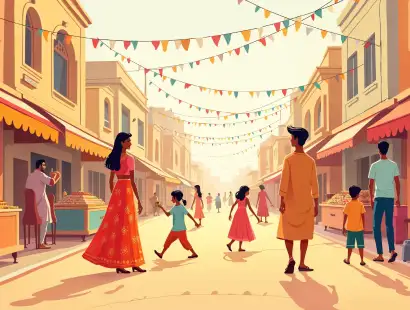
Baisakhi 2026: Date, Time, and Muhurat
Baisakhi is based on the solar calendar and coincides with Mesha Sankranti, which marks the beginning of a new solar year.
So, in 2026, the Baisakhi festival will be celebrated on Tuesday, April 14, 2026.
| Event | Date & Time | Details |
|---|---|---|
| Baisakhi Festival Date | Tuesday, 14 April 2026 | Baisakhi is celebrated on Mesha Sankranti, marking the beginning of the solar new year. |
| Punya Kaal | 5:57 AM – 1:55 PM | Auspicious period for charity, prayers, and spiritual activities. |
| Maha Punya Kaal | 7:30 AM – 11:47 AM | The most sacred time within Punya Kaal for performing religious rituals. |
| Sankranti Moment | 9:39 AM | The exact moment when the Sun enters Aries (Mesha Rashi). |
What is Baisakhi?
Baisakhi is a major harvest festival celebrated primarily in Punjab and northern India. It marks the beginning of the new year in the Sikh calendar and signifies the harvest of Rabi crops.
Baisakhi's meaning is derived from the Hindu month of Vaisakh (or Baisakh), which falls in April and marks the start of the solar new year in many parts of India. The festival takes its name from this month, making it both a seasonal and cultural celebration.
In simple terms, Baisakhi represents prosperity, gratitude, and new beginnings. It is celebrated with religious devotion, cultural performances, and community gatherings.
Significance of Baisakhi
Baisakhi holds deep significance across different aspects of life. It has religious, cultural, and astrological significance, as mentioned below.
Religious Significance
For Sikhs, Baisakhi is one of the most sacred festivals. Devotees visit Gurudwaras, offer prayers, and participate in kirtans to seek blessings and express gratitude.
Cultural Significance
Baisakhi is a vibrant cultural festival marked by traditional dances like Bhangra and Gidda. It brings communities together and reflects the rich heritage of Punjab.
Astrological Significance
Astrologically, Baisakhi marks the Sun’s transition into Aries (Mesha Sankranti), signifying the beginning of a new solar cycle. It is considered an auspicious time for new beginnings and important decisions.
Why is Baisakhi Celebrated?
There are several important reasons behind celebrating Baisakhi, and they perfectly combine the agricultural, cultural, and religious significance of the festival.
Harvest Festival
Baisakhi marks the harvest of Rabi crops, especially wheat, in Punjab. For farmers, it is a time of joy and celebration after months of hard work. They thank nature for a good harvest and pray for prosperity in the coming year.
Sikh New Year
Baisakhi is also regarded as the beginning of the Sikh New Year. It is an important day for the Sikh community, symbolizing renewal and spiritual growth.
Moreover, on this day, Guru Gobind Singh established the Khalsa, a community of committed Sikhs, emphasizing values like equality, courage, and devotion. This event holds immense significance in Sikh history and is a central reason why Baisakhi is celebrated. Let’s find out more about it.
Legend Associated With Baisakhi
As mentioned earlier, Baisakhi is the day when Guru Gobind Singh established the Holy Khalsa in 1699. The establishment of the Khalsa Panth took place when the 10th Guru Gobind Singh roared in front of crowds of thousands, asking who would die for the cause of the religion.
Five men eventually volunteered to lay down their lives, but Guru Gobind Singh did not kill them; instead, he baptized them, and the men became the first five members of the group called Khalsa.
The five men who comprised the Khalsa with five symbols of 'purity and courage' were called the five K's. The Five K's are:
The Kesh (uncut hair)
The Kangha (comb)
The Katchera (underwear)
The Kara (steel ring)
The Kirpan (sword)
It was on Vaisakhi Day that Guru Gobind Singh administered amrit (nectar) to his first batch of five disciples, making them Singh. After the Vaisakhi (Baisakhi) day in 1699, the tradition of the Gurus was discontinued, and the Granth Sahib—the Holy Book of the Sikhs—was declared the eternal guide of the Sikhs.
Baisakhi Festival is Celebrated in Which State?
Baisakhi is primarily celebrated in Punjab, where it holds the greatest cultural and religious importance.
However, the festival is also celebrated in other regions, including:
Haryana
Himachal Pradesh
Parts of northern India
Additionally, Sikh communities around the world celebrate Baisakhi with equal enthusiasm, especially in countries like Canada and the United Kingdom.
Rituals and Celebrations of Baisakhi
Baisakhi is celebrated with a variety of rituals and traditions that reflect both spirituality and joy.
Gurudwara Visits
Devotees visit Gurudwaras early in the morning to offer prayers. Special kirtans and readings from the Guru Granth Sahib are conducted, creating a spiritual atmosphere.
Nagar Kirtan
Processions known as Nagar Kirtan are organized, where people sing hymns and carry the Sikh flag through the streets. These processions promote unity and devotion.
Bhangra and Gidda
Traditional dances like Bhangra (performed by men) and Gidda (performed by women) are an essential part of Baisakhi celebrations. These energetic dances express happiness and cultural pride.
Langar (Community Meal)
Langar, the community kitchen, is organized in Gurudwaras where free meals are served to everyone, regardless of caste or background. It represents equality and sharing.
Celebrate Baisakhi with positivity and new beginnings. Talk to an astrologer today to understand what this new solar year holds for your life and make the most of this auspicious time.
Final Words
Baisakhi 2026 is not just a festival but a celebration of life, culture, and faith. From its roots as a harvest festival to its deep connection with Sikh history, it holds immense importance for millions of people.
As communities come together to celebrate Baisakhi, the festival continues to symbolize prosperity, unity, and new beginnings for the year ahead.
Festival List
- Nag Panchami
- Raksha Bandhan
- Janmashtami
- Ganesh Chaturthi
- Onam
- Pitru Paksha
- Shardiya Navratri
- Durga Puja
- Dussehra
- Karwa Chauth
- Dhanteras
- Diwali
- Govardhan Puja
- Bhai Dooj
- Chhath Puja
- Tulsi Vivah
- Guru Nanak Jayanti
- Christmas
- New year
- Lohri
- Pongal
- Makar Sankranti
- Vasant Panchami
- Shivratri
- Ramadan
- Holi
- Good Friday
- Navratri
- Gudi Padwa
- Ugadi
- Vaisakhi
- Ram Navami
- Mahavir Jayanti
- Hanuman Jayanati
- Buddha Purnima
- Akshay Tritiya
- Shani Jayanti
- Guru Purnima
- Hariyali Teej