


Sunday, September 27, 2026 Paksha:Krishna Tithi:Prathama

Monday, September 28, 2026 Paksha:Krishna Tithi:Dvitiiya
Tuesday, September 29, 2026 Paksha:Krishna Tithi:Tritiiya
Tuesday, September 29, 2026 Paksha:Krishna Tithi:Tritiiya
Tuesday, September 29, 2026 Paksha:Krishna Tithi:Tritiiya
Wednesday, September 30, 2026 Paksha:Krishna Tithi:Chaturthi

Wednesday, September 30, 2026 Paksha:Krishna Tithi:Chaturthi

Tuesday, September 1, 2026 Paksha:Krishna Tithi:Panchami

Wednesday, September 2, 2026 Paksha:Krishna Tithi:Shashthi
Wednesday, September 2, 2026 Paksha:Krishna Tithi:Shashthi
Guru Purnima 2026 will be observed on 29 July 2026, marking a special occasion to honor gurus, teachers, mentors, and spiritual guides who illuminate the path of wisdom and self-discovery. Celebrated on the full moon day of the Ashadha month in the Hindu calendar, the festival holds deep significance in Hinduism, Buddhism, and Jainism.
Guru Purnima 2027 Date & Time

Purnima Tithi Begins - 06:48 PM on Jul 17, 2027
Purnima Tithi Ends - 09:14 PM on Jul 18, 2027
Guru Purnima 2026: Date and Timings for New Delhi as per Panchang
Here are the key Guru Purnima date and timing details based on the Hindu Panchang:
| Detail | Timings (IST, New Delhi) |
|---|---|
| Guru Purnima Date | 29 July 2026 (Wednesday) |
| Purnima Tithi Starts | 06:18 PM on 28 July 2026 |
| Purnima Tithi Ends | 08:05 PM on 29 July 2026 |
| Moonrise on Purnima | 07:21 PM |
| Paksha | Shukla Paksha |
| Brahma Muhurat | 04:17 AM to 04:59 AM |
| Godhuli Muhurat | 07:14 PM to 07:35 PM |
| Amrit Kalam | 08:34 AM to 10:20 AM |
| Pratah Sandhya | 04:38 AM to 05:41 AM |
*Note: Guru Purnima timings may vary slightly depending on your location. Always refer to your local Panchang for the most accurate observance.
How is Guru Purnima Observed Across Traditions
Guru Purnima is one of the few festivals that transcends religious boundaries, uniting diverse spiritual traditions through a shared reverence for the Guru. Although the rituals and historical associations vary, the essence of the day remains the same: expressing gratitude to those who guide us toward truth, knowledge, and self-realization.
In Hinduism
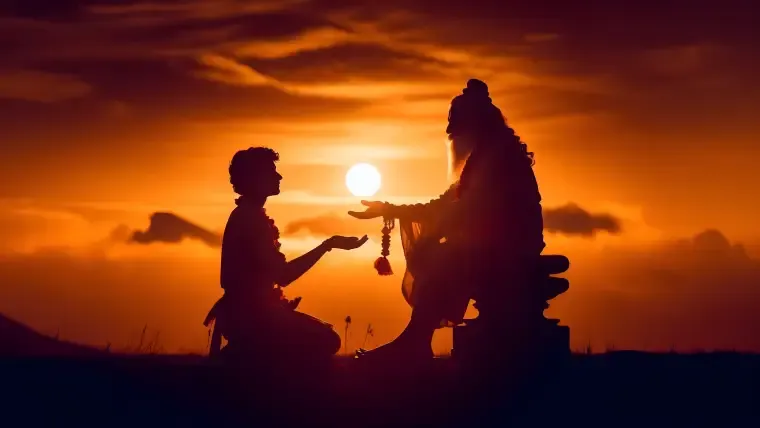
In Hinduism, Guru Purnima celebrates the timeless Guru-Shishya Parampara (teacher-disciple tradition), which has preserved India's spiritual, philosophical, and cultural heritage for thousands of years. Long before formal institutions existed, sacred knowledge was passed from Guru to disciple through devotion, discipline, and direct experience.
The day is especially dedicated to Maharishi Ved Vyasa, the revered sage who compiled the Vedas, authored the Mahabharata, and composed the Brahma Sutras and eighteen Puranas. Because of his immense contribution to preserving Sanatana Dharma, Guru Purnima is also known as Vyasa Purnima.
The day also honors great spiritual masters such as Adi Shankaracharya, Ramanujacharya, Madhvacharya, Swami Vivekananda, and countless saints whose teachings continue to inspire seekers across generations.
In Buddhism
For Buddhists, Guru Purnima commemorates one of the most significant moments in Buddhist history, the day Gautama Buddha delivered his first sermon after attaining enlightenment.
Known as the Dhammacakkappavattana Sutta (Setting the Wheel of Dharma in Motion), this discourse was delivered at Deer Park in Sarnath. Through this teaching, Buddha introduced the Four Noble Truths and the Noble Eightfold Path, laying the foundation of Buddhist philosophy and practice.
Guru Purnima also marks the beginning of Vassa, the three-month monastic retreat observed during the rainy season. During this period, monks remain in monasteries, dedicating themselves to meditation, scriptural study, and deeper spiritual discipline, while lay followers support them through offerings and acts of generosity.
For Buddhists, the occasion is a reminder of the profound value of learning, compassion, mindfulness, and the transformative role of a spiritual teacher.
In Jainism
Guru Purnima holds special significance in Jainism as well. According to Jain tradition, it was on Ashadha Purnima that Lord Mahavira, the twenty-fourth Tirthankara, accepted Indrabhuti Gautam (Gautam Swami) as his first and foremost disciple.
Initially a renowned scholar, Gautam Swami approached Mahavira with questions and skepticism. Through Mahavira's wisdom and spiritual insight, he eventually became one of Jainism's greatest teachers and an enlightened disciple. This marked the formal beginning of the Jain Guru-disciple lineage.
On Guru Purnima, Jains pay homage to their Acharyas, monks, nuns, and spiritual guides by studying Jain scriptures, engaging in meditation, practicing self-discipline, and reflecting on the values of non-violence, truth, and detachment.
The day reinforces the belief that spiritual liberation is possible only through the guidance of enlightened teachers who lead seekers toward self-realization.
Want to know why Guru Purnima is celebrated? Read the fascinating story of Adi Yogi, the Saptarishis, and Sage Vyasa to discover the true origin and significance of Guru Purnima. Read the Story of Guru Purnima
Guru Purnima Puja Vidhi: How to Observe the Day
Performing the Guru Purnima Puja with sincerity is considered highly auspicious.
Wake up early during Brahma Muhurta and take a bath before sunrise. After bathing, wear clean yellow or white clothes, clean the puja area, light a diya, and take a vow to observe the day with devotion.
Arrange the worship space. Place the Guru’s image or a symbolic object (a Rudraksha mala, scripture, or a lit lamp) on the altar, offer fresh flowers, incense, light a ghee lamp, and place fresh fruit or prasad. You may also offer a shawl or a clean cloth as a symbolic gesture of respect.
Chant the Guru mantra or devotional chants associated with your tradition (for example, Guru Stotram, Guru Gita passages, or Om Guruve Namah). Reading or listening to teachings (bhajans, shlokas, or Guru Gita) is recommended.
Conclude the puja with aarti and spend some time in meditation and self-reflection. The day is regarded as especially favorable for introspection, gratitude, and spiritual growth.
After moonrise in the evening, step outside and offer Arghya (water mixed with milk) to the full moon. Light a ghee diya facing the moon and pray for wisdom, clarity, and the continued blessings of your Guru. The full moon of Ashadha month is believed to enhance meditation, inner awareness, and receptivity to divine wisdom.
Offer donations and charity (daan). Charity performed on Guru Purnima is considered especially meritorious.
Recommended donations include:
Books and educational materials
Food and water to the needy
Clothes
Financial support to schools, ashrams, or spiritual institutions
Feeding students, priests, or those in the service of knowledge
If you have a living Guru, Guru Purnima is considered the most auspicious day to visit them, perform Padapuja (worship of their feet), and seek their blessings.
Guru Purnima Mantra
One of the most widely recited Guru mantras on this day is:
Gurur Brahma Gurur Vishnuh, Gurur Devo Maheshwarah। Guruh Sakshat Parabrahma, Tasmai Shri Gurave Namah॥
Meaning: The Guru is Brahma, Vishnu, and Maheshwara. The Guru is the Supreme Reality itself. I bow to that revered Guru.
Guru Purnima Vrat or Fasting Rules
Unlike Ekadashi or other Purnima observances, Guru Purnima is not primarily a fasting day. The focus is on being grateful, performing puja, and spiritual activity rather than austerity.
However, many devoted disciples choose to observe a partial fast, consuming only sattvic food and avoiding onion, garlic, meat, and alcohol, as a mark of respect and inner discipline. Those who wish to observe a stricter vrat may eat only once, after the puja and before moonrise.
Guru Purnima Significance
The importance of Guru Purnima extends far beyond ritual worship. It is a celebration of wisdom, devotion, and lifelong learning.
1. Expressing Gratitude
The day encourages devotees to acknowledge the contributions of teachers, mentors, parents, and spiritual guides.
2. Spiritual Growth
Guru Purnima inspires individuals to renew their commitment to self-improvement, discipline, and spiritual practice.
3. Honoring Knowledge
Knowledge is considered sacred in Hindu philosophy. Guru Purnima reminds us that learning is a lifelong process.
5. Strengthening the Guru-Disciple Relationship
The festival highlights the sacred bond between Guru and disciple, built on trust, respect, and guidance.
7. Beginning New Spiritual Practices
The full moon energy is believed to enhance focus, clarity, and self-discipline. Many people choose Guru Purnima to begin:
Mantra chanting
Scriptural study
Spiritual vows
Yoga practices
Guru Purnima and Jupiter: The Astrological Connection
In Vedic astrology, Jupiter (Guru or Brihaspati) is regarded as the celestial Guru among the nine planets (Navagrahas). It symbolizes wisdom, higher knowledge, spirituality, righteousness, prosperity, and divine guidance.
Many astrologers consider Guru Purnima an auspicious day to strengthen Jupiter's positive influence by engaging in acts such as studying sacred texts, seeking blessings from teachers, performing charity, chanting Guru or Brihaspati mantras, and beginning a journey of spiritual learning.
Final Words
Guru Purnima 2026 is an important occasion to honor knowledge, gratitude, and spiritual guidance. Whether you pay your respects to a Guru, a teacher, a mentor, or your parents, this sacred day offers an opportunity to express appreciation and respect to those who have illuminated your path.
Just as Guru Purnima reminds us to seek guidance from enlightened teachers, many people also look for spiritual direction in different areas of life. If you're seeking clarity about your career, relationships, finances, or future, expert astrologers at Astroyogi can help with personalized insights and remedies. Call or Chat Now to Consult!
Festival List
- Nag Panchami
- Raksha Bandhan
- Janmashtami
- Ganesh Chaturthi
- Onam
- Pitru Paksha
- Shardiya Navratri
- Durga Puja
- Dussehra
- Karwa Chauth
- Dhanteras
- Diwali
- Govardhan Puja
- Bhai Dooj
- Chhath Puja
- Tulsi Vivah
- Guru Nanak Jayanti
- Christmas
- New year
- Lohri
- Pongal
- Makar Sankranti
- Vasant Panchami
- Shivratri
- Ramadan
- Holi
- Good Friday
- Navratri
- Gudi Padwa
- Ugadi
- Vaisakhi
- Ram Navami
- Mahavir Jayanti
- Hanuman Jayanati
- Buddha Purnima
- Akshay Tritiya
- Shani Jayanti
- Guru Purnima
- Hariyali Teej