


Saturday, October 17, 2026 Paksha:Shukla Tithi:Saptami
Saturday, October 17, 2026 Paksha:Shukla Tithi:Saptami
Saturday, October 17, 2026 Paksha:Shukla Tithi:Saptami
Sunday, October 18, 2026 Paksha:Shukla Tithi:Ashtami
Monday, October 19, 2026 Paksha:Shukla Tithi:Navami
Monday, October 19, 2026 Paksha:Shukla Tithi:Navami

Monday, October 19, 2026 Paksha:Shukla Tithi:Navami
Tuesday, October 20, 2026 Paksha:Shukla Tithi:Navami
Tuesday, October 20, 2026 Paksha:Shukla Tithi:Navami
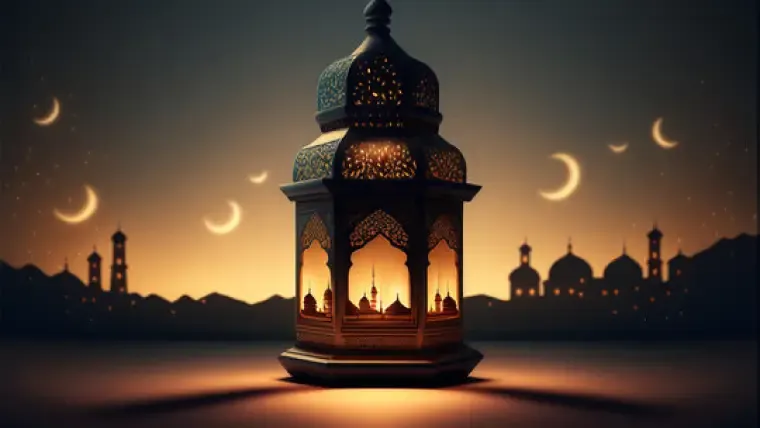
Ramadan 2026 is a festival that is celebrated in the ninth month, according to the Muslim calendar. This is considered to be a holy month where people observe strict fasting, called Roza. The festival is celebrated in accordance with the appearance of the moon and therefore it will start on the 18th of February this year, ending on the 19th of March with the crescent moon appearing in the night sky.
Ramzan or Ramadan 2027 Date & Time
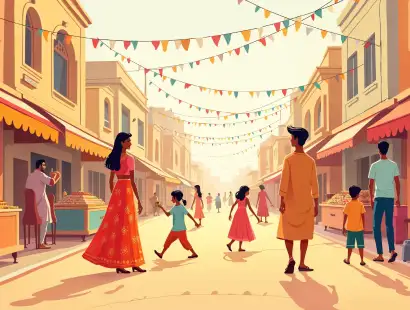
Ramadan Mubarak
The Gregorian calendar is longer than the Islamic calendar year, as a result, the celebrations of the festival start over 10 to 15 days early each year. Due to this, the festival falls in every season through a cycle of 33 years.
The period of this festival is about fasting and restraint. However, it is not so much about the atonement of sins and more about practicing self-restraint. By doing so, the Muslims observe sawm which is an Arabic word for refrain. This is one of the five basic tenets of the religion, and a strong pillar of Islam.
Significance of Ramadan Mubarak
According to the ancient Islamic traditions, it is believed that it was around this day, on the "Night of Power," that occurs at the end of the ten days of Ramadan that God revealed the sacred Quran to Prophet Muhammad. This "Night of Power" is also popularly known as Laylat Al-Qadr and it usually occurs on the 27th night. The holy book of the Quran was meant to be a beacon of light for the people, guiding them through the maze of life.
For the Muslim community, the period of this festival is marked by introspection while reading the lessons of the Quran. The festival gets even greater importance as people get together for communal prayers in the mosque which is also known as Salat. Due to the strict penance observed by the devotees through prayers and fasting during this holy month, God forgives the sins of the past, allowing one to lead their existence fulfilling their holy purpose.
How Long Does Happy Ramzan Last?
This festival lasts for a duration of one lunar cycle which is around a period of 30 days. The sighting of the moon before this festival marks its onset. However, in recent times observing the sky and making astronomical calculations has become the norm, occupying a lot more significance than it had before in ascertaining the beginning of the festivities.
A Muslim mathematician named Muhammed al-Fazari developed a navigational instrument in the 8th century which has proved to be of great help in calculating the 2026 Ramadan dates as well as other religious occasions. This tool also uses the direction of the holy Mecca to help determine the date with accuracy. Based on these calculations, the moon-sighting committee that is based in Mecca, Saudi Arabia, announces the commencement of this festival officially.
How is Ramadan Calendar 2026 Observed?
The beginning of the festival varies from one location to the other since it is dependent upon the sightings of the moon, especially the crescent moon that appears after the new moon. The local mosque announces the exact date of the festival everywhere. Since the lunar calendar is followed the Islamic religion, the festival arrives 11 days early each year as per the Gregorian calendar. As a consequence of this, there is not one single season that is linked to the festivities of 2026 Ramadan dates.
Let us now look at the ways Muslims around the world celebrate this holy month:
- During the sacred month of this festival, the Muslim community abstains from eating and drinking during the day. Apart from this, smoking, drinking, maintaining sexual relations, immoral speech, and behavior is frowned upon.
- This rigorous fasting is called sawm, and it is an important pillar upon which the religion finds its foundation.
- In order to survive the long and harsh days without food and drinks, Muslims wake up early in the morning, before the sun rises, and eat a healthy meal.
- This meal before the daybreak is called suhur.
- During the day, Islam teaches its disciples to partake in charitable activities as well as devote their time to spiritual activities like reading the Quran and offering prayers.
- Once the sun sets, the fast is broken with a hearty meal that is referred to as iftar.
- Iftar is celebrated with the entire family and community at home or at the community centers. Even the mosques in the neighborhood make arrangements for people to get together and eat, breaking their day-long fast.
- The fasting can be painstaking at times and as a result, special exemptions are made for children, the aged, women who are pregnant as well as for people who are suffering from serious health issues.
Things To Remember During Happy Ramzan
The following rules must be kept in mind if you are observing the fasts of Ramadan or in case you are visiting a Muslim nation during this sacred month-
- Avoid eating, drinking, and even smoking in public places during daylight hours if you are a non-muslim in an Islamic country.
- Refrain from public displays of affection.
- Do not dance or play loud music in a public space.
- Control any aggressive impulses and strictly refrain from swearing.
- Dress appropriately during this time. Women should cover their heads, shoulders, and knees while men must cover their arms.
- Consider it an honor if you are invited to the iftar at dawn. Join the hosts to celebrate the festivities with vogor.
- Politely wish people by using the phrase, "Ramadan Karem," which is Happy Ramadan in English
- Observe silence and propriety near a mosque, especially during the time of Ramadan dua.
Festivities After Happy Ramadan
Once the period of fasting is over, the Muslim community gears up for a three-day holiday that is called Eid Al Fitr. Since people no longer have to observe fasts, so everybody revels in the festivities whole heartily. People decorate their houses, dress up in new clothes and prepare delectable meals for their loved ones.
The celebrations of Eid differ across cultures and geographical locations. However, what binds the people together is the spirit of celebration and generosity. Every Muslim member in the community showcases their hospitality during the festival. Gifts are shared with not only your near and dear ones, but keeping up with the charitable intentions propagated in the Quran, sweets and clothes are distributed among the needy and poor.
Legends Associated With Ramadan
The festival was a part of the ancient Arabic calendars as it has been discovered by scholars and historians. As such, the name of the festival is derived from the Arabic word "ar-ramad," meaning scalding heat. As per the legends, it is believed that around A.D. 610, the archangel Gabriel appeared in front of Prophet Muhammed in a cave. He revealed to him the Quran for the first time, and from then on the book became the holy book of the Muslims. This revelation on the Layat-Al-Qadar or the "Night of Power" is deemed to have occurred during the Ramadan dates. Hence, it is in order to commemorate the revelation of the Quran that Muslims around the world observe fasts throughout the holy month.
The festival is a way for the people of the community to reflect on their actions and celebrate the teachings of the Quran that help them become better human beings while also forging harmony with the others around them.
Get personalized insights - Consult with an Astrologer on Astroyogi now!
Festival List
- Nag Panchami
- Raksha Bandhan
- Janmashtami
- Ganesh Chaturthi
- Onam
- Pitru Paksha
- Shardiya Navratri
- Durga Puja
- Dussehra
- Karwa Chauth
- Dhanteras
- Diwali
- Govardhan Puja
- Bhai Dooj
- Chhath Puja
- Tulsi Vivah
- Guru Nanak Jayanti
- Christmas
- New year
- Lohri
- Pongal
- Makar Sankranti
- Vasant Panchami
- Shivratri
- Ramadan
- Holi
- Good Friday
- Navratri
- Gudi Padwa
- Ugadi
- Vaisakhi
- Ram Navami
- Mahavir Jayanti
- Hanuman Jayanati
- Buddha Purnima
- Akshay Tritiya
- Shani Jayanti
- Guru Purnima
- Hariyali Teej