



Sunday, September 13, 2026 Paksha:Shukla Tithi:Tritiiya
Sunday, September 13, 2026 Paksha:Shukla Tithi:Tritiiya
Monday, September 14, 2026 Paksha:Shukla Tithi:Chaturthi
Monday, September 14, 2026 Paksha:Shukla Tithi:Chaturthi
Tuesday, September 15, 2026 Paksha:Shukla Tithi:Panchami
Wednesday, September 16, 2026 Paksha:Shukla Tithi:Shashthi
Thursday, September 17, 2026 Paksha:Shukla Tithi:Saptami

Thursday, September 17, 2026 Paksha:Shukla Tithi:Saptami
Thursday, September 17, 2026 Paksha:Shukla Tithi:Saptami
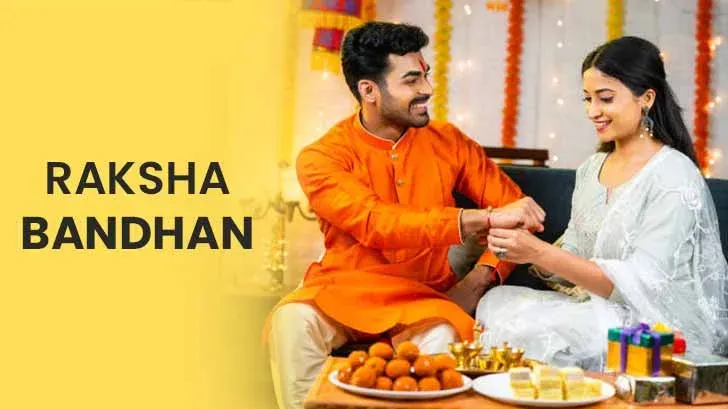
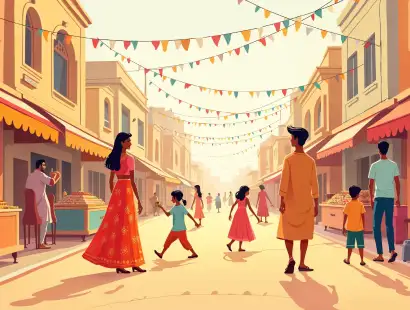
Raksha Bandhan is a festival honoring the bond between a brother and his sister. It celebrates the promise of safety made by a brother to his sister. This festival is celebrated on a full moon day, or Purnima, which is why it is also known as Rakhi Purnima, in the month of Shravan as per the Hindu Panchang. This year, however, the festival will fall on August 28.
Raksha Bandhan 2026 Date & Time
Duration - 03 Hours 40 Mins
Purnima Tithi Begins - 09:08 AM on Aug 27, 2026
Purnima Tithi Ends - 09:48 AM on Aug 28, 2026
Raksha Bandhan 2026 City-Wise Rakhi Muhurat
| 🏙️ City | 🪢 Rakhi Muhurat / Thread Ceremony | ⚠️ Rahu Kaal |
|---|---|---|
| 🇮🇳 Delhi | 5:57 AM – 9:48 AM ⏱️ Duration: 3 Hours 51 Mins |
4:47 AM – 6:23 AM |
| 🇮🇳 Mumbai | 6:23 AM – 9:48 AM ⏱️ Duration: 3 Hours 25 Mins |
5:06 AM – 6:41 AM |
| 🇮🇳 Bengaluru | 6:08 AM – 9:48 AM ⏱️ Duration: 3 Hours 39 Mins |
4:49 AM – 6:22 AM |
| 🇮🇳 Chennai | 5:58 AM – 9:48 AM ⏱️ Duration: 3 Hours 50 Mins |
4:38 AM – 6:11 AM |
| 🇮🇳 Kolkata | 5:18 AM – 9:48 AM ⏱️ Duration: 4 Hours 30 Mins |
4:04 AM – 5:39 AM |
| 🇮🇳 Hyderabad | 6:01 AM – 9:48 AM ⏱️ Duration: 3 Hours 46 Mins |
4:44 AM – 6:18 AM |
| 🇮🇳 Ahmedabad | 6:21 AM – 9:48 AM ⏱️ Duration: 3 Hours 27 Mins |
5:07 AM – 6:42 AM |
| 🇮🇳 Pune | 6:19 AM – 9:48 AM ⏱️ Duration: 3 Hours 28 Mins |
5:02 AM – 6:37 AM |
Note: Rahu Kaal is traditionally avoided for auspicious activities. Check the city-specific timings before performing the Rakhi ceremony.
What is Raksha Bandhan About?
On Raksha Bandhan, sisters all around India tie a sacred thread called "Rakhi" on their brother's wrist. This decorative thread is a symbol of unwavering faith that the sisters have in their brothers. In return, the brothers pledge to keep their sisters happy, making them smile against all odds.
Moreover, sisters also pray for the long life of their brothers on this auspicious day. Gifts are an important element of this day as the brothers showcase their love by showering their sisters with gifts and blessings.
The Significance of Raksha Bandhan
Astrologically, this festival is celebrated on Sharavana Purnima, which marks the end of the month of Shravana. From the religious standpoint, the threads of rakhi are not merely decorative; they are rather the Raksha sutra that is meant to ward off all evil and offer protection to its bearer. Moreover, it is said that the celestial bodies of Mars, Jupiter, the Moon, and the Sun are connected to the nine sacred threads of rakhi.
Each of these planets represents the younger sibling, the older sibling, mother, and father, respectively. The planet of Mars gets strengthened when sisters tie a Rakhi on their brother's wrist.
Where Did Raksha Bandhan Come From?
The festival of Raksha Bandhan has several legends associated with it rather than being based on a single legend.
The common ones include:
The tale of Sachi, tying the thread of protection around Indra's wrist before the battle
The legend of Draupadi saving the bleeding finger of Lord Krishna
And that of Goddess Lakshmi, tying a sacred thread around King Bali’s wrist to enable Lord Vishnu to come back home
These myths altogether form the basic theme of Raksha Bandhan. That is, it symbolizes the relationship of love and duty that binds brothers and sisters.
The Names of Raksha Bandhan in Different Regions
Rakhi / Rakhi Purnima / Raksha Bandhan — North India; The popular name in Hindi is called “Raksha Bandhan” wherein "Raksha" means “protection” and "Bandhan" means "bond."
Nariyal Purnima / Narali Purnima — Maharashtra and the western coastal regions; this name has been derived from the tradition of offering a coconut, wherein “nariyal/narali” means coconut.
Pavitropana — Gujarat; this name is derived from the rituals of worship and purification that happen on this auspicious day.
Avani Avittam / Upakarma — South India; the name comes from the sacred-thread ritual, where “Avittam” refers to the star/month context and the day is used for changing the janeu.
Jhulan Purnima — West Bengal and Odisha; This name is derived from “jhula” meaning swing, linked to Krishna-Radha swing celebrations.
Gamha Purnima — Odisha; this name has been derived from the harvest rituals along with the full moon celebrations.
Lumba Rakhi — Rajasthan; this name has been derived from the tradition of tying rakhi to the sister-in-law’s bangles/wrist along with her brother.
Common Mistakes Made When Celebrating Raksha Bandhan
Not checking the Panchang before the ceremony. This ritual is best performed at an auspicious time, and omitting this process is a common mistake. So, checking today’s panchang is a must.
Not offering rakhi to deities first. According to certain beliefs, rakhi must be tied to Lord Ganesha, Lord Shiva, Lord Hanuman, or Lord Krishna prior to the brother's.
Facing the wrong direction. Several traditions advise that the brother should not face south; east or north is considered more auspicious.
Wearing dark or tamasic clothes and eating tamasic food. It is typically advised that one should not wear black clothing or eat non-veg, onion, garlic, etc., on this particular day.
Throwing away the rakhi carelessly after the festival. Many religious guides say it should be kept respectfully or immersed properly, not discarded casually.
How To Celebrate Raksha Bandhan
Cleanse the puja place and arrange a thali that contains rakhi, roli or kumkum, akshat, a diya, and sweets.
Take a ritual bath on the day of Savan Purnima before sunrise.
Perform a dev tarpan as well as a pitra tarpan to appease both the Gods and the ancestors.
Apply a tilak on the forehead of your brother with roli or kumkum.
Place akshat on the tilak as a mark of blessings and prosperity.
Perform aarti with the help of a diya.
Tie the rakhi on the right hand of your brother by reciting a prayer or mantra.
Offer sweets to each other to complete the ritual with goodwill and affection.
The brother gives a gift to the sister and blesses her.
Girls can also tie a rakhi to their sister-in-law, father, nephews, and nieces.
To know more about how to perform a dev tarpan and/or pitra tarpan, connect with Astroyogi astrologers today!
Frequently Asked Questions
When does Raksha Bandhan fall in 2026, and what is the shubh muhurat?
Raksha Bandhan 2026 will be celebrated on Friday, August 28. The rakhi muhurat opens at local sunrise and stays open till 9:48 AM, the moment Shravana Purnima tithi comes to a close. For the exact sunrise time in your city, check the city-wise table above.
Does Bhadra affect Raksha Bandhan this year?
There's no need to worry about Bhadra in 2026. The Vishti karana falls a day earlier, on August 27, between 9:09 AM and 9:32 PM, and gets over well ahead of sunrise on the 28th. That leaves the entire rakhi-tying morning free of Bhadra.
Is it fine to tie the rakhi later in the day?
Since the Purnima tithi wraps up by 9:48 AM on August 28, the morning is considered the most auspicious window to tie the rakhi. If your family prefers tying it later, it's best to steer clear of Rahu Kaal — the city-specific timing for this is listed in the table above.
Do the rakhi timings really vary from city to city?
The tithi and Bhadra timings stay the same across India, since they're tied to a single national clock instant. What does change by location is anything linked to sunrise — the muhurat opening, Rahu Kaal, and the Aparahna window — so it's worth checking the table for your own city rather than going by a general time.
Festival List
- Nag Panchami
- Raksha Bandhan
- Janmashtami
- Ganesh Chaturthi
- Onam
- Pitru Paksha
- Shardiya Navratri
- Durga Puja
- Dussehra
- Karwa Chauth
- Dhanteras
- Diwali
- Govardhan Puja
- Bhai Dooj
- Chhath Puja
- Tulsi Vivah
- Guru Nanak Jayanti
- Christmas
- New year
- Lohri
- Pongal
- Makar Sankranti
- Vasant Panchami
- Shivratri
- Ramadan
- Holi
- Good Friday
- Navratri
- Gudi Padwa
- Ugadi
- Vaisakhi
- Ram Navami
- Mahavir Jayanti
- Hanuman Jayanati
- Buddha Purnima
- Akshay Tritiya
- Shani Jayanti
- Guru Purnima
- Hariyali Teej