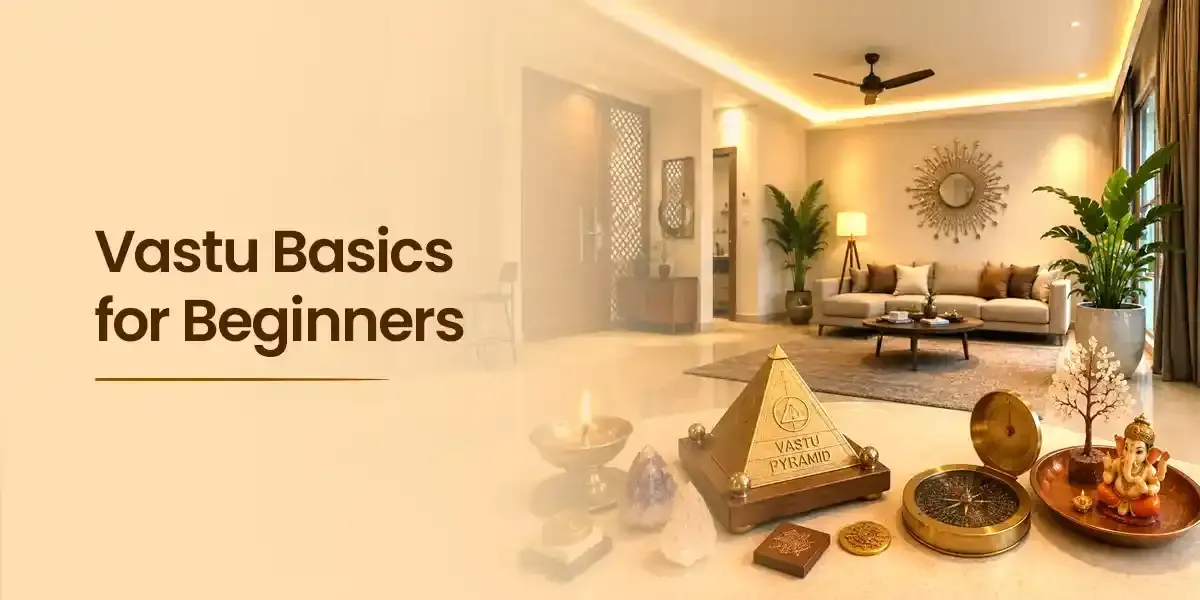


Air Element in Vastu
The Air Element in Vastu represents movement, communication, and vitality. When properly balanced, it enhances positivity, clarity, and well-being within your space. Understanding Vayu Tatva helps you create a harmonious and refreshing home environment.
Did you know? We breathe approximately 20,000 times a day, and each breath brings in fresh air, the very force that keeps us alive and alert. Yes, our bodies need fresh air, and guess what? Our homes, too!
The air element in Vastu (Vayu Tatva) is like your home’s invisible lifeline. It being in sync (or not) has a huge impact on how your space feels, from the way energy moves to how emotions flow.
So, if things have been feeling heavy lately, maybe it’s time to let your home (and your mind) breathe a little. That said, let’s open those windows (metaphorically and spiritually) and learn how to let the right kind of air flow through your life.
Significance of the Air Element in Vastu
The Air Element, or Vayu Tatva as it’s called in Vastu, is all about motion, vibes, and balance. You can’t see it, but you can definitely feel it. So, if you walk into a room that just feels heavy, despite its neat and spotless appearance, that’s stale air energy right there.
Air connects everything around you and even carries sound, emotions, and intentions. When it’s strong, conversations flow, ideas spark, and everything just feels light and easy.
But when it’s out of whack? Expect stuffy vibes, low energy, and random mood swings.
So, if you want peace, productivity, and good vibes all around, you’ve got to get your air element right.
Attributes & Energies of the Air Element in Vastu
The air element in Vastu is all about motion and connection. Call it the “let’s-get-things-moving” energy, which affects your mood, your focus, and even how you interact with others. Here’s what it brings to your space:
Freedom & Flow: Air energy reminds you not to get stuck in thoughts or situations. It keeps life flexible and moving forward.
Communication & Relationships: It governs how we express ourselves. When balanced, words flow easily and people actually get you.
Creativity & Inspiration: Fresh air means fresh ideas. It fuels imagination and out-of-the-box thinking.
Positivity & Vitality: Balanced air energy keeps your spirit uplifted and your body feeling light and active.
Clarity & Focus: A well-balanced air element helps clear mental fog, creating space for new perspectives and smarter decisions.
Effects of the Air Element in Vastu as per Direction
In Vastu, direction plays a big role in how the Air Element behaves. Each corner of your home interacts differently with it. Here’s the lowdown:
Northwest (Primary Air Zone): The superstar direction for air. It represents movement, social connection, and communication. Balanced air here brings better relationships and stronger networking.
North: The North direction enhances creativity, clarity, and focus. It's best for work desks or study areas, all you need is to keep these places airy, clutter-free, and naturally lit.
East: Symbolizes new beginnings and freshness. Proper air flow here energizes your mornings and keeps your mood positive.
South or Southwest: Avoid strong air movement here as it can cause emotional instability or restlessness. Keep it calm and grounded.
West: A neutral zone. Gentle air circulation here supports peace and reflection, but avoid strong fans or too much ventilation.
In short, let the air dance through your home, just make sure it’s twirling in the right directions.
Colors, Materials & Décor That Support the Air Element
The Air Element in Vastu is all about freshness, freedom, and lightness — so your home should feel just like that: open, breathable, and alive. When you design with air energy in mind, it’s not about filling space — it’s about creating space for energy to move, connect, and uplift.
Colors:
Air energy thrives on soft, cool tones that make your space feel calm yet refreshing.
Light Blue and White invite openness and peace, like a clear morning sky.
Soft Green encourages natural harmony and a sense of renewal.
Cream or Beige adds warmth without heaviness, keeping your interiors balanced and grounded.
You can even blend these colors, imagine light blue walls with beige décor, to create a perfect mix of calm and clarity.
Materials:
The textures you choose play a big part in how energy “breathes.”
Cotton and Linen let your home feel airy and natural, just like a gentle wind flowing through.
Glass and Mirrors expand space visually and help energy circulate more freely.
Plants and Natural Wood bring grounding to all that movement, making the air energy feel stable and nurturing rather than flighty.
Décor Ideas:
Hang wind chimes where they can catch natural airflow, their sound keeps the energy lively and harmonious.
Use sheer or pastel-toned curtains that sway gently and allow sunlight to filter through.
Place indoor plants such as Areca Palm, Money Plant, or Spider Plant to purify the air and refresh the vibe.
Add light, minimal furniture to give your space breathing room; overcrowded décor restricts both air and energy flow.
Introduce aromatherapy diffusers with fragrances like lemongrass, lavender, or eucalyptus to make the air feel vibrant and soothing.
Ideal Placement & Direction as per the Air Element
The air element loves openness. So think wide windows, fresh breeze, and cross-ventilation. The Northwest is the best direction to channel air energy because it keeps energy balanced and helps maintain harmony in relationships.
Here’s how you can make the most of it:
Keep windows open during early mornings for fresh airflow.
Add indoor plants to purify and energize the air.
Use wind chimes or light curtains in the Northwest to encourage gentle movement.
Make sure your home has cross-ventilation. Remember, stagnant air equals stagnant mood.
Pro tip: Never block airflow with heavy furniture or closed blinds. Let your home breathe!
Common Imbalances & Remedies Related to the Air Element in Vastu
Whenever you feel like your home feels a bit “off,” chances are your air element needs a little fixing. Here’s how to identify and fix the imbalance:
Too Much Air Energy: Restlessness, overthinking, or emotional instability.
Remedy: Add earthy tones, heavy furniture, or grounding décor to balance.
Too Little Air Energy: Stagnant vibe, lack of motivation, or poor communication.
Remedy: Open windows, light a candle, use air-purifying plants, or hang wind chimes.
Blocked Airflow: Closed windows, clutter, or heavy drapes restricting movement.
Remedy: Declutter, lighten fabrics, and ensure ventilation in key directions like Northwest or East.
Feeling stuck or low on energy? Your Air Element might be off balance.
Talk to an Vastu Expert on Astroyogi and bring back clarity, movement, and good vibes!
Explore Vastu Tips for Every Need
- Vastu for Home
- Vastu for New House
- Main Door House Entrance
- Vastu for Factory
- Vastu for Office
- Vastu for Dining Room
- Vastu for Bathroom
- Vastu Kitchen
- Children Room
- Guest Room
- Study Room
- Colors for Home
- Pooja Room
- Shop
- Career
- Marriage Life
- Health
- Positive Energy
- Business
- Plants
- Bedroom
- Happiness
- Peace
- Wealth
- Pyramid
- Compass
- Vastu Dosh
- North Facing House
- South Facing House
- East Facing House
- West Facing House
- Earth
- Air
- Fire
- Water
- Directions
- North Direction
- South Direction
- East Direction
- West Direction
- North-East Direction
- North-West Direction
- South-West Direction
- South-East Direction
The Northwest direction is ideal for the air element. It promotes balance, movement, and harmony in relationships when properly ventilated and maintained.
The air element in Vastu is governed by the Northwest direction, symbolizing flow, communication, and balance in personal and environmental energy.
Open windows daily, use sheer curtains, hang wind chimes, and add indoor plants to boost freshness and encourage positive air movement.
Open your windows regularly, let natural light in, and place wind chimes or indoor plants in the Northwest direction to energize air flow.