



Tuesday, September 22, 2026 Paksha:Shukla Tithi:Ekadashi

Wednesday, September 23, 2026 Paksha:Shukla Tithi:Dvadashi

Wednesday, September 23, 2026 Paksha:Shukla Tithi:Dvadashi


Friday, September 25, 2026 Paksha:Shukla Tithi:Chaturdashi

Friday, September 25, 2026 Paksha:Shukla Tithi:Chaturdashi

Saturday, September 26, 2026 Paksha:Shukla Tithi:Purnima

Sunday, September 27, 2026 Paksha:Krishna Tithi:Prathama

Monday, September 28, 2026 Paksha:Krishna Tithi:Dvitiiya
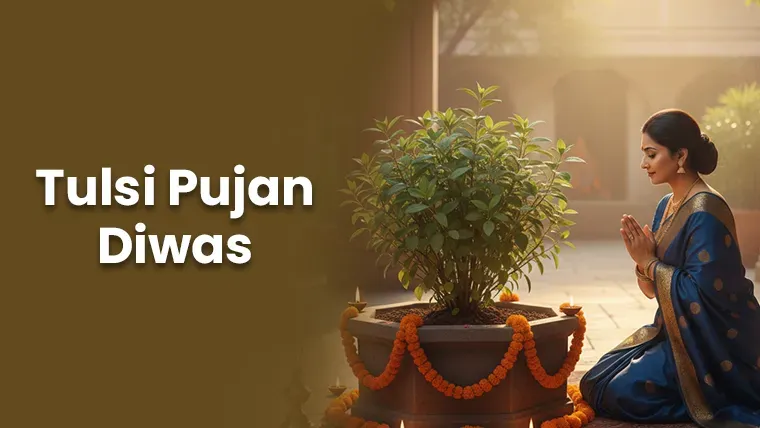
Tulsi Pujan Diwas is a special day dedicated to worshiping the Tulsi plant, also known as holy basil. This festival celebrates one of the most sacred plants in Hindu culture. Every year, millions of people across India and the world come together to honor Tulsi Mata and recognize the spiritual and medicinal importance of this divine plant.
Date & Time

When is Tulsi Pujan Diwas?
According to the Hindu calendar, the festival aligns with the Dashami Tithi of Krishna Paksha in the month of Paush.
In 2025, this tithi begins on the evening of 21 December and continues until the evening of 25 December, making the entire period spiritually significant for Tulsi worship.
So, while the tithi spans two days, Tulsi Pujan Diwas is officially celebrated on 21 December 2025.
Why is Tulsi Pujan Diwas Celebrated?
The celebration of Tulsi Pujan Diwas serves three important purposes.
1. Spiritual and Religious Significance
Tulsi Pujan Diwas reminds us of the spiritual benefits that come from connecting with nature. Worshiping Tulsi is related to purity and a commitment to living a righteous life.
The plant symbolizes the divine feminine energy and the nurturing aspect of creation. By honoring Tulsi, devotees express their gratitude for the blessings of nature and their commitment to protecting the environment.
2. Health and Medicinal Benefits
Beyond its religious importance, Tulsi has remarkable medicinal properties that have been recognized in Ayurveda for thousands of years. The plant is often called the "Queen of Herbs" because of its numerous health benefits.
Tulsi leaves are commonly used to treat colds, coughs, and fevers. The plant has natural antibacterial, antiviral, and antifungal properties that make it a powerful medicine. Regular consumption of Tulsi tea or chewing fresh Tulsi leaves can improve overall health and vitality.
The plant also acts as a natural antidepressant. It helps reduce anxiety and stress, promoting mental peace and emotional balance.
In today's fast-paced world, where mental health issues are becoming increasingly common, the calming properties of Tulsi are more relevant than ever.
3. Environmental Awareness
Tulsi Pujan Diwas also serves as a reminder of the importance of environmental conservation. The festival encourages people to plant more Tulsi plants and take care of them.
This simple act contributes to creating a greener environment. Tulsi plants help purify the air by releasing oxygen and absorbing harmful pollutants.
They also have natural insect repellent properties that keep mosquitoes and other pests away.
By celebrating this festival, people are encouraged to develop a closer relationship with plants and nature.
Who Started Tulsi Pujan Diwas?
The modern observance of Tulsi Pujan Diwas on December 21 is a relatively recent development. The celebration was initiated by spiritual leaders around 2014, and the idea was to create a festival that would remind people of their cultural heritage and the importance of traditional values.
The date of December 21 was specifically chosen for this celebration. While Christmas is celebrated on this day by Christians around the world, the founders of Tulsi Pujan Diwas wanted to offer an alternative celebration rooted in Hindu culture.
Various Hindu organizations and spiritual groups quickly embraced this festival. The Shri Yog Vedant Seva Samiti, Vishva Hindu Parishad, and Bajrang Dal are among the organizations that actively promote and organize Tulsi Pujan Diwas celebrations every year.
The timing of the festival during late December is also significant from a traditional Hindu calendar perspective. This period falls during Dhanurmasa, which is considered a highly auspicious time in the Hindu calendar.
It is believed that any spiritual practices performed during this month bring special benefits and help in personal growth.
If you want to learn more about the auspicious timings for performing Tulsi Puja or understand how this sacred practice can enhance your spiritual journey, talk to an astrologer on Astroyogi today.
Celebrate Tulsi Pujan and Embrace Tradition in Modern Times
Tulsi Pujan Diwas represents a beautiful example of how ancient traditions can remain relevant in modern times. The festival addresses contemporary concerns about health, environment, and mental well-being while being firmly rooted in traditional spiritual practices.
In our fast-paced modern lives, we often forget to pause and appreciate the simple gifts of nature. We chase after material success and technological progress, sometimes at the cost of our health and happiness.
Tulsi Pujan Diwas offers a reminder to slow down, connect with nature, and learn the wisdom of our ancestors.
Festival List
- Nag Panchami
- Raksha Bandhan
- Janmashtami
- Ganesh Chaturthi
- Onam
- Pitru Paksha
- Shardiya Navratri
- Durga Puja
- Dussehra
- Karwa Chauth
- Dhanteras
- Diwali
- Govardhan Puja
- Bhai Dooj
- Chhath Puja
- Tulsi Vivah
- Guru Nanak Jayanti
- Christmas
- New year
- Lohri
- Pongal
- Makar Sankranti
- Vasant Panchami
- Shivratri
- Ramadan
- Holi
- Good Friday
- Navratri
- Gudi Padwa
- Ugadi
- Vaisakhi
- Ram Navami
- Mahavir Jayanti
- Hanuman Jayanati
- Buddha Purnima
- Akshay Tritiya
- Shani Jayanti
- Guru Purnima
- Hariyali Teej