


Tuesday, September 22, 2026 Paksha:Shukla Tithi:Ekadashi

Wednesday, September 23, 2026 Paksha:Shukla Tithi:Dvadashi
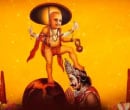
Wednesday, September 23, 2026 Paksha:Shukla Tithi:Dvadashi

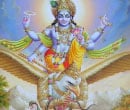
Friday, September 25, 2026 Paksha:Shukla Tithi:Chaturdashi
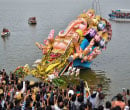
Friday, September 25, 2026 Paksha:Shukla Tithi:Chaturdashi
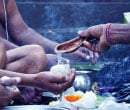
Saturday, September 26, 2026 Paksha:Shukla Tithi:Purnima
Sunday, September 27, 2026 Paksha:Krishna Tithi:Prathama

Monday, September 28, 2026 Paksha:Krishna Tithi:Dvitiiya
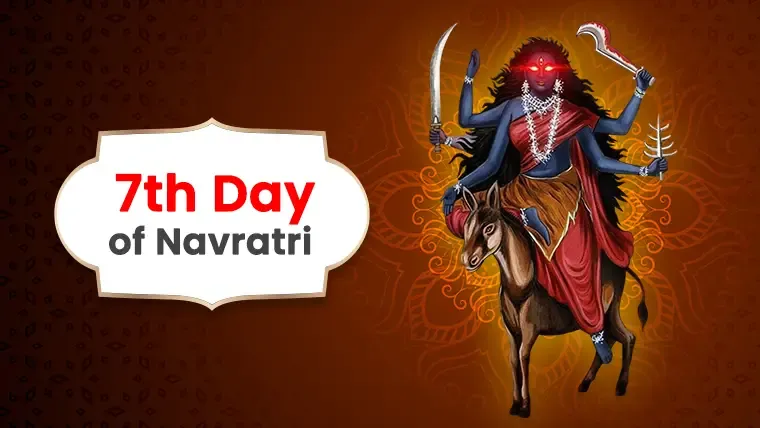
The 7th day of Navratri is dedicated to Maa Kalaratri, who is the fierce and powerful form of Goddess Durga. So, on the seventh day of Navratri, devotees worship her to gain courage, protection, and spiritual strength.
Following all kinds of rituals, fasting, and associating with the colors of this day, helps devotees overcome obstacles and move closer to divine blessings.
Navratri Day 7 Overview
Here is a quick overview of the key details for the 7th day of Navratri.
| Aspect | Details |
|---|---|
| Chaitra Navratri 7th Day 2026 Date | 25 March 2026 (Wednesday) |
| Tithi | Saptami |
| Navratri Day | Navratri Day 7 |
| Goddess Worshipped | Maa Kalaratri |
| Navratri Seventh Day Color | Orange |
| Key Ritual | Worship of Maa Kalaratri |
| Planet Associated | Saturn |
Significance of the 7th Day of Navratri
The 7th day of Navratri represents the destruction of darkness, ignorance, and fear. Despite Maa Kalaratri's powerful and fierce form, she is also known as the protector of her devotees. According to Hindu scriptures, Maa Kalaratri removes all negative energies, evil forces, and obstacles from the life of her devotees.
Key spiritual meanings associated with Navratri day 7 include:
Removing fear and negativity
Gaining courage and confidence
Protection from evil energies
Overcoming difficulties and obstacles
Strengthening faith in divine power
Navratri Day 7 Goddess: Maa Kalaratri
As mentioned earlier, the day 7 Navratri goddess is Maa Kalaratri, as she is the seventh form of Goddess Durga among the Navadurga. Her name comes from “Kala,” meaning time or death, and "Ratri," meaning night, symbolizing the destroyer of darkness.
She is known as the goddess who destroys evil, removes obstacles, and protects her devotees from harm. Worshipping Maa Kalaratri on the seventh day of Navratri is believed to remove planetary problems, especially those related to Shani (Saturn). Read more about Maa Kalaratri here.
Puja Essentials (Samagri) for Navratri 7th Day
On the 7th day of Navratri, the same Kalash established on day 1 is worshipped along with Maa Kalaratri.
Idol or picture of Maa Durga / Maa Kalaratri
Kalash from day 1 (with water, coconut, mango leaves, etc.)
Blue cloth or chunari for the altar or goddess
Pooja thali with roli, kumkum, haldi, chandan, akshat, and sindoor
Flowers and garlands, especially red or blue flowers
Ghee diya, incense sticks, dhoop, and camphor
Fruits, sweets, milk, and sattvik prasad
Bell (ghanti), shankh, and japa mala
Puja Rituals for Day 7 of Navratri
The puja on the seventh day of Navratri follows the same basic structure, but the focus is on Maa Kalaratri.
Morning Rituals for Day 7 of Navratri
Wake up early, bathe, and wear clean clothes, preferably blue.
Clean the puja place and decorate the altar.
Light a ghee diya near the Kalash and the idol.
Offer kumkum, rice, flowers, and prasad to the goddess.
How to Worship Maa Kalaratri
Offer blue or red flowers to Maa Kalaratri.
Offer fruits, sweets, and sattvik bhog.
Chant the Maa Kalaratri Mantra with devotion.
Perform Maa Kalaratri Aarti in the morning and evening.
Sing Durga aarti and Navdurga bhajans.
Listen to the story of Maa Kalaratri as it is considered auspicious.
Navratri Day 7 Mantra
Mantra that devotees chant on the 7th day of Navratri is
|| Om Devi Kalaratryai Namah ||
Regular chanting of this mantra is believed to give courage, protection, and spiritual strength.
Color of the 7th Day of Navratri: Orange
The Navratri 7th day color is orange, which symbolizes energy, courage, and positivity. This color represents enthusiasm, strength, and spiritual power, which align with the fearless and protective nature of Maa Kalaratri.
On the seventh day of Navratri, devotees wear orange clothes, decorate the puja altar with orange cloth, and offer bright-colored flowers to the Goddess. Using this color on Navratri day 7 is considered auspicious and is believed to attract strength, protection, and divine blessings.
Auspicious Offerings, Flowers, and Bhog on Day 7 of Navratri
Offerings on the seventh day are made to honor the powerful form of the Goddess. Some of the most common offerings include:
Flowers: Red roses, hibiscus, marigold, and blue flowers
Bhog: Jaggery, sweets, fruits, halwa, and milk-based prasad
Special offering: Jaggery is considered very auspicious for Maa Kalaratri
Also Check: Maa Kalaratri Aarti Lyrics: “Kalaratri Jai Jai Mahakali”
Fasting (Vrat) Rules for the 7th Day of Navratri
Fasting on Navratri day 7 helps purify the mind and body and removes fear. However, there are some rules you need to follow each day. Common rules include:
Avoid grains, onion, garlic, and non-vegetarian food
Eat fruits, milk, sabudana, vrat flour, and sattvik food
You can read about more rules related to the 7th day of Navratri here.
Dos and Don’ts for Navratri Day 7
Dos
Start the day with prayer and clean surroundings
Wear blue clothes or use blue decorations
Chant Maa Kalaratri mantra sincerely
Maintain sattvik food habits
Attend evening aarti and bhajans
Don’ts
Avoid anger and negative thoughts
Do not break vrat rules carelessly
Avoid alcohol and non-vegetarian food
Do not move the Kalash placed on day 1
Avoid arguments and stressful activities
Understanding the Navratri 7th day color, rituals, and spiritual meaning helps devotees celebrate this day with devotion and faith, continuing the sacred journey of the nine divine nights.
Want to perform the 7th day of Navratri rituals the right way? Talk to an astrologer on Astroyogi now and get personalized guidance for puja, mantra, and vrat.
Festival List
- Nag Panchami
- Raksha Bandhan
- Janmashtami
- Ganesh Chaturthi
- Onam
- Pitru Paksha
- Shardiya Navratri
- Durga Puja
- Dussehra
- Karwa Chauth
- Dhanteras
- Diwali
- Govardhan Puja
- Bhai Dooj
- Chhath Puja
- Tulsi Vivah
- Guru Nanak Jayanti
- Christmas
- New year
- Lohri
- Pongal
- Makar Sankranti
- Vasant Panchami
- Shivratri
- Ramadan
- Holi
- Good Friday
- Navratri
- Gudi Padwa
- Ugadi
- Vaisakhi
- Ram Navami
- Mahavir Jayanti
- Hanuman Jayanati
- Buddha Purnima
- Akshay Tritiya
- Shani Jayanti
- Guru Purnima
- Hariyali Teej