


Tuesday, September 15, 2026 Paksha:Shukla Tithi:Panchami
Wednesday, September 16, 2026 Paksha:Shukla Tithi:Shashthi
Thursday, September 17, 2026 Paksha:Shukla Tithi:Saptami

Thursday, September 17, 2026 Paksha:Shukla Tithi:Saptami
Thursday, September 17, 2026 Paksha:Shukla Tithi:Saptami
Friday, September 18, 2026 Paksha:Shukla Tithi:Saptami
Friday, September 18, 2026 Paksha:Shukla Tithi:Saptami
Saturday, September 19, 2026 Paksha:Shukla Tithi:Ashtami
Saturday, September 19, 2026 Paksha:Shukla Tithi:Ashtami
Saturday, September 19, 2026 Paksha:Shukla Tithi:Ashtami
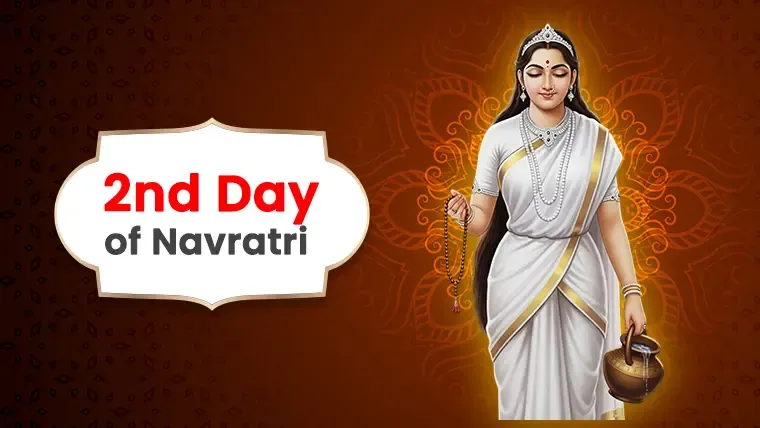
The 2nd day of Navratri (Navratri day 2 / Navaratri day 2) continues the sacred journey of nine nights devoted to Goddess Durga and her nine divine forms. On this second day of Navratri, devotees worship Maa Brahmacharini, who represents penance, devotion, and inner strength. The rituals, vrat, and color of the day are all meant to deepen discipline and spiritual focus.
Navratri Day 2 Overview
The day 2 Navratri rituals and practices revolve around the worship of Maa Brahmacharini.
| Aspect | Details |
|---|---|
| Chaitra Navratri 2nd Day 2026 Date | 20 March 2026 (Friday) |
| Tithi | Dwitiya (second lunar day as per Hindu Panchang) |
| Navratri Day | Navratri Day 2 |
| Goddess Worshipped | Maa Brahmacharini |
| Navratri Second Day Color | Red |
| Key Ritual | Worship of Maa Brahmacharini |
| Planet Associated | Mars |
What’s the Significance of the 2nd Day of Navratri?
The day 2 Navratri celebrations focus on honoring Maa Brahmacharini, who symbolizes devotion and self-discipline. Her story reflects the importance of patience and perseverance in spiritual life.
According to Hindu scriptures, Maa Brahmacharini performed intense penance to obtain Lord Shiva as her husband. Her deep devotion and unwavering determination represent the strength of faith and spiritual commitment.
Key spiritual meanings associated with Navratri 2nd day include:
Strengthening determination and willpower
Practicing patience and self-discipline
Deepening devotion and faith in the Divine
Cultivating a calm, focused mind
Preparing oneself for intense spiritual growth over the remaining days
Navratri Day 2 Goddess: Maa Brahmacharini
The day 2 Navratri goddess is Maa Brahmacharini, the second form of Goddess Durga among the Navadurga. The name “Brahmacharini” comes from “Brahma” (ultimate reality, knowledge) and “acharini” (one who practices), meaning “she who follows the path of spiritual austerity and devotion.”
She is regarded as the form of Goddess Parvati who undertook severe penance (tapasya) to obtain Lord Shiva as her consort. Maa Brahmacharini represents unwavering discipline, strong resolve, and the power of inner tapa (austerity).
Worshipping her on the 2nd day of Navratri is believed to bless devotees with patience, mental strength, and the ability to stay committed to their goals, both spiritual and worldly.
Puja Essentials (Samagri) for Navratri 2nd Day
While Ghatasthapana is done on day 1, the same Kalash is worshipped on Navratri Day 2 along with Maa Brahmacharini. Here’s a concise samagri list for day 2 of Navratri:
Idol or picture of Maa Durga/Maa Brahmacharini
Existing Kalash from day 1 (with water, coconut, mango leaves, etc.)
Red cloth or chunari to adorn the Devi or altar
Pooja thali with roli, kumkum, haldi (turmeric), chandan (sandalwood paste), akshat (whole rice grains), and sindoor
Flowers and garlands, particularly red flowers like hibiscus or red roses, along with marigolds and jasmine
Sattvik prasad, including fruits, milk-based sweets, panchamrit, and vrat-friendly offerings
Ghanti (bell), shankh (conch), and japa mala (rudraksha or tulsi) for mantra chanting
Puja Rituals for Day 2 of Navratri
The basic structure of puja on the second day of Navratri is similar to day 1, but the focus shifts to Maa Brahmacharini.
Morning Rituals:
Wake up early, bathe, and wear clean or new clothes, especially red, on the Navratri 2nd day
Clean the puja room or altar and refresh the flowers, rangoli, and décor.
Light a ghee diya in front of the Kalash and the idol or image of Maa Brahmacharini.
Offer akshat, kumkum, haldi, and flowers at the feet of the Goddess with devotion.
Worship of Maa Brahmacharini:
After preparing the altar, devotees perform the specific day 2 Navratri goddess worship:
Drape a red chunari around the idol or image of Maa Brahmacharini.
Offer red or yellow flowers, especially hibiscus, marigolds, or roses.
Place fruits, sweets, and panchamrit (a sacred mixture of five natural ingredients: milk, yogurt (curd), honey, sugar (or jaggery), and ghee) as naivedya (offering).
Chant the Navratri day 2 mantra or Brahmacharini mantra while doing japa with a mala.
Perform aarti in the morning and evening, singing bhajans dedicated to Devi and the Navadurga.
Aarti, Bhajans, and Katha:
Devotees recite Durga aarti, Navdurga stuti, and simple bhajans praising Maa Brahmacharini’s tapas and devotion.
Reading or listening to Brahmacharini’s story (her severe penance for Lord Shiva) helps devotees understand the meaning of this second day of Navratri.
Families often gather in the evening for group aarti, which strengthens collective faith and devotion.
Navratri Day 2 Mantra
Mantra chanting is an important part of the Navratri day 2 rituals. Regular chanting is believed to increase mental focus, remove confusion, and bless the devotee with inner calm and perseverance.
Devotees chant the simple invocation mantra of Maa Brahmacharini, typically starting with
|| Om Devi Brahmacharinyai Namah || (or similar forms) as the main Navratri day 2 mantra.
Color of the 2nd Day of Navratri: Red
The Navratri 2nd day color is red, and it plays a powerful, energetic role in the celebrations. Red symbolizes energy, passion, courage, and the fire of tapas (austerity).
On the 2nd day of Navratri, devotees wear red clothes, use a red chunari or cloth on the altar, and include red decor in the puja area. Offering red flowers or red-toned prasad is also considered auspicious, aligning the environment with the fiery resolve of Maa Brahmacharini.
Auspicious Offerings, Flowers, and Bhog on Day 2 of Navratri
Offerings on the second day of Navratri are chosen to honor the austere yet compassionate nature of Maa Brahmacharini.
Flowers: Red roses, hibiscus, marigolds, lotus, and jasmine are commonly used.
Bhog: Simple sattvik dishes like sugar-free or sweet kheer, jaggery-based sweets, fruits, and milk preparations are preferred.
Special offerings: Some traditions offer sugar and rock sugar (mishri) to Maa Brahmacharini, believing it brings longevity and fulfillment.
Fasting (Vrat) Rules for the 2nd Day of Navratri
Fasting during Navratri day 2 is believed to purify the mind and body. The focus of Navratri day 2 vrat is to support inner tapas, so devotees are encouraged to eat light, stay hydrated, and spend more time in prayer, silence, and reflection.
Common Vrat Patterns:
Continuous Navratri fast: Devotees who began vrat on day 1 continue their fast on Navratri day 2, often maintaining it through all nine days.
Alternate or selective fast: Some people may fast on alternate days or choose specific days like the 2nd, 5th, and 8th day based on personal capacity and tradition.
Partial fast: Some observe a fast only on the 1st day of Navratri and then again on the 8th day of Navratri or the 9th day of Navratri.
Basic Navratri Fasting Rules on Day 2
Fasting during Navratri day 2 is believed to purify the mind and body. The focus of Navratri day 2 vrat is to support inner tapas, so devotees are encouraged to eat light, stay hydrated, and spend more time in prayer, silence, and reflection.
The common rules for Navratri day 2 include avoiding food items like regular grains, pulses, onion, etc. And, it is advisable to eat satvik food items like fruits, milk, Sabudana (sago), and other items. You can read the full list of Navratri fasting rules here.
Do’s and Don’ts for Navratri Day 2
There are a few things to consider when observing the 2nd day of Navratri.
Do’s:
Start the second day of Navratri with cleanliness, a calm mind, and red-colored clothes or accessories.
Meditate on Maa Brahmacharini’s tapas and promise to practice more self-control and patience in daily life.
Chant Navratri day 2 mantra with sincerity and, if possible, perform japa with a mala.
Maintain a sattvik diet throughout the day, even if not doing a full fast.
Participate in evening aarti, bhajans, and listen to Brahmacharini’s katha with family.
Don’ts:
Avoid anger, harsh speech, and unnecessary arguments; this day is about inner peace and discipline.
Do not break the vrat rules casually; eat mindfully and avoid overeating vrat foods as well.
Refrain from laziness or carelessness in puja; Maa Brahmacharini represents hard tapas and effort.
Avoid negative company, gossip, and activities that disturb mental focus.
Do not consume alcohol or non-vegetarian food
Do not disturb or move the Kalash set up on day 1
The 2nd day of Navratri is dedicated to Maa Brahmacharini, the goddess of devotion, penance, and spiritual discipline. Through prayer, fasting, and chanting the Navratri day 2 mantra, devotees seek her blessings for strength, wisdom, and determination.
Understanding the Navratri 2nd day color, rituals, and spiritual meaning helps devotees celebrate Navratri day 2 with deeper faith and devotion, continuing the sacred journey of the nine divine nights.
Festival List
- Nag Panchami
- Raksha Bandhan
- Janmashtami
- Ganesh Chaturthi
- Onam
- Pitru Paksha
- Shardiya Navratri
- Durga Puja
- Dussehra
- Karwa Chauth
- Dhanteras
- Diwali
- Govardhan Puja
- Bhai Dooj
- Chhath Puja
- Tulsi Vivah
- Guru Nanak Jayanti
- Christmas
- New year
- Lohri
- Pongal
- Makar Sankranti
- Vasant Panchami
- Shivratri
- Ramadan
- Holi
- Good Friday
- Navratri
- Gudi Padwa
- Ugadi
- Vaisakhi
- Ram Navami
- Mahavir Jayanti
- Hanuman Jayanati
- Buddha Purnima
- Akshay Tritiya
- Shani Jayanti
- Guru Purnima
- Hariyali Teej