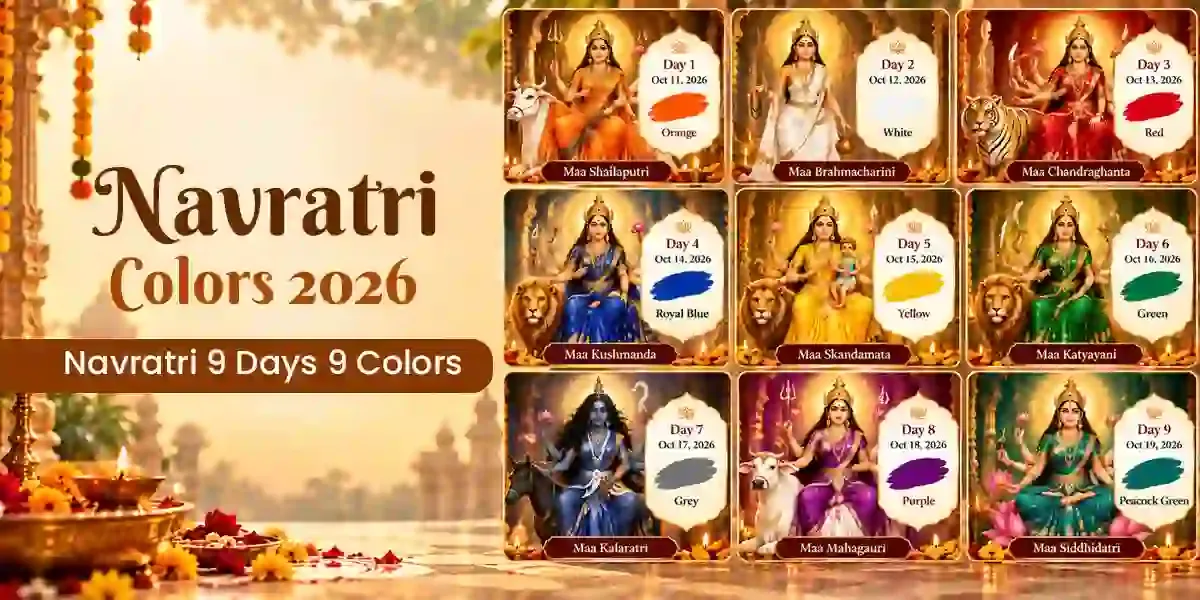



Sunday, October 11, 2026 Paksha:Shukla Tithi:Prathama

Monday, October 12, 2026 Paksha:Shukla Tithi:Dvitiiya
Wednesday, October 14, 2026 Paksha:Shukla Tithi:Chaturthi
Thursday, October 15, 2026 Paksha:Shukla Tithi:Panchami

Friday, October 16, 2026 Paksha:Shukla Tithi:Shashthi
Friday, October 16, 2026 Paksha:Shukla Tithi:Shashthi

Friday, October 16, 2026 Paksha:Shukla Tithi:Shashthi
Friday, October 16, 2026 Paksha:Shukla Tithi:Shashthi
Friday, October 16, 2026 Paksha:Shukla Tithi:Shashthi
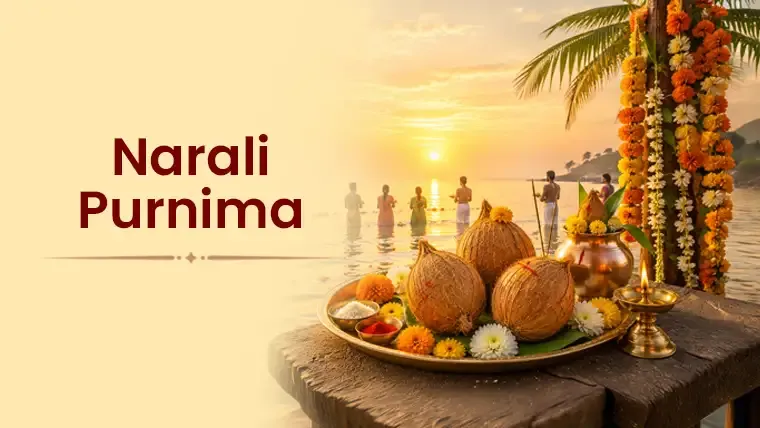
Narali Purnima, also known as the Coconut Full Moon, is celebrated on Shravana Purnima and holds special importance for the Koli fishing communities of Maharashtra's Konkan coast and Mumbai. In 2026, the festival falls on Friday, August 28.
Date & Time
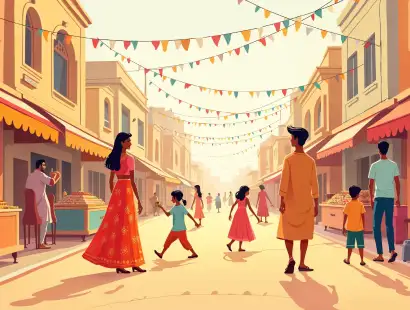
On this day, coconuts are offered to the sea in worship of Lord Varuna, the god of waters, marking the start of a new fishing season along the western coast.
Narali Purnima 2026: Date and Timings for Delhi as per Panchang
Here are the key Narali Purnima date and timing details based on the Hindu Panchang.
| 🌴 Detail | 🕐 Delhi Timing (IST) |
|---|---|
| 📅 Narali Purnima Date | August 28, 2026, Friday |
| 🌕 Purnima Tithi Begins | August 27, around 9:08–9:18 AM |
| 🌕 Purnima Tithi Ends | August 28, around 9:48–9:58 AM |
| 🌙 Paksha | Shukla Paksha |
| 🗓️ Lunar Month | Shravana |
| 🙏 Presiding Deity | Lord Varuna |
Note: Narali Purnima timings may vary slightly depending on location. Checking a local panchang is recommended for the most accurate observance. There is no separate or narrow puja muhurat prescribed for this festival, since the entire day of August 28 is considered auspicious for the rituals.
👉 View the complete upcoming Purnima calendar with dates and timings.
How Narali Purnima is Observed Across Communities
Narali Purnima is celebrated most prominently by the Koli fishing communities along Maharashtra's coastline, but its themes of gratitude and renewal extend to the broader Konkan region as well.
Among the Koli Fishing Communities
For the Koli community, Narali Purnima is a livelihood festival as much as a spiritual one. It signals the official end of the monsoon ban on deep-sea fishing and the start of preparations for a new season at sea.
Moreover, boats that have been docked through the rains are cleaned, repaired, and decorated ahead of the day's celebrations, and the coconut offering is treated as the first formal act of the season.
Alongside Shravana Purnima
Since Narali Purnima falls on the same day as Shravana Purnima, some communities also observe related customs tied to the wider Shravan calendar. In certain regions, Brahmin families mark the day with Shravani Upakarma, the renewal of the sacred thread, while others keep a simple grain-free fast in keeping with broader Purnima traditions.
Curious about the deeper spiritual energy of Shravana Purnima and how it affects your life path? Connect with verified astrologers on Astroyogi for expert guidance on festival customs and personal astrological remedies.
Narali Purnima Puja Vidhi: How to Observe the Day
Performing the puja with devotion makes the festival lucky for the coming season.
Get up early in the morning and then take a bath, ideally in a holy river or in the sea, before wearing clean or traditional clothes. The early-morning activity is reflected in other similar activities on Purnima days.
Do the samagri for the puja ceremony. Some items that you will find in the samagri are water, vermilion, rice, flowers, incense, a lamp, coconuts, and sweets. Coconut-based sweets like narial laddoos are also included in the samagri.
Decorate the boats. They should be washed and decorated with flowers, colorful fabrics, buntings, and rangoli as if they were idols.
Go on a procession to the seashore. Go in a group procession to the shore of the sea with the coconuts and sing traditional Koli folk songs on the way.
Conduct the puja ceremony at the seashore for Lord Varuna. Conduct the ceremony at the seashore with lamps, incense, vermilion, and flowers.
Offer the coconut to the sea. This Narali Arpan is the central ritual of the day. Garlanded coconuts are lifted and cast into the water as the first offering of the new fishing season.
Share prasad and celebrate as a community. Coconut sweets are distributed among family and neighbors, and celebrations often continue with Koli dance and drumming through the day.
Those unable to reach the coast can perform a smaller puja at home by placing a coconut on the altar and offering prayers for the safety of boats, nets, and sailors.
Narali Purnima Mantras and Prayers
Specific mantras for Narali Purnima vary by family and region, so there is no single fixed prayer recited everywhere. The shared focus across these prayers is an invocation of Lord Varuna for protection and blessing.
Typical prayer themes include the following:
Safety at sea for boats, nets, and sailors
Calm and peaceful waters through the fishing season
A prosperous and abundant catch
A devotional line often used in essence during the shoreline puja is "O Varuna, guardian of the oceans, accept this coconut offering and grant safe passage, calm tides, and a prosperous fishing season." Exact wording can follow individual family or village tradition.
Narali Purnima Significance
The importance of Narali Purnima extends beyond the coconut offering itself. It reflects a broader relationship between coastal communities and the sea that sustains them.
1. Gratitude to the Sea
The festival encourages devotees to acknowledge the sea's role in sustaining livelihoods and to give thanks for safe passage through the monsoon months.
2. Marking a Seasonal Transition
Narali Purnima signals the end of rough monsoon seas and the formal start of the new fishing season, tying the ritual calendar directly to practical, seasonal life.
3. Symbolism of Surrender
Offering a coconut, with its hard shell broken open, represents the surrender of ego and a willingness to give back to the sea before taking from it.
4. Strengthening Community Bonds
Shared processions, songs, and sweets bring neighbors and families together, reinforcing ties that extend well beyond the day itself.
5. Connection to the Wider Shravan Calendar
Falling on Shravana Purnima links the festival to related observances such as Shravani Upakarma and Jandhyala Purnima, broadening its significance for some communities beyond the coast.
Regional Names and Related Observances
Narali Purnima is known by different names depending on the region, and it overlaps with a few related observances held around the same time.
Narali Purnima / Nariyal Purnima: The coconut festival as celebrated in Maharashtra and the Konkan coast.
Shravana Purnima: The pan-India name for the full moon day in the month of Shravan.
Jandhyala Purnima / Sravana Purnima: Marked by sacred thread renewal among Brahmin families in some regions.
Avani Avittam: Observed in Tamil Nadu and Kerala during the same period, also centered on the sacred thread ceremony.
Narali Purnima Do's and Don'ts
Do:
Bathe early and wear clean or traditional attire for the puja.
Offer coconuts with devotion and share sweets with the community.
Keep the seashore clean after the celebrations conclude.
Avoid:
Disrespectful behavior at the shore during puja.
Wasting offerings or littering the coast during festivities.
Final Words
Narali Purnima 2026 offers coastal communities a chance to pause, give thanks for the season past, and prepare for the one ahead. From the coconut cast into the waves to the songs sung along the shore, the festival ties together gratitude, livelihood, and community in a single day of observance.
Festival List
- Nag Panchami
- Raksha Bandhan
- Janmashtami
- Ganesh Chaturthi
- Onam
- Pitru Paksha
- Shardiya Navratri
- Durga Puja
- Dussehra
- Karwa Chauth
- Dhanteras
- Diwali
- Govardhan Puja
- Bhai Dooj
- Chhath Puja
- Tulsi Vivah
- Guru Nanak Jayanti
- Christmas
- New year
- Lohri
- Pongal
- Makar Sankranti
- Vasant Panchami
- Shivratri
- Ramadan
- Holi
- Good Friday
- Navratri
- Gudi Padwa
- Ugadi
- Vaisakhi
- Ram Navami
- Mahavir Jayanti
- Hanuman Jayanati
- Buddha Purnima
- Akshay Tritiya
- Shani Jayanti
- Guru Purnima
- Hariyali Teej