


Saturday, November 7, 2026 Paksha:Krishna Tithi:Chaturdashi

Saturday, November 7, 2026 Paksha:Krishna Tithi:Chaturdashi

Saturday, November 7, 2026 Paksha:Krishna Tithi:Chaturdashi

Sunday, November 8, 2026 Paksha:Krishna Tithi:Amavasya


Sunday, November 8, 2026 Paksha:Krishna Tithi:Amavasya

Sunday, November 8, 2026 Paksha:Krishna Tithi:Amavasya

Sunday, November 8, 2026 Paksha:Krishna Tithi:Amavasya

Sunday, November 8, 2026 Paksha:Krishna Tithi:Amavasya

Sunday, November 8, 2026 Paksha:Krishna Tithi:Amavasya
Narak Chaturdashi, also known as Chhoti Diwali, is observed on the fourteenth day of the dark fortnight of Kartik. It is the second day of the five-day Diwali festival, which runs from Dhanteras to Bhai Dooj.
The day marks the victory of Lord Krishna over the demon king Narakasura. It stands for the triumph of light over darkness and prepares homes for the main Diwali celebration.
Narak Chaturdashi 2026: Date and Timings
In India, Narak Chaturdashi 2026 falls on Sunday, November 8. The Abhyanga Snan, the traditional oil bath, is taken before sunrise on this morning. Kali Chaudas is observed at night, on Saturday, November 7.
| Observance | Date in 2026 | Shubh Timing |
|---|---|---|
| 🪔 Chaturdashi Tithi | November 7–8 | 10:47 AM (Nov 7) – 11:27 AM (Nov 8) |
| 🌙 Kali Chaudas | Saturday, November 7 | Night |
| ✨ Narak Chaturdashi / Chhoti Diwali | Sunday, November 8 | Early Morning |
| 🛁 Abhyanga Snan | Sunday, November 8 | 5:41 AM – 6:38 AM (New Delhi) |
| 🙏 Diwali Lakshmi Puja | Sunday, November 8 | Evening |
Chaturdashi begins on the morning of November 7 and continues until late morning on November 8. Some calendars list Chhoti Diwali on November 7 because they follow the night-time Kali Chaudas rule.
The bath muhurat changes with each city's sunrise, so a local Panchang gives the exact time. In the US, UK, and Canada, Narak Chaturdashi falls on Saturday, November 7, based on local sunrise.
What Is Naraka Chaturdashi?
Chaturdashi means the fourteenth lunar day. The word "Naraka" is linked with the demon king Narakasura and, symbolically, with a state of suffering. The festival marks the end of that suffering.
Narakasura is seen as a symbol of ego, cruelty, anger, greed, and ignorance. His defeat stands for the removal of these qualities from within.
The meaning of Narak Chaturdashi therefore goes beyond the legend. It is a reminder to clear away negativity before welcoming the light and prosperity of Diwali.
Several names across India know it. Choti Diwali, or Chhoti Dipawali, means "small Diwali," since the day is less elaborate than the main Diwali night.
The Story of Narakasura
According to legend, Narakasura was a powerful asura and king of Pragjyotisha. He grew arrogant and cruel. He troubled the gods, sages, and ordinary people and held thousands of captives, including many princesses.
The legend also says he could be defeated only by a woman. Lord Krishna set out to end his rule, and Goddess Satyabhama went with him into battle.
In some traditions, Goddess Satyabhama is regarded as an incarnation of Goddess Bhudevi, the mother of Narakasura. In these tellings, the demon met his end at the hands of the same Earth that gave him birth.
Lord Krishna defeated Narakasura at dawn, and the captives were set free. People celebrated the end of oppression by lighting lamps. This is why Narak Chaturdashi is remembered as the day when darkness gave way to light.
Rituals of Narak Chaturdashi
The customs of the day follow the story. The early oil bath recalls the dawn battle and the cleansing after it. Tradition says Goddess Satyabhama bathed Lord Krishna after the victory.
Lamps recall the joy of liberation and offer protection. The same theme of light after darkness carries forward into the main Diwali celebration.
Abhyanga Snan: The Main Ritual
Abhyanga Snan is an oil bath taken before sunrise. It is the best-known ritual of Narak Chaturdashi.
The body is massaged with sesame, coconut, or another customary oil.
An herbal ubtan is applied, often made with gram flour, turmeric, or sandalwood.
A bath follows, and clean or new clothes are worn.
The bath is symbolic of washing away tiredness, laziness, fear, and negative thoughts. Mild, skin-safe ingredients are best, especially for children and older adults. A patch test is advised for anyone with sensitive skin.
The Ritual of Yama Deepam
Another tradition connects the day with Lord Yama, the god of death and moral order. A small oil lamp is lit outside the home in his name. This custom is known as Yama Deepam or Deep Daan.
The lamp is lit with prayers for the well-being of the family and protection from untimely death. It also honors departed ancestors.
Kali Chaudas and Other Regional Names
The festival has different names and customs across India. The underlying fourteenth day is the same.
| Festival Name | Region | Significance & Celebration |
|---|---|---|
| 🪔 Narak Chaturdashi | Across India | Celebrates Lord Krishna's victory over Narakasura and the triumph of good over evil. |
| ✨ Chhoti Diwali | North India | Marks the smaller Diwali celebration before the main Diwali night. |
| 🌸 Roop Chaudas | North India | Focuses on beauty, cleansing, and the traditional early morning oil bath. |
| 🖤 Kali Chaudas | Gujarat and Western India | Dedicated to the worship of Goddess Kali at night for protection from negative forces. |
| 🪔 Bhoot Chaturdashi | Bengal | Honors ancestors through prayers and the lighting of fourteen lamps. |
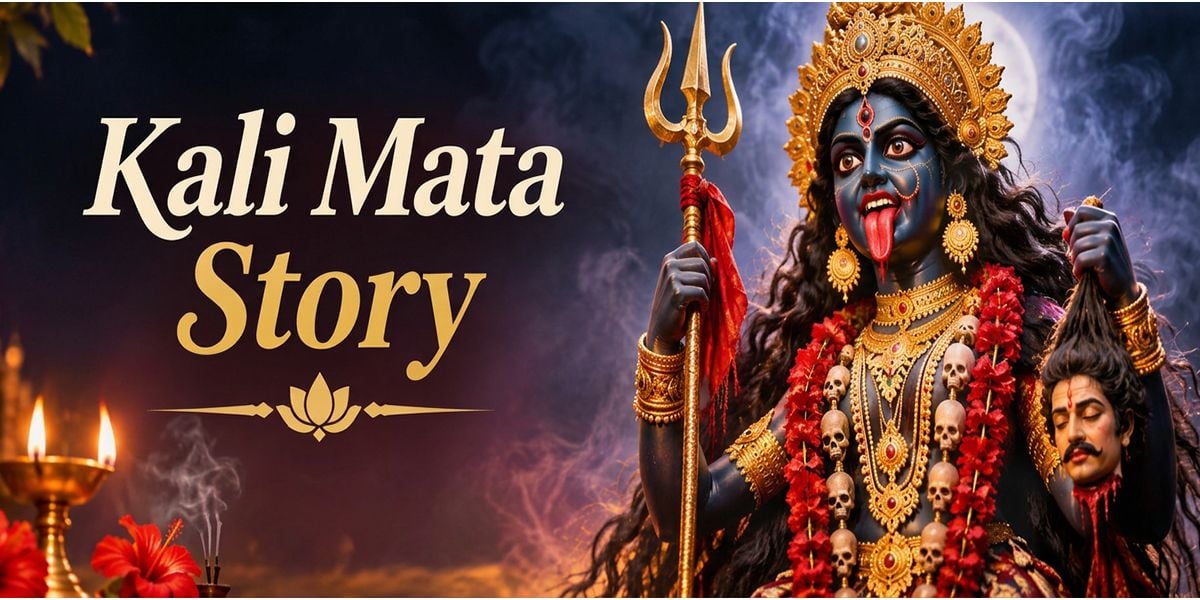
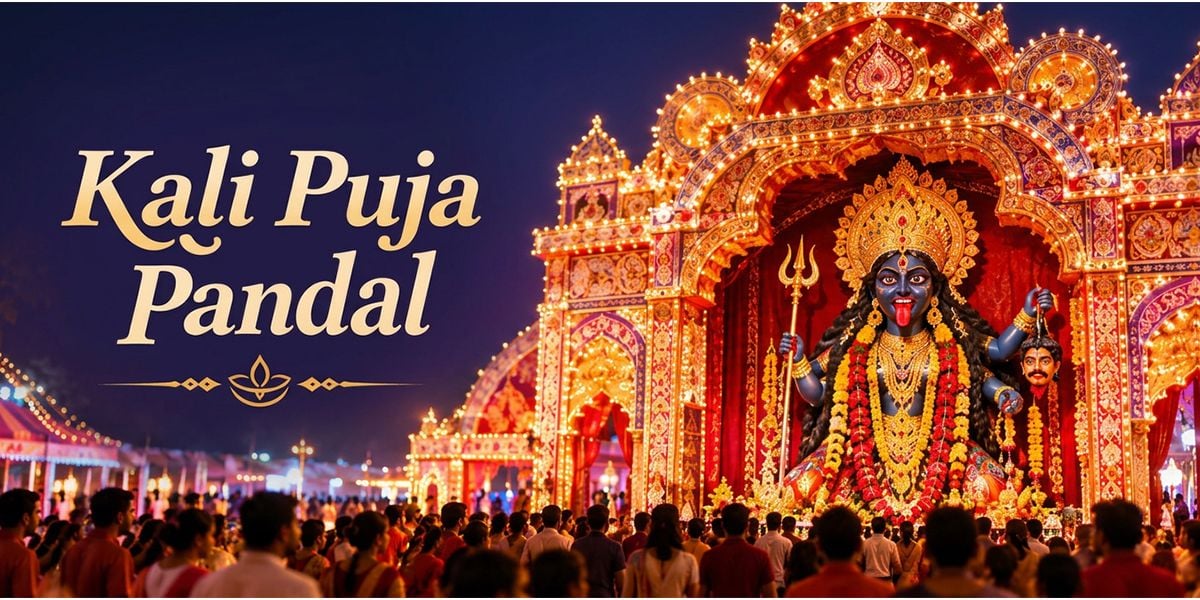
Kali Chaudas is dedicated to Goddess Kali, who is worshipped for protection from negative forces, fear, and the evil eye. Prayers are usually offered at night.
Regional Traditions
Maharashtra: Abhyang Snan is followed by a festive breakfast of sweets and savories such as chakli, karanji, and laddoos.
Bengal: Fourteen lamps are lit, ancestors are remembered, and preparations begin for Kali Puja.
Goa: Large effigies of Narakasura are made and burned to mark his defeat.
South India: The early oil bath, new clothes, and sweets are central to the day.
How Is Chhoti Diwali Celebrated?
Families usually begin the day with the early bath and prayers. Homes are cleaned and decorated. Diyas are lit at entrances, windows, and the prayer area. Rangoli is made, sweets are shared, and relatives are visited.
Prayers may be offered to Lord Krishna, Goddess Kali, Lord Hanuman, Lord Yama, or the family deity. Many people also donate food or clothing. Diyas are best kept away from curtains and other flammable items.
Mantras for Narak Chaturdashi
No single mantra is required. Devotees chant according to family tradition. Common choices include:
Lord Krishna: Om Namo Bhagavate Vasudevaya
Lord Yama: Om Yamaya Namah
Goddess Kali: Om Krim Kalikayai Namah
Lord Hanuman: Om Hanumate Namah
How Narak Chaturdashi Leads to Diwali
Narak Chaturdashi is the day of cleansing before the day of celebration. The body is purified, the home is lit with lamps, and the mind is cleared of negativity. Lakshmi Puja follows on the main Diwali evening, which falls on November 8 in 2026.
FAQs
When is Chhoti Diwali in 2026?
In India, Chhoti Diwali falls on Sunday, November 8, 2026. Some calendars list Saturday, November 7, based on the night-time Kali Chaudas rule.
When is Kali Chaudas in 2026?
Kali Chaudas falls on the night of Saturday, November 7, 2026.
Is Kali Chaudas the same as Narak Chaturdashi?
The two are closely related and fall on the same Chaturdashi. Narak Chaturdashi centers on Narakasura and the early bath. Kali Chaudas centers on Goddess Kali and night-time worship.
Why is Abhyanga Snan done before sunrise?
Tradition links the bath to the dawn defeat of Narakasura. It is also seen as a symbolic cleansing before Diwali.
Festival List
- Nag Panchami
- Raksha Bandhan
- Janmashtami
- Ganesh Chaturthi
- Onam
- Pitru Paksha
- Shardiya Navratri
- Durga Puja
- Dussehra
- Karwa Chauth
- Dhanteras
- Diwali
- Govardhan Puja
- Bhai Dooj
- Chhath Puja
- Tulsi Vivah
- Guru Nanak Jayanti
- Christmas
- New year
- Lohri
- Pongal
- Makar Sankranti
- Vasant Panchami
- Shivratri
- Ramadan
- Holi
- Good Friday
- Navratri
- Gudi Padwa
- Ugadi
- Vaisakhi
- Ram Navami
- Mahavir Jayanti
- Hanuman Jayanati
- Buddha Purnima
- Akshay Tritiya
- Shani Jayanti
- Guru Purnima
- Hariyali Teej