


Tuesday, September 15, 2026 Paksha:Shukla Tithi:Panchami
Wednesday, September 16, 2026 Paksha:Shukla Tithi:Shashthi
Thursday, September 17, 2026 Paksha:Shukla Tithi:Saptami
Thursday, September 17, 2026 Paksha:Shukla Tithi:Saptami
Thursday, September 17, 2026 Paksha:Shukla Tithi:Saptami
Friday, September 18, 2026 Paksha:Shukla Tithi:Saptami
Friday, September 18, 2026 Paksha:Shukla Tithi:Saptami
Saturday, September 19, 2026 Paksha:Shukla Tithi:Ashtami
Saturday, September 19, 2026 Paksha:Shukla Tithi:Ashtami
Saturday, September 19, 2026 Paksha:Shukla Tithi:Ashtami
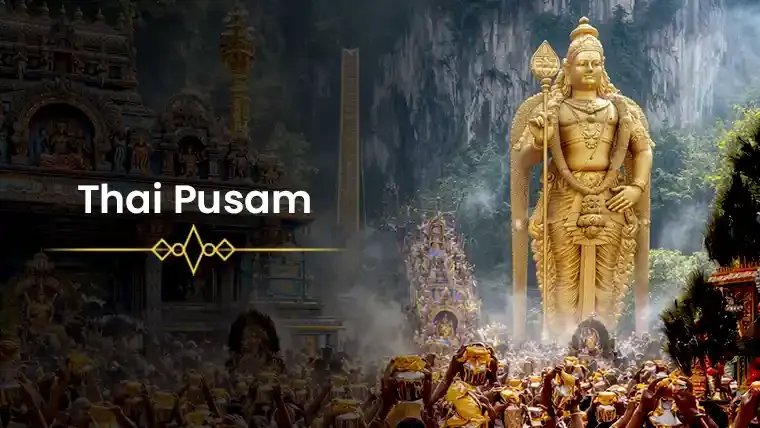
Thaipusam is a spectacular Hindu festival celebrated to honor Lord Murugan (the son of Lord Shiva). It is most famous among Tamil communities in places like India, Malaysia, Singapore, and Sri Lanka.
Date & Time
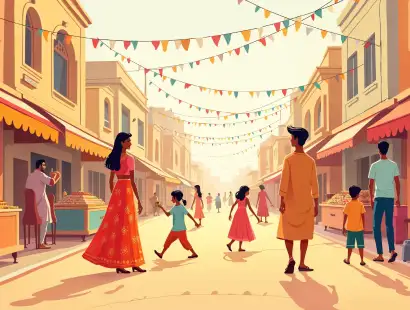
What makes thaipusam festival special is its intensity. The devotees want to show their complete dedication to Lord Murugan, ask for forgiveness, or express gratitude for a wish that came true. To prove their devotion, they push their bodies to the limit.
The sight of these devotees carrying heavy kavadis, some with their bodies pierced with hooks and skewers while in a trance-like state, makes Thaipusam one of the most unique religious festivals in the world.
Thaipusam 2026 Date and Time
Thaipusam 2026 will be celebrated on February 1, 2026.
The exact timings:
Tithi Begins: 01:34 AM on Feb 01, 2026
Tithi Ends: 11:58 PM on Feb 01, 2026
Significance of Thaipusam: Why is Thaipusam Celebrated?
Understanding the significance of Thaipusam helps explain why this festival is celebrated with such intensity.
Victory Over Evil: The main reason we celebrate Thaipusam is to honor Lord Murugan's victory over the demon Soorapadman. This demon had been terrorizing the gods and the world until Murugan, armed with the divine vel (spear) given by his mother, Parvati, defeated him. The festival celebrates good triumphing over evil.
Receiving the Divine Weapon: On this day, Goddess Parvati gave Murugan the vel, which is a powerful weapon that represents divine knowledge and wisdom.
Receiving this weapon marked Murugan's readiness to fulfill his purpose. Devotees celebrate this moment when divine power was passed to the warrior god.
Fulfilling Vows: Many devotees carry kavadis or perform rituals as a way to fulfill vows (offerings) they made to Murugan.
Maybe they prayed for healing, success, or help during difficult times, and when their prayers were answered, they promised to honor him at Thaipusam. This is why you see such extreme acts of devotion: people keeping their promises to the god.
Seeking Blessings: Others participate to ask for Murugan's blessings for health, prosperity, wisdom, and courage, or to overcome obstacles. Murugan is especially worshiped by those seeking success in endeavors that require courage and determination.
Spiritual Purification: The physical hardships endured by fasting, carrying heavy burdens, and body piercing are seen as ways to purify the soul, burn away karma, and achieve spiritual growth. Pain becomes a path to enlightenment.
Demonstrating Faith: Why celebrate Thaipusam with such intensity? Because devotees believe that the more you sacrifice and endure for your god, the deeper your spiritual connection becomes. It's about proving your devotion isn't just words, but it's an action.
Why is Thaipusam Celebrated?
Here is why Thaipusam is celebrated the way it is.
Victory Over Evil: The biggest reason for the celebration is to honor Lord Murugan’s victory over a demon named Soorapadman. This demon terrorized the world until Murugan defeated it with a divine spear. It is a celebration of good winning over bad.
The Divine Spear (The Vel): On this day, Goddess Parvati gave her son, Murugan, the Vel. This spear is not just a weapon; it represents wisdom and divine knowledge. The festival marks the moment Murugan received this power to fulfill his destiny as a warrior god.
Keeping Promises: This is why you see people carrying heavy decorations (kavadis).
The Promise: When people are in trouble (like being sick), they pray to Lord Murugan. They promise, "If you help me, I will do something for you at Thaipusam."
The Thank You: If their prayer is answered, they perform these hard tasks to keep their promise and express gratitude.
Asking for Bravery: Lord Murugan is a warrior. People pray to him when they need courage and strength to face their own problems.
Cleaning the Soul: Devotees believe that doing hard things, like fasting (not eating) or piercing their skin, helps clean their spirit. It washes away their past mistakes and bad luck.
Showing True Faith: Why is it so intense? Devotees believe that faith isn't just about words. By going through physical pain, they prove that their love for God is real and strong.
How is Thaipusam celebrated?
The celebration looks a little different depending on which country you are in, but the journey generally follows this timeline:
- The Preparation Phase: This isn't something you just show up for. Weeks before the festival (usually 48 days), the devotees start a strict spiritual detox.
What they do: They switch to a vegetarian diet, stop smoking or drinking alcohol, and avoid worldly luxuries.
Why they do it: Think of it like an athlete training for a marathon, but for the soul. They are physically and mentally purifying themselves so they are strong enough to carry the heavy burdens and endure the pain later on.
The Big Day Begins: On the day of Thaipusam, everything starts long before the sun comes up. Devotees wake up, bathe (often in a cold river or designated tank to "shock" the senses awake), and put on yellow or orange clothes, because these colors represent renunciation (giving up material things). This is the most intense part. Before piercing their skin or lifting the heavy kavadis, many devotees enter a trance state. This is often done with the help of chanting, smelling incense, and rhythmic drumming. It helps them disconnect from pain and focus entirely on God.
The Long Walk: Once the sun is up, the massive parade begins. Devotees begin walking from a starting point to the main Lord Murugan temple. You will see family and friends surrounding each devotee. They act like a crewcheering them on, singing songs, playing drums, and making sure the devotee stays safe and focused while in their trance.
Arrival at the Temple: The finish line is usually the Temple. In many places, this involves climbing a steep flight of stairs while carrying the heavy load. Once they reach the shrine, priests help remove the hooks and skewers. Surprisingly, there is usually very little blood, and the wounds are treated with sacred ash (called Vibhuthi), which acts as an antiseptic.
Breaking the Fast: After the heavy lifting is done, the devotees can finally relax. They are given "Prasad", which is simply food that has been blessed by the temple. This is usually a sweet vegetarian meal that signals the end of their fasting period.
The Community Party: Even though the rituals are intense, everyone are actually very happy and celebratory. After the religious part is over, families gather for big meals, music, and socializing. It feels like a massive street fair or carnival.
Thaipusam is a powerful time for overcoming obstacles. Just as devotees seek divine blessings for success, you too can find clarity for your life's challenges. Talk to an astrologer on Astroyogi today.
Thaipusam: Modern Relevance
The festival demonstrates the human capacity for mind over matter. Medical professionals have studied Thaipusam devotees and found that many truly don't experience pain during the rituals and heal remarkably fast. Where there’s faith, trance, or something else, it shows the power of belief.
Devotion isn't always about feeling good. Sometimes it's about enduring difficulty, pushing your limits, and proving your commitment through action, not just words.
In our modern world of comfort and convenience, Thaipusam stands out as a reminder that faith sometimes requires sacrifice.
Festival List
- Nag Panchami
- Raksha Bandhan
- Janmashtami
- Ganesh Chaturthi
- Onam
- Pitru Paksha
- Shardiya Navratri
- Durga Puja
- Dussehra
- Karwa Chauth
- Dhanteras
- Diwali
- Govardhan Puja
- Bhai Dooj
- Chhath Puja
- Tulsi Vivah
- Guru Nanak Jayanti
- Christmas
- New year
- Lohri
- Pongal
- Makar Sankranti
- Vasant Panchami
- Shivratri
- Ramadan
- Holi
- Good Friday
- Navratri
- Gudi Padwa
- Ugadi
- Vaisakhi
- Ram Navami
- Mahavir Jayanti
- Hanuman Jayanati
- Buddha Purnima
- Akshay Tritiya
- Shani Jayanti
- Guru Purnima
- Hariyali Teej