


Tuesday, October 6, 2026 Paksha:Krishna Tithi:Ekadashi
Tuesday, October 6, 2026 Paksha:Krishna Tithi:Ekadashi
Wednesday, October 7, 2026 Paksha:Krishna Tithi:Dvadashi

Wednesday, October 7, 2026 Paksha:Krishna Tithi:Dvadashi

Thursday, October 8, 2026 Paksha:Krishna Tithi:Trayodashi

Thursday, October 8, 2026 Paksha:Krishna Tithi:Trayodashi

Friday, October 9, 2026 Paksha:Krishna Tithi:Chaturdashi

Saturday, October 10, 2026 Paksha:Krishna Tithi:Amavasya

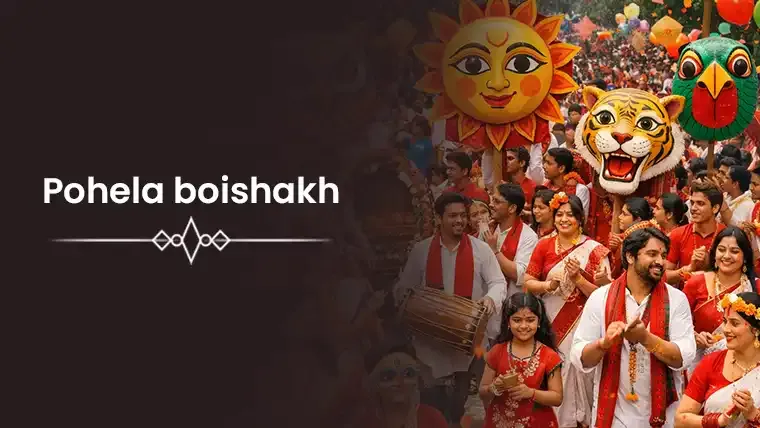
Pohela Boishakh, also known as the Bengali New Year, is a vibrant and culturally rich festival celebrated with immense joy in West Bengal, Bangladesh, and by Bengali communities across the world. Rooted in tradition yet full of modern energy, Pohela Boishakh marks a fresh beginning, symbolizing hope, prosperity, and togetherness.
Whether you’re curious about the Pohela Boishakh date, its traditions, or the delightful Pohela Boishakh food, this guide will help you understand everything you need to celebrate the festival with clarity and ease.
When is Pohela Boisakh or Bengali New Year in 2026?
The Pohela Boishakh date typically falls on April 14 or April 15 each year, depending on regional calendar adjustments.
Pohela Boisakh date and time details in 2026:
Date – 15th April 2026 (Wednesday)
Sankranti Moment on Pohela Boishakh – 09:39 AM on 14th April 2026 (Tuesday)
This day marks the first day of the Bengali calendar month “Boishakh.” It aligns closely with other regional New Year festivals in India, such as Vishu, Baisakhi, and Puthandu, all celebrating the arrival of spring and a new agricultural cycle.
What is Pohela Boishakh?
Pohela Boishakh is the Bengali New Year festival that welcomes a new beginning with positivity, cultural pride, and traditional values.
The term “Pohela” means “first,” and “Boishakh” refers to the first month of the Bengali calendar, which follows a solar calendar. Together, it signifies the first day of the year, a time to reset life, embrace optimism, and celebrate heritage.
For many people, the Bengali New Year, Pohela Boishakh, goes beyond celebration, representing a strong connection to heritage, identity, and the traditions passed through generations.
Why is Pohela Boishakh Important?
New Beginnings: It marks the start of a new financial and agricultural year
Cultural Identity: It reflects Bengali traditions, art, music, and values
Community Bonding: Families and communities come together in celebration
Spiritual Renewal: People start the year with positivity and gratitude
Historical and Cultural Significance of Pohela Boisakh
The origins of Pohela Boishakh date back to the Mughal era. It is believed that Emperor Akbar introduced the Bengali calendar to align tax collection with the harvest season. Farmers would settle accounts and begin new financial records, making it a day of fresh starts. Over time, this administrative reform evolved into a grand cultural celebration.
Today, the Bengali New Year Pohela Boishakh continues to symbolize renewal, not only in commerce but also in personal and social life. The festival is celebrated widely in West Bengal (India) and Bangladesh, transcending religious boundaries. It stands as a unifying cultural event where identity, tradition, and community take center stage.
How is Pohela Boishakh Celebrated?
The Pohela Boishakh celebration follows a series of meaningful steps, each reflecting cultural values and spiritual intent.
- Cleansing and Preparation
Days before the festival, homes are cleaned thoroughly. This represents removing negativity and stagnant energy. People decorate their homes with alpona (traditional floor art), flowers, and festive elements.
- Early Morning Rituals
The day begins at dawn. Many take a ritual bath, signifying purification of the body and mind. Wearing new clothes is an important tradition, symbolizing a fresh start.
Women wear red and white sarees
Men wear a kurta-pajama or a dhoti (especially white or red)
Devotional songs are played or performed, invoking a sense of peace and cultural pride.
- Offering Prayers and Seeking Blessings
Families visit temples or create a sacred space at home for prayers. Offerings are made to deities, and elders are greeted with respect. Seeking blessings from elders is considered essential for a prosperous year.
- Community Gatherings and Processions
One of the most vibrant aspects of the Pohela Boishakh celebration is community participation. Cultural processions, fairs, and performances bring people together.
These gatherings symbolize unity, equality, and shared identity. People from all backgrounds participate, reflecting the inclusive nature of the festival.
- Haal Khata Ceremony
One of the unique aspects of Pohela Boishakh is the Haal Khata ceremony. Business owners open new account books. This ritual is both practical and symbolic, representing a symbolic way of starting fresh financial records with goodwill and for prosperity.
- Sharing Traditional Food
Food is a central part of the celebration, and the Pohela Boishakh food menu reflects both simplicity and richness. Many families prepare special dishes as part of the Pohela Boishakh food menu. Popular meals may include:
Panta Bhat (soaked fermented rice)
Ilish Machh Bhaja (fried Hilsa fish)
Shorshe Ilish (mustard-based fish curry)
Fried vegetables and bharta
Traditional sweets like sondesh, payesh, and mishti doi
The Pohela Boishakh food tradition is deeply symbolic. These dishes reflect the essence of Bengali cuisine: simple, flavorful, and deeply rooted in tradition.
- Cultural Performances and Festivities
Music, dance, and art play a vital role in expressing the spirit of the day. Performances celebrate Bengali heritage, literature, and creativity.
Music, dance, and art are integral in expressing the spirit of the day. Performances celebrate Bengali heritage, literature, and creativity. Rabindra Sangeet (songs by Rabindranath Tagore) and folk performances fill the air with joy and nostalgia.
In many places, processions and fairs are organized to showcase handicrafts, traditional items, and local artistry, supporting cultural preservation and community livelihoods.
- Exchange of Greetings and Reflection
Throughout the day, people greet each other with “Shubho Noboborsho.” This simple phrase carries warmth, hope, and goodwill. The day often ends with reflection, looking ahead with optimism while staying grounded in cultural values.
Pohela Boisakh and Modern Relevance
Pohela Boishakh is a harmonious blend of culture and spirituality, a day that celebrates both external joy and inner peace. It invites people to cleanse their lives, embrace new beginnings, and cherish their roots.
Through rituals, food, music, and community, the Bengali New Year Pohela Boishakh becomes a profound experience, one that nourishes the soul as much as it delights the senses.
As the new year unfolds, it carries a timeless message: renewal is always possible, and every beginning holds the promise of hope.
Shubho Noboborsho!
Festival List
- Nag Panchami
- Raksha Bandhan
- Janmashtami
- Ganesh Chaturthi
- Onam
- Pitru Paksha
- Shardiya Navratri
- Durga Puja
- Dussehra
- Karwa Chauth
- Dhanteras
- Diwali
- Govardhan Puja
- Bhai Dooj
- Chhath Puja
- Tulsi Vivah
- Guru Nanak Jayanti
- Christmas
- New year
- Lohri
- Pongal
- Makar Sankranti
- Vasant Panchami
- Shivratri
- Ramadan
- Holi
- Good Friday
- Navratri
- Gudi Padwa
- Ugadi
- Vaisakhi
- Ram Navami
- Mahavir Jayanti
- Hanuman Jayanati
- Buddha Purnima
- Akshay Tritiya
- Shani Jayanti
- Guru Purnima
- Hariyali Teej