


Monday, October 5, 2026 Paksha:Krishna Tithi:Dashami
Tuesday, October 6, 2026 Paksha:Krishna Tithi:Ekadashi
Tuesday, October 6, 2026 Paksha:Krishna Tithi:Ekadashi
Wednesday, October 7, 2026 Paksha:Krishna Tithi:Dvadashi

Wednesday, October 7, 2026 Paksha:Krishna Tithi:Dvadashi

Thursday, October 8, 2026 Paksha:Krishna Tithi:Trayodashi

Thursday, October 8, 2026 Paksha:Krishna Tithi:Trayodashi

Friday, October 9, 2026 Paksha:Krishna Tithi:Chaturdashi

Saturday, October 10, 2026 Paksha:Krishna Tithi:Amavasya
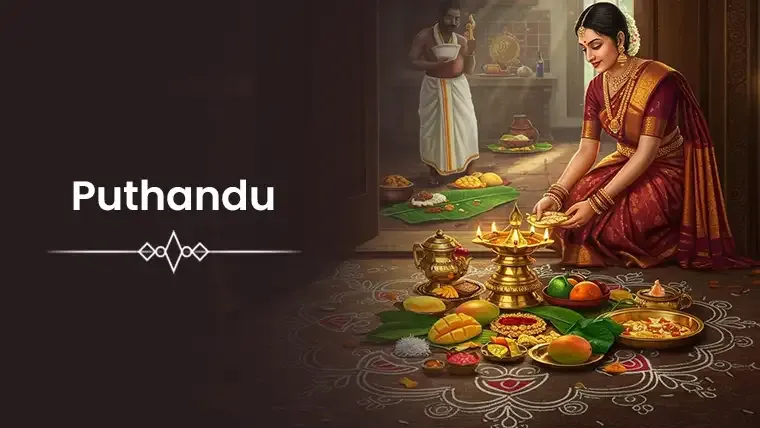
Puthandu, also known as the Tamil New Year, is an auspicious day as per the Tamil solar calendar, which marks the beginning of the new year. Observed on the first day of the Tamil month Chithirai, this festival is celebrated mainly by Tamil communities in Tamil Nadu, Malaysia, Singapore, and Sri Lanka.
On this day, people come together to celebrate with rituals, prayers, and festive meals, festival continues to inspire hope, unity, and a fresh star.
Puthandu 2026 Date and Time
Puthandu in 2026 will be celebrated on: Tuesday, 14th April, 2026
| Event | Time |
|---|---|
| Sankranti Moment on Puthandu | 09:39 AM |
| Vishu Kani Muhurat | 04:40 AM to 06:10 AM (Brahma Muhurat – Best time to view Kani) |
| Sankramana Time (Sun enters Aries) | 08:15 AM |
Puthandu 2026 Significance
Puthandu holds both religious and astrological importance. It is believed to set the tone for the entire year, making rituals and practices on this day especially meaningful.
Religious Significance of Puthandu
According to traditional beliefs, Puthandu is associated with Lord Brahma, the creator of the universe. It is believed that on this day, Lord Brahma began the creation of the world. Devotees offer prayers to seek blessings for a prosperous and peaceful year ahead. Temples are decorated, and special pujas are performed to honor various deities, especially Lord Vishnu and Lord Shiva.
Moreover, the day is also considered ideal for self-reflection, forgiveness, and starting life anew with positive intentions.
Astrological Significance of Puthandu
From an astrological perspective, Puthandu marks the beginning of the Tamil solar year when the Sun enters Aries (Mesha Sankranti). This transition is believed to:
Bring new energy and vitality
Influence financial and personal decisions
Provide a favorable time for new beginnings
Many people talk to astrologers or refer to Panchang readings to understand what the new year holds for them.
Rituals and Customs of Puthandu
Puthandu is celebrated with a variety of traditional rituals and customs that reflect cultural richness and spiritual meaning.
Puthandu Kani (Auspicious Viewing)
One of the most important rituals of Puthandu is the preparation of Puthandu Kani, which means “auspicious sight.” On the eve of the festival, families arrange a tray with symbolic items such as:
| Item | Symbolic Meaning |
|---|---|
| Fresh Fruits (Mangoes & Bananas) | Prosperity, abundance, and fertility |
| Flowers | Positivity, purity, and new beginnings |
| Gold or Silver Items | Wealth and financial prosperity |
| Coins | Good luck and economic stability |
| Mirror | Reflection of a bright and successful future |
| Betel Leaves | Traditional symbol of auspiciousness and blessings |
The first thing seen in the morning is this arrangement, which is believed to bring prosperity and good luck throughout the year. Coming to the explanation, the mirror symbolizes self-reflection, while the fruits and wealth items represent abundance and success.
Kolam Decorations
Homes are decorated with Kolam (rangoli designs) at the entrance using rice flour. These intricate patterns are not only visually appealing but also symbolize:
Welcoming prosperity
Inviting positive energy
Maintaining cultural traditions
Kolam designs are considered sacred and are an essential part of Tamil festivals.
Temple Visits and Prayers
Devotees visit temples early in the morning to offer prayers and seek blessings for the new year. These special rituals include:
Offering flowers and fruits
Lighting lamps
Chanting prayers
Temples are beautifully decorated, and the atmosphere is filled with devotion and positivity.
Wearing New Clothes
Wearing new clothes on Puthandu is a symbol of renewal and fresh beginnings. It represents letting go of the past and embracing the future with optimism and confidence.
Festive Food and Feast
Food plays a special role during Puthandu celebrations, as families prepare traditional dishes that symbolize the experiences of life in the coming year. One of the most important dishes prepared on this day is Mangai Pachadi. This unique dish combines different ingredients that represent the various emotions and situations people encounter in life.
Ingredients Used in Mangai Pachadi
| Ingredient | Symbolic Meaning |
|---|---|
| Raw Mango | Sour taste representing life's challenges |
| Jaggery | Sweet taste symbolizing happiness and joy |
| Neem Flowers | Bitter taste representing difficult moments |
Symbolism of the Dish
| Taste | Meaning in Life |
|---|---|
| Sweet | Happiness |
| Sour | Challenges |
| Bitter | Difficulties |
History and Origin of Puthandu
Puthandu has its roots in the ancient Tamil calendar, which is based on the solar cycle. The festival marks the beginning of the Tamil month Chithirai and aligns with Mesha Sankranti, when the Sun enters Aries.
Historically, this period has been associated with:
Harvest cycles
Seasonal transitions
Agricultural importance
Ancient Tamil literature and traditions emphasize the significance of this time as a period of renewal and prosperity.
Final Words
Apart from being a New Year celebration, Puthandu is a festival deeply rooted in tradition, spirituality, and cultural identity. From the auspicious Puthandu Kani to temple visits and festive meals, every ritual carries meaning and significance.
As Tamil communities across the world celebrate Puthandu 2026, the festival continues to inspire hope, unity, and a fresh start for the year ahead.
Festival List
- Nag Panchami
- Raksha Bandhan
- Janmashtami
- Ganesh Chaturthi
- Onam
- Pitru Paksha
- Shardiya Navratri
- Durga Puja
- Dussehra
- Karwa Chauth
- Dhanteras
- Diwali
- Govardhan Puja
- Bhai Dooj
- Chhath Puja
- Tulsi Vivah
- Guru Nanak Jayanti
- Christmas
- New year
- Lohri
- Pongal
- Makar Sankranti
- Vasant Panchami
- Shivratri
- Ramadan
- Holi
- Good Friday
- Navratri
- Gudi Padwa
- Ugadi
- Vaisakhi
- Ram Navami
- Mahavir Jayanti
- Hanuman Jayanati
- Buddha Purnima
- Akshay Tritiya
- Shani Jayanti
- Guru Purnima
- Hariyali Teej