




Friday, October 16, 2026 Paksha:Shukla Tithi:Shashthi

Friday, October 16, 2026 Paksha:Shukla Tithi:Shashthi

Friday, October 16, 2026 Paksha:Shukla Tithi:Shashthi
Friday, October 16, 2026 Paksha:Shukla Tithi:Shashthi
Friday, October 16, 2026 Paksha:Shukla Tithi:Shashthi

Saturday, October 17, 2026 Paksha:Shukla Tithi:Saptami

Saturday, October 17, 2026 Paksha:Shukla Tithi:Saptami

Saturday, October 17, 2026 Paksha:Shukla Tithi:Saptami

Sunday, October 18, 2026 Paksha:Shukla Tithi:Ashtami

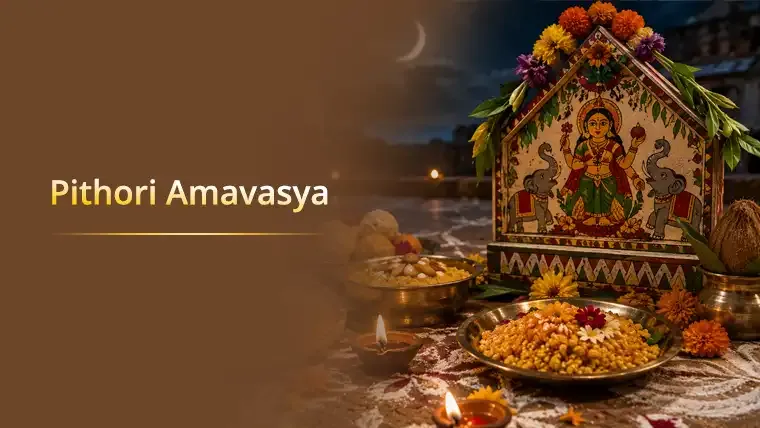
Pithori Amavasya is a revered no-moon day observed mainly in Maharashtra, Gujarat, and other western regions of India. Falling on the Bhadrapada Amavasya in the Hindu calendar, it is dedicated to Pithori Mata, a form of the Divine Mother worshiped by married women for their children’s health, protection, and longevity.
This Amavasya observance also includes Pitru Tarpan, prayers for ancestors, fasting, and charity. Devotees believe sincere worship on Pithori Amavasya brings peace, prosperity, family harmony, and divine blessings.
Pithori Amavasya Date and Time
Observing the vrat and rituals during the correct Amavasya Tithi is considered highly important. Below are the Panchang details for Pithori Amavasya 2026.
Pithori Amavasya 2026: Date and Muhurat
| 🪔 Details | 📅 Date & Time (IST) |
|---|---|
| Pithori Amavasya Date | 10 September 2026 (Thursday) |
| Amavasya Tithi Begins | 10:33 AM, 10 September 2026 |
| Amavasya Tithi Ends | 08:56 AM, 11 September 2026 |
| Pithori Amavasya Vrat Pradosh Muhurat | 06:32 PM – 08:51 PM |
| Brahma Muhurta | 04:31 AM – 05:17 AM |
| Abhijit Muhurta | 11:53 AM – 12:43 PM |
| Amrit Kalam | 11:47 AM – 01:18 PM |
| Godhuli Muhurta | 06:32 PM – 06:55 PM |
| Nishita Muhurta | 11:55 PM – 12:41 AM (11 September 2026) |
| Rahu Kalam | 01:51 PM – 03:25 PM |
| Gulikai Kalam | 09:11 AM – 10:44 AM |
| Yamaganda | 06:03 AM – 07:37 AM |
| Other Names | Bhadrapada Amavasya |
*Note: Timings may vary depending on your city or location. Refer to your local Panchang for the exact muhurat.
Looking for all Amavasya dates? Check the complete Amavasya Calendar with every Amavasya date, tithi timings, and the significance of each observance throughout the year.
What Makes Pithori Amavasya Unique?
Pithori Amavasya is an important Hindu observance dedicated to Maa Pithori, who is revered as a protective form of the Divine Mother Durga (or Parvati). The vrat is especially observed by mothers who pray for the health, happiness, longevity, and prosperity of their children.
According to traditional beliefs, the name Pithori is believed to be derived from the word "Pithora" or "Pith" (rice flour), as traditional worship involved creating symbolic images of the Sixty-Four Yoginis (Chausath Yoginis) using rice flour or clay. These divine feminine energies are regarded as protectors of children and family well-being.
Furthermore, Pithori Amavasya is known as Matru Din (Mother's Day) in many parts of India because it celebrates the unconditional love of a mother and her children. According to beliefs, this tradition stems back to rituals in which women would fast all day to pray for their children's health and prepare extravagant dinners to nourish them.
In many regions, Pithori Amavasya is also observed as Bhadrapada Amavasya, while in Maharashtra, Gujarat, and Rajasthan, it is popularly celebrated as Pithori Vrat.
Since the day falls on Amavasya, it is also regarded as highly auspicious for Pitru Tarpan and remembering departed ancestors. This dual significance, honoring both the Divine Mother and one's ancestors, makes Pithori Amavasya a spiritually meaningful occasion for many Hindu families.
Significance of Pithori Amavasya
The significance of Pithori Amavasya goes beyond traditional fasting and rituals. The day symbolizes gratitude, motherhood, family well-being, and honoring your ancestors.
Blessings for Children
One of the primary reasons women observe the vrat is to seek the blessings of Goddess Pithori for the protection, long life, good health, and success of their children.
Worship of the Divine Mother
The day celebrates the nurturing aspect of the Goddess. Devotees pray for strength, harmony, prosperity, and the removal of difficulties affecting family life.
Pitru Tarpan
Since the observance falls on Amavasya, many devotees perform Tarpan and offer prayers to their ancestors, believing it brings peace to departed souls and blessings to future generations.
Spiritual Purification
Like other Amavasya observances, Pithori Amavasya is considered a favorable time for meditation, prayer, charity, and introspection. Devotees seek forgiveness for past mistakes and pray for spiritual progress.
Pithori Amavasya Rituals: How to Observe the Day
The rituals of Pithori Amavasya are simple yet deeply meaningful.
Holy Bath
The day begins with an early morning bath. Many devotees add Gangajal (water from the holy Ganges) to the bathing water as a symbol of purity before beginning the vrat.
Worship of Pithori Mata
A clean altar is prepared with an image or symbolic representation of Pithori Mata. Flowers, turmeric, kumkum, rice, fruits, sweets, and traditional offerings are placed before the Goddess.
In many households, images representing the Sixty-Four Yoginis are also worshipped as part of the ritual.
Observe the Vrat
Women observe a fast with devotion, praying for their children's well-being. Some observe a full-day fast, while others follow a partial fast according to family traditions.
Offer Naivedya
Traditional sweets, fruits, milk preparations, and sattvic food are offered to the Goddess before being distributed as prasad.
Pitru Tarpan
Many families also perform Tarpan by offering water mixed with black sesame seeds while remembering their ancestors.
Charity
Donating food, clothes, grains, or money to those in need is regarded as an important part of the observance and is believed to increase the spiritual merit of the day.
Fasting Rules for Pithori Amavasya
Many devotees observe fasting on this sacred day as an act of devotion and self-discipline.
During the Fast
Consume only sattvic food if observing a partial fast.
Avoid onion, garlic, alcohol, and non-vegetarian food.
Spend time in prayer, meditation, and chanting.
Maintain a calm and positive mindset.
Foods Commonly Consumed
Fruits
Milk
Dry fruits
Sabudana preparations
Simple vegetarian meals after completing the rituals
Final Words
Pithori Amavasya serves as a gentle reminder that the strength of a family lies in its faith, gratitude, and traditions. From offering prayers for children to remembering ancestors with reverence, every ritual performed on this day reflects love, responsibility, and devotion. Observing this sacred Amavasya with sincerity is believed to invite divine blessings, strengthen family bonds, and nurture lasting peace and prosperity.
Interested in knowing how ancestral influences, karmic patterns, or planetary alignments may shape your life? Connect with Astroyogi's expert astrologers for personalized guidance and effective spiritual remedies. Call or Chat Now!
Festival List
- Nag Panchami
- Raksha Bandhan
- Janmashtami
- Ganesh Chaturthi
- Onam
- Pitru Paksha
- Shardiya Navratri
- Durga Puja
- Dussehra
- Karwa Chauth
- Dhanteras
- Diwali
- Govardhan Puja
- Bhai Dooj
- Chhath Puja
- Tulsi Vivah
- Guru Nanak Jayanti
- Christmas
- New year
- Lohri
- Pongal
- Makar Sankranti
- Vasant Panchami
- Shivratri
- Ramadan
- Holi
- Good Friday
- Navratri
- Gudi Padwa
- Ugadi
- Vaisakhi
- Ram Navami
- Mahavir Jayanti
- Hanuman Jayanati
- Buddha Purnima
- Akshay Tritiya
- Shani Jayanti
- Guru Purnima
- Hariyali Teej