


Tuesday, September 15, 2026 Paksha:Shukla Tithi:Panchami
Wednesday, September 16, 2026 Paksha:Shukla Tithi:Shashthi
Thursday, September 17, 2026 Paksha:Shukla Tithi:Saptami

Thursday, September 17, 2026 Paksha:Shukla Tithi:Saptami
Thursday, September 17, 2026 Paksha:Shukla Tithi:Saptami
Friday, September 18, 2026 Paksha:Shukla Tithi:Saptami
Friday, September 18, 2026 Paksha:Shukla Tithi:Saptami

Saturday, September 19, 2026 Paksha:Shukla Tithi:Ashtami
Saturday, September 19, 2026 Paksha:Shukla Tithi:Ashtami
Saturday, September 19, 2026 Paksha:Shukla Tithi:Ashtami
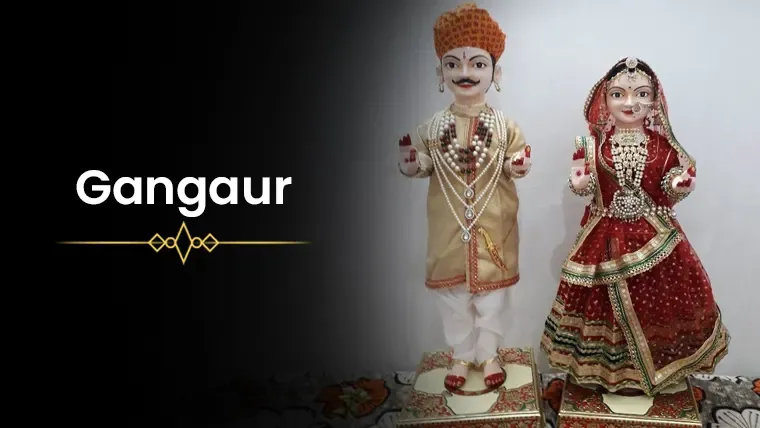
Every year, as the colors of Holi begin to fade, something even more beautiful takes over. Women across Rajasthan and beyond take out their brightest lehengas, their finest jewelry, and their most heartfelt prayers. For the next 18 days, their world revolves around Goddess Gauri.
Date & Time
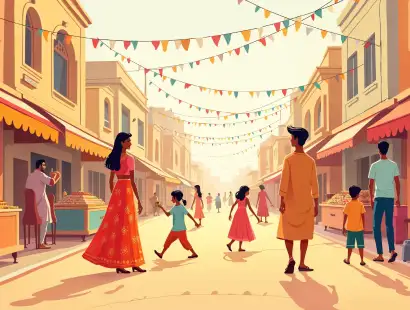
This is Gangaur, one of the most vibrant, joyful, and deeply meaningful festivals in India. It is a 18-day long celebration of the sacred bond of marriage that begins the day after Holi and ends on Chaitra Shukla Tritiya.
In 2026, Gangaur Puja falls in March. Here is everything you need to know.
Gangaur 2026 Date and Puja Muhurat
The Gangaur date in 2026 begins on March 4, 2026, and the main Gangaur Puja falls on Saturday, March 21, 2026, the Chaitra Shukla Tritiya.
🗓️ Tritiya Tithi Begins: 02:30 AM on March 20, 2026
🗓️ Tritiya Tithi Ends: 11:56 PM on March 21, 2026
🙏 Gangaur Puja Muhurat: 6:31 AM on March 21, 2026
🌅 Sunrise: 6:33 AM
🌇 Sunset: 6:34 PM
🌙 Moonrise: 7:23 PM
🌑 Moonset: 8:53 PM
🕉️ Brahma Muhurat: 4:56 AM to 5:44 AM
🏆 Vijay Muhurat: 1:00 PM to 1:45 PM
🌆 Godhuli Muhurat: 6:34 PM to 6:55 PM
🌌 Nishita Muhurat: 11:45 PM to 12:30 AM
✨ Abhijit Muhurat: 12:10 PM to 12:58 PM
🌟 Amrit Kaal (Auspicious Evening Period): 5:57 PM to 7:26 PM
Important note: The early morning hours right after sunrise are considered the most auspicious time for Gangaur Puja. Performing the puja during this window is believed to bring maximum blessings of marital happiness and prosperity from Goddess Gauri.
What is the Gangaur festival? Meaning and Significance
Starting with the name itself, gangaur is made up of two words—'Gan,' which refers to Lord Shiva, and 'Gaur,' which means Goddess Gauri or Parvati. So Gangaur is a celebration of the divine union of Lord Shiv and Parvati.
This festival holds special meaning for women, both married and unmarried.
Married women observe the Gangaur vrat and perform puja for the long life, good health, and prosperity of their husbands. Whereas unmarried girls worship Goddess Gauri and pray for a kind and loving life partner, just like Parvati found in Lord Shiva.
It also marks the arrival of spring and the beginning of the harvest season. It is a celebration of nature, love, and life all rolled into one beautiful festival.
The Story Behind Gangaur: Why is Gangaur Celebrated?
The answer lies in a beautiful story that has been told across generations.
Long ago, Goddess Parvati performed intense devotion and meditation for years to win the love of Lord Shiva. She fasted, prayed, and never gave up.
Moved by her unwavering love and dedication, Lord Shiva finally accepted her as his wife.
After their divine marriage, Parvati visited her maternal home during the month of Chaitra. Her friends, the women of the village, became overjoyed to see her. They welcomed her with great love and offered her prayers.
Goddess Parvati was deeply touched by their devotion. She blessed all the married women present with the gift of suhag, the boon of a long and happy married life. She also blessed the unmarried girls with the promise of a good and loving husband.
For 18 days, Goddess Gauri stayed at her maternal home, blessing everyone around her. On the final day, Lord Shiva himself came to take her back to their divine abode. The women bid her a tearful and joyful farewell, immersing her idol in water, symbolizing her return to her husband's home.
Gangaur Pooja Vidhi: How to Celebrate Gangaur
The Gangaur Puja Vidhi is observed for 18 days, with the grandest rituals on the final day. Here is a simple and easy-to-follow guide:
Wake up early and take a holy bath: Start each day of the Gangaur festival by waking up before sunrise and taking a bath.
Prepare the idols: Place clay idols of Goddess Gauri (Gawarja) and Lord Shiva (Isar Ji) on a clean and decorated platform at home
Offer daily prayers and offerings: Offer water, sindoor, mehndi, bangles, flowers, and sweets to Goddess Gauri. Special flour ornaments mixed with turmeric, called Gune, are offered as symbolic jewelry.
Observe the vrat: Newly married women observe a strict fast for all 18 days. Other women eat only one meal a day. On the main puja day, women observe a full day fast.
Sing traditional songs: Women gather every morning and evening to sing Gangaur folk songs that praise Goddess Gauri and narrate her love story with Lord Shiva.
Apply mehndi: On the second-last day of the festival, women apply mehndi on their hands and feet as part of the celebration.
Follow the Sinjara tradition: A day before the main puja, married women receive Sinjara from their parents, which includes sweets, clothes, jewelry, mehndi, and cosmetics as blessings.
Grand procession and visarjan: On the final day, women dress in their finest attire, carry the decorated idols in a colorful procession, and immerse them in a lake or river.
The visarjan marks a heartfelt farewell to Goddess Gauri as she returns to her husband’s home, making it a joyful yet emotional moment.
Gangaur Festival Mantras for Puja
Mantras play a central role in Gangaur Puja. Below is a beautifully presented, original-style explanation of the most commonly recited Gangaur mantras for your English blog.
1. Main Gangaur Puja Mantra
ॐ ह्रीं गौरीपतये स्वाहा ।
(Om Hreem Gauripataye Swaha)
This mantra is chanted while offering flowers, turmeric, kumkum, and sacred water to Goddess Gauri.
Meaning: I bow to Goddess Gauri, the divine consort of Lord Shiva, and seek her blessings for happiness, prosperity, and marital harmony.
Spiritual Significance: The seed sound “Hreem” represents divine feminine energy. Chanting this mantra is believed to invoke purity, strength, and grace into one’s life.
2. Mantra for Marriage and Marital Bliss
कात्यायनि महामाये महायोगिन्यधीश्वरि।
नन्दगोपसुतं देवि पतिं मे कुरु ते नमः॥
(Katyayani Mahamaye Mahayoginyadhishwari |
Nandagopasutam Devi Patim Me Kuru Te Namah ||)
Traditionally recited by unmarried girls seeking a suitable husband and by married women praying for their husband’s long life and well-being.
Meaning: O Goddess Katyayani, supreme divine power, I offer my prayers to you. Kindly bless me with a worthy and loving husband.
Spiritual Significance: This sacred verse is also associated with young devotees who worship Goddess Parvati to receive a life partner blessed with noble qualities and devotion.
3. Gangaur Aarti Mantra
जय गंगा गौरी, मैया जय गंगा गौरी।
तुमको नित ध्यावत, हरि ब्रह्मा शिवा री॥
(Jai Ganga Gauri, Maiya Jai Ganga Gauri |
Tumko Nit Dhyavat, Hari Brahma Shivari ||)
This devotional hymn is sung during the aarti ceremony with lamps, flowers, and heartfelt devotion.
Meaning: Glory to Mother Gauri! Even Lord Vishnu, Brahma, and Shiva meditate upon you daily. We bow before your divine grace.
Spiritual Significance: Singing this aarti fills the atmosphere with positivity and devotion, marking the joyful conclusion of the puja.
Gangaur Sweets: What Is Made During the Festival
No celebration is complete without food. Here are the most popular Gangaur sweets prepared and shared during the festival:
Ghevar: The most iconic Gangaur sweet. Crispy, disc-shaped, deep-fried, and soaked in sugar syrup. It is the first thing that comes to mind when you hear Gangaur.
Malpua: Sweet golden pancakes made with flour, milk, and sugar. Soft, syrupy, and absolutely delicious.
Gujiya: A fried dumpling stuffed with khoya, coconut, and dry fruits. A beloved treat across North India during spring festivals.
Laddoos and Barfi: Made with gram flour, milk, and sugar. Prepared at home, offered to the Goddess first, and then shared with family.
Puri and Halwa: A classic combination prepared on the main puja day, offered to the Goddess and eaten together as a family.
Gangaur Pooja Modern Relevance
In today's time, we rush from one thing to the next. But Gangaur asks us to slow down for 18 whole days to sing, pray, dress up, and celebrate the love and relationships that make life meaningful.
The story of Goddess Parvati reminds us that true love requires patience, devotion, and trust. And traditions where women pray for their husbands, unmarried girls dreaming of a loving partner, mothers sending gifts to their daughters reminds that relationships need to be nurtured, celebrated, and honored.
So, as spring brings new life and color to the world, let Gangaur bring the same to your home. Sing a Gangaur geet, offer a flower to Goddess Gauri, make a sweet for your family And take a moment to be grateful for the love in your life.
Festival List
- Nag Panchami
- Raksha Bandhan
- Janmashtami
- Ganesh Chaturthi
- Onam
- Pitru Paksha
- Shardiya Navratri
- Durga Puja
- Dussehra
- Karwa Chauth
- Dhanteras
- Diwali
- Govardhan Puja
- Bhai Dooj
- Chhath Puja
- Tulsi Vivah
- Guru Nanak Jayanti
- Christmas
- New year
- Lohri
- Pongal
- Makar Sankranti
- Vasant Panchami
- Shivratri
- Ramadan
- Holi
- Good Friday
- Navratri
- Gudi Padwa
- Ugadi
- Vaisakhi
- Ram Navami
- Mahavir Jayanti
- Hanuman Jayanati
- Buddha Purnima
- Akshay Tritiya
- Shani Jayanti
- Guru Purnima
- Hariyali Teej