


Tuesday, September 22, 2026 Paksha:Shukla Tithi:Ekadashi

Wednesday, September 23, 2026 Paksha:Shukla Tithi:Dvadashi
Wednesday, September 23, 2026 Paksha:Shukla Tithi:Dvadashi

Friday, September 25, 2026 Paksha:Shukla Tithi:Chaturdashi
Friday, September 25, 2026 Paksha:Shukla Tithi:Chaturdashi
Saturday, September 26, 2026 Paksha:Shukla Tithi:Purnima
Sunday, September 27, 2026 Paksha:Krishna Tithi:Prathama

Monday, September 28, 2026 Paksha:Krishna Tithi:Dvitiiya
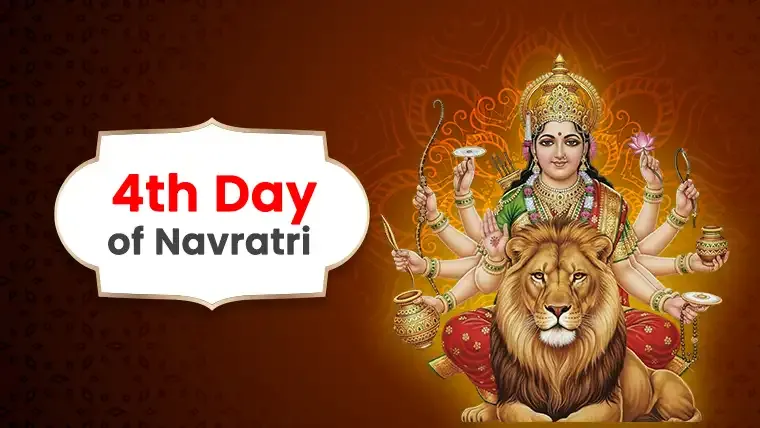
The 4th day of Navratri marks an important stage in the sacred nine-day festival dedicated to Goddess Durga and her nine divine forms known as Navadurga. On this fourth day of Navratri, devotees focus on welcoming positivity, healing, success, and prosperity through specific puja rituals, mantras, vrat, and offerings in honor of Maa Kushmanda, the day 4 Navratri goddess.
Navratri Day 4 Overview
The rituals and traditions of the 4th Navratri revolve around the worship of Maa Kushmanda.
| Aspect | Details |
|---|---|
| Chaitra Navratri 4th Day 2026 Date | 22 March 2026 (Sunday) |
| Tithi | Chaturthi (fourth lunar day as per Hindu Panchang) |
| Navratri Day | Navratri Day 4 |
| Goddess Worshipped | Maa Kushmanda |
| Navratri Fourth Day Color | Yellow |
| Key Ritual | Worship of Maa Kushmanda |
| Planet Associated | Sun |
What’s the Significance of the 4th Day of Navratri?
The fourth day of Navratri holds deep spiritual significance because it honors Maa Kushmanda, the goddess believed to have created the universe with her divine smile.
According to Hindu scriptures, when there was darkness everywhere, Maa Kushmanda manifested the cosmic energy that formed the sun and illuminated the universe. Because of this, she is often associated with the source of life, energy, and vitality.
Worship on the fourth day of Navratri is believed to bring balance, positivity, remove obstacles, and bless devotees with strength and creativity.
Key spiritual meanings associated with day 4 of Navratri include:
Awakening inner energy and vitality
Inviting abundance and positivity
Removing fear, illness, and negativity
Strengthening spiritual awareness
Enhancing creativity and confidence
Navratri Day 4 Goddess: Maa Kushmanda
Maa Kushmanda is the fourth form of Goddess Durga among the Navadurga. The name Kushmanda comes from three Sanskrit words: Ku – little, Ushma – warmth or energy, and Anda – cosmic egg or universe. Together, the name symbolizes the goddess who created the universe with a small divine smile.
In Hindu mythology, Goddess Kushmanda is believed to reside in the core of the sun, providing energy and light to the entire universe. Her worship on the fourth Navratri is believed to remove suffering and bless devotees with strength, prosperity, and spiritual illumination.
Puja Essentials (Samagri) for Navratri Day 4
While the Kalash established on Day 1 remains in the puja area, devotees prepare additional items to worship Maa Kushmanda on Day 4 of Navratri.
Common puja samagri includes:
Idol or picture of Maa Kushmanda
Kalash from Day 1 of Navratri
Fresh flowers and garlands
Yellow cloth or chunari for the altar
Kumkum, haldi, chandan, and akshat
Ghee diya and incense sticks
Camphor for aarti
Fruits and sweets
Panchamrit (milk, curd, honey, sugar, and ghee)
Bell (ghanti) and conch (shankh)
Japa mala (rudraksha or tulsi) for chanting mantras
Puja Rituals for Day 4 of Navratri
The fourth day of Navratri rituals focuses on invoking Maa Kushmanda’s cosmic energy and blessings. The basic pattern of puja remains similar to other days, but the focus and offerings change for the Chaturthi Navratri.
Morning Rituals:
Wake up early and take a bath
Wear yellow clothes as per the Navratri fourth day color
Clean and decorate the puja area
Light a ghee diya before the Kalash
Offer fresh flowers to the goddess
Worship of Maa Kushmanda:
Offer kumkum, sandalwood paste, and akshat
Drape a yellow chunari around the idol
Offer fruits, sweets, and panchamrit as prasad
Light incense, dhoop, and camphor
Chant the 4th day of Navratri mantra
Aarti, Bhajans, and Katha:
Devotional singing and storytelling are important parts of Navratri Day 4 celebrations.
Devotees often perform Durga aarti, Navdurga stuti, and Bhajans dedicated to Maa Kushmanda. Recitation of sacred texts like Durga Saptashati and listening to the Navratri 4th day katha (the story of the fourth Navratri goddess) helps devotees understand the spiritual meaning of the day.
Families often gather in the evening to perform aarti together and distribute prasad, strengthening devotion and community bonds.
Navratri Day 4 Mantra
Mantra chanting is one of the most important practices on the fourth day of Navratri.
The main 4th day of Navratri mantra dedicated to Maa Kushmanda is:
|| Om Devi Kushmandayai Namah ||
Color of the 4th Day of Navratri: Yellow
The Navratri Day 4 color is yellow, which represents energy, positivity, prosperity, brightness, joy, and divine knowledge.
On the 4th Navratri, devotees wear yellow clothes, decorate the altar with yellow flowers, and offer yellow-colored sweets or fruits to Maa Kushmanda. This color aligns with the radiant energy of the goddess, who is believed to illuminate the universe with her divine power.
Auspicious Offerings, Flowers, and Bhog on Day 4 of Navratri
Offerings on the 4th day of Navratri are chosen to honor the nurturing and life-giving nature of Maa Kushmanda.
Flowers: Yellow marigolds are the most common; some also use lotus, jasmine, or orange-hued flowers to complement the yellow theme.
Bhog: Kheer, halwa, curd, sweet rice, and milk-based yellow sweets are considered auspicious.
Special offering: Pumpkin-based sweets or dishes, or even a whole pumpkin offered at the altar, symbolize nourishment and the goddess’s connection with “Kushmanda”.
Fasting (Vrat) Rules for the 4th Day of Navratri
Fasting on the 4th day of Navratri (Navratri 4th day vrat) is believed to cleanse the body, sharpen the mind, and make the heart more receptive to Maa Kushmanda’s grace. Some basic rules include avoiding wheat, rice, and other grains, eating fruits, Sabudana (Sago pearls) dishes, buckwheat flour, and more. For the whole list of Navratri fast rules, you can read this blog.
Do’s and Don’ts for Navratri Day 4
Following certain practices helps maintain the sacred discipline of Navratri.
Do’s:
Begin the day with prayers and a calm mind
Wear yellow, the Navratri fourth day color
Chant Maa Kushmanda mantras with devotion
Maintain a sattvik diet during vrat
Participate in evening aarti and bhajans
Don’ts:
Avoid anger, arguments, or negative thoughts
Do not consume alcohol or non-vegetarian food
Avoid breaking fasting rules unnecessarily
Do not disturb or move the Kalash established on Day 1
The 4th day of Navratri is dedicated to Maa Kushmanda, the goddess who created the universe and radiates life-giving energy. By chanting the Navratri Day 4 mantra, wearing the auspicious yellow color, performing puja rituals, and observing vrat, devotees invite prosperity, positivity, and divine blessings into their lives.
Understanding the significance of the Navratri fourth day, its rituals, offerings, and spiritual meaning allows devotees to celebrate this sacred day with deeper faith and devotion as they continue their journey through the nine powerful nights of Navratri.
Festival List
- Nag Panchami
- Raksha Bandhan
- Janmashtami
- Ganesh Chaturthi
- Onam
- Pitru Paksha
- Shardiya Navratri
- Durga Puja
- Dussehra
- Karwa Chauth
- Dhanteras
- Diwali
- Govardhan Puja
- Bhai Dooj
- Chhath Puja
- Tulsi Vivah
- Guru Nanak Jayanti
- Christmas
- New year
- Lohri
- Pongal
- Makar Sankranti
- Vasant Panchami
- Shivratri
- Ramadan
- Holi
- Good Friday
- Navratri
- Gudi Padwa
- Ugadi
- Vaisakhi
- Ram Navami
- Mahavir Jayanti
- Hanuman Jayanati
- Buddha Purnima
- Akshay Tritiya
- Shani Jayanti
- Guru Purnima
- Hariyali Teej