



Sunday, October 4, 2026 Paksha:Krishna Tithi:Navami
Monday, October 5, 2026 Paksha:Krishna Tithi:Dashami
Tuesday, October 6, 2026 Paksha:Krishna Tithi:Ekadashi

Tuesday, October 6, 2026 Paksha:Krishna Tithi:Ekadashi
Wednesday, October 7, 2026 Paksha:Krishna Tithi:Dvadashi

Wednesday, October 7, 2026 Paksha:Krishna Tithi:Dvadashi

Thursday, October 8, 2026 Paksha:Krishna Tithi:Trayodashi

Thursday, October 8, 2026 Paksha:Krishna Tithi:Trayodashi

Friday, October 9, 2026 Paksha:Krishna Tithi:Chaturdashi
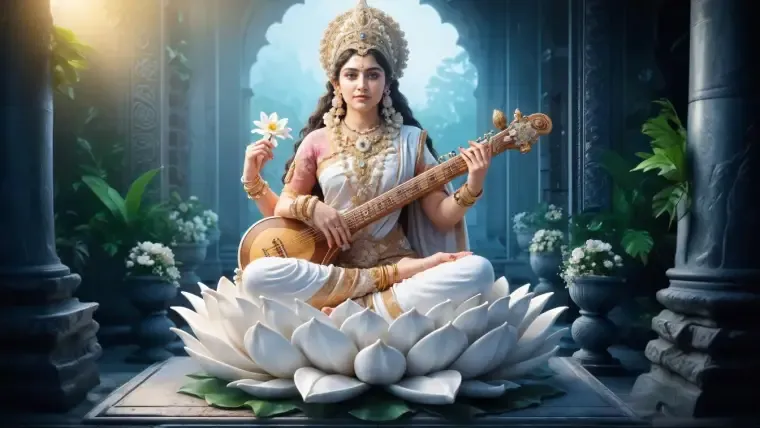
Basant Panchami, also known as Vasant Panchami, is a popular Indian festival that marks the arrival of the spring season. It is a special day when students and scholars honor Goddess Saraswati, the deity of knowledge, music, and art, through heartfelt worship and prayers. Basant Panchami 2026 will be celebrated across India on Friday, January 23. Also, the details regarding the Muhurat and Tithi are as follows:
Vasant Panchami 2027 Date & Time
Duration - 05 Hours 39 Mins
Panchami Tithi Begins - 03:04 AM on Feb 11, 2027
Panchami Tithi Ends - 03:18 AM on Feb 12, 2027
About Basant Panchami: Meaning, Deity(s), and Importance
The meaning of Vasant Panchami is quite simple and easy to understand. The name of the festival comprises two words: “Vasant”, meaning "Spring," and “Panchami,” which is the fifth lunar day and symbolizes the connection between seasonal growth and spirituality.
Deity Associated With Vasant Panchami
Vasant Panchami is dedicated to Goddess Saraswati, the wife of Brahma, or the creator of this world. She is revered on this auspicious day as she is the goddess of music, arts, knowledge, and learning.
Goddess Saraswati is a representative of enlightenment in this universe, according to Hindu mythology. It is for this reason that the day celebrates the ripening of the yellow mustard flowers, a favorite of the Goddess Saraswati.
Vasant Panchami Significance
As per the beliefs of the worshippers, it is important to worship Goddess Saraswati because, in her absence, the world would be submerged under the darkness of ignorance.
This day is often considered auspicious for giving the first lessons of education to a child. This customary act is called Vidyarambam or Aksharabhyasam. Additionally, this is also the time when spring approaches with all its bountiful blessings.
During this time, mustard flowers are in full bloom in India. The fields of mustard resemble yellow flower beds when they are in full bloom at this time. As a result, the color yellow is deeply associated with this festival. People celebrate the festival wearing yellow, and even the delectable dishes prepared on this occasion, like Khichdi, are primarily yellow in color. Interestingly, the color yellow is symbolic of warmth and happiness in most cultures.
Astrological Benefits of Basant Panchami
Apart from the cultural significance, there’s an astrological importance of Vasant Panchami.
As per the knowledge of astrological sciences, it is believed that by performing Saraswati puja on this day, one can reduce the ill-effects of many planets like Shukra, Brahaspati, Chandra, and Budh Graha.
The benefits of this puja are so far-fetched that it can offer relief to the people undergoing mahadasa and antardardasa. If an individual is going through any dashas in their birth chart, the beneficial aspects of this puja paired with charity and donations, can assuage the planets. Furthermore, even those people who are suffering from the effects of Jupiter, Moon, Venus, or Mercury retrograde can gain benefits from this puja.
Rituals Associated with Basant Panchami
Being considered an extremely opportune day, people like to begin any new projects on this day. There are several rituals that are performed on this day. Here are some of the prominent ones:
Students are directed to chant the Saraswati mantra, “Om Shree Saraswatyai Namah,” to excel in their studies.
People visit the temple of Lord Ganesha to seek blessings before starting any new venture.
People donate white things like milk, rice, white sesame seeds, curd, sugar, and butter. This is because it is believed that the Goddess Saraswati was born out of sattva guna, and thus she is very fond of all things white.
In the northern parts of the country, like Rajasthan and Punjab, people celebrate by flying kites.
People perform puja and offer yellow flowers and clothes to Goddess Saraswati to appease her.
Basant Panchami Puja Vidhi
We have listed below the different steps to follow to perform Saraswati puja for a gleaming career and academic life:
Put the idol of goddess Saraswati on a wooden chowki and cover her in yellow clothes.
Decorate the puja place with rangoli.
Place a lighted oil lamp to the right.
Meditate and take a pledge or Sankalpa.
Invoke Lord Ganesha to seek his blessings for a hassle-free puja.
Do an aavahan to invoke goddess Saraswati.
Do an arghya, achamaniya and snana for the idol.
Offer the goddess with Panchamrit made out of ghee, honey, curd, cow's milk, and jaggery.
Offer gangajal to the idol
Adorn the idol with haldi, chandan, kumkum, sindoor, and flowers.
Offer naivedhyam to the goddess along with a tambulam, which is a platter of betel leaves and nuts, coconut, turmeric, and banana.
Perform Saraswati Aarti and conclude by doing pranam.
How Basant Panchami is Celebrated Across Indian Cities
Basant Panchami is celebrated in diverse ways across India, with each region adding its own cultural traditions, rituals, and festive customs to welcome the arrival of spring and honor Goddess Saraswati.
Varanasi
Varanasi observes Basant Panchami with sacred rituals along the Ganga ghats. Temples conduct special prayers, while cultural activities like classical music and poetry are organized, especially in academic spaces, blending devotion with learning and tradition.
Kolkata
Known as Saraswati Puja, the festival holds special importance for students in Kolkata. Homes, schools, and community pandals host idol worship, with books and instruments offered to the goddess, and many devotees refrain from study as a sign of respect.
Brij (Mathura–Vrindavan)
In Brij, Basant Panchami marks the beginning of Holi festivities. Temples are adorned with yellow flowers, deities wear yellow attire, and devotees celebrate with devotional gatherings, symbolizing the joyful arrival of spring and upcoming Holi rituals.
Odisha
In Odisha, devotees celebrate Basant Panchami by offering yellow flowers to Goddess Saraswati in temples. The day is observed with simplicity and devotion, focusing on prayer, learning, and gratitude for knowledge and creativity.
Assam
In Assam, Basant Panchami begins early in the morning with household cleaning and preparation of home shrines. Devotees wear new clothes and participate in Saraswati Puja, seeking blessings for wisdom and a positive start to the season.
Punjab and Haryana
Basant Panchami in Punjab and Haryana is celebrated with kite flying and cheerful gatherings. Families prepare traditional dishes like sweet rice and seasonal meals, while the festive atmosphere reflects the region’s warmth and agricultural heritage.
Jaipur
In Jaipur, Basant Panchami is marked by Saraswati worship in educational institutions and temples. The city’s skyline fills with vibrant kites, while households and sweet shops prepare yellow-themed dishes, adding festive charm to the Pink City.
Traditional Dishes Made on Basant Panchami
Since the festival Basant Panchami is bathed in the color yellow, the cuisines made on this special day also have hues of yellow. Different appetizing dishes are made on this day, filling people's hearts with optimism and prosperity, just like the color yellow. Here are the dishes made in different parts of the country on this opportune day:
Khichdi: Pulses and rice are mixed with a generous amount of ghee to cook khichdi. It is paired with different appetizers like pickles, papad, dahi, and salads.
Fritters: Bengali households celebrate the occasion by making fritters. These fritters are made out of different vegetables like onion, potato, cauliflower, and pumpkin.
Beguni: Being the indispensable companion of khichdi, this is a fritter made out of eggplants.
Kesari Chawal: This is a dessert made in Punjab and its neighboring areas and is also popularly known as meethe chawal.
Kesari Rajbhog: Cottage cheese is dipped in sugar syrup infused with saffron extracts to make this luxurious dessert.
Nariyal Barfi: Adding saffron to grated coconut mixed with sugar and mawa makes up this delicious sweet dish.
Kul Chatni: This festival is incomplete without the pickles and dips made out of Kul or bear fruit.
Boondi ke Laddoo: Any Saraswati puja is incomplete without these iconic Indian dessert items.
For accurate Basant Panchami puja vidhi, auspicious timings, and ritual guidance, talk to an astrologer on Astroyogi and perform the celebrations with complete devotion and clarity.
Legends Associated with Basant Panchami
One of the most popular legends associated with this day is the story of Kama Dev or the God of love and his union with his beloved wife, Rati. According to mythology, goddess Parvati sought the help of Kama Dev to awaken Shiva from his deep meditation.
The world was in disarray and needed Shiva's presence, so at Parvati's behest, Kama Dev made a bow out of sugarcane and launched an arrow made out of flowers to distract Shiva and bring his attention back to the materialistic world. His actions however enraged Shiva to the point that he opened his third eye that initiated the destruction of the world. In the process, he also burned the God of love into ashes. At the bidding of Kama Dev's wife, Rati, Shiva finally restored her husband's life, thus bringing the husband and wife back together. Furthermore, the incident marks the return of Lord Shiva back to the Grihastha state from his vairagya state.
Initiating a string of auspicious days, the Basant Panchami 2026 date marks the end of the cold winter, heralding a time of bright sunshine upon the world. It is a time to celebrate optimism and learning as both these things motivate us in moving forward in life!
Festival List
- Nag Panchami
- Raksha Bandhan
- Janmashtami
- Ganesh Chaturthi
- Onam
- Pitru Paksha
- Shardiya Navratri
- Durga Puja
- Dussehra
- Karwa Chauth
- Dhanteras
- Diwali
- Govardhan Puja
- Bhai Dooj
- Chhath Puja
- Tulsi Vivah
- Guru Nanak Jayanti
- Christmas
- New year
- Lohri
- Pongal
- Makar Sankranti
- Vasant Panchami
- Shivratri
- Ramadan
- Holi
- Good Friday
- Navratri
- Gudi Padwa
- Ugadi
- Vaisakhi
- Ram Navami
- Mahavir Jayanti
- Hanuman Jayanati
- Buddha Purnima
- Akshay Tritiya
- Shani Jayanti
- Guru Purnima
- Hariyali Teej