


Tuesday, September 15, 2026 Paksha:Shukla Tithi:Panchami
Wednesday, September 16, 2026 Paksha:Shukla Tithi:Shashthi
Thursday, September 17, 2026 Paksha:Shukla Tithi:Saptami
Thursday, September 17, 2026 Paksha:Shukla Tithi:Saptami
Thursday, September 17, 2026 Paksha:Shukla Tithi:Saptami
Friday, September 18, 2026 Paksha:Shukla Tithi:Saptami
Friday, September 18, 2026 Paksha:Shukla Tithi:Saptami

Saturday, September 19, 2026 Paksha:Shukla Tithi:Ashtami
Saturday, September 19, 2026 Paksha:Shukla Tithi:Ashtami
Saturday, September 19, 2026 Paksha:Shukla Tithi:Ashtami
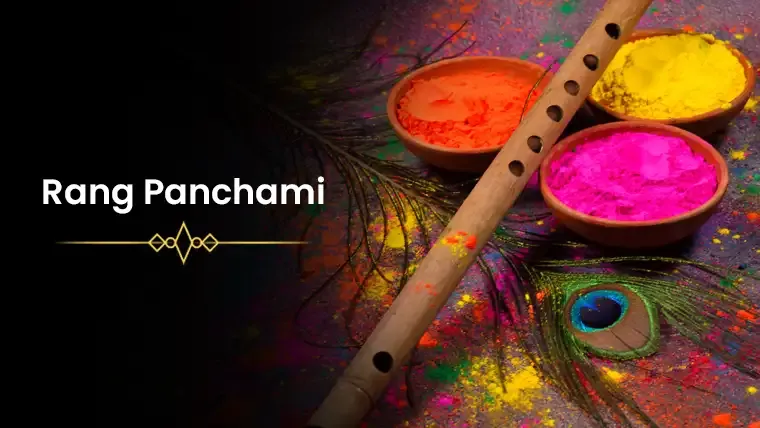
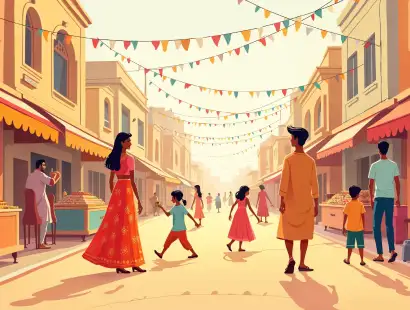
Rang Panchami 2026 explodes with vibrant colors and joyous celebrations on March 8, five days after the Holi festival, marking the peak of spring revelry in North India. This festival turns streets into rainbows of gulal (colored powder) showers on deities, and rhythmic processions, blending devotion with unbridled fun.
Date & Time
If you're searching for Rang Panchami date 2026, when is Rang Panchami, what is Rang Panchami, or why Rang Panchami is celebrated, this guide has you covered. From interesting stories to rituals, get detailed insights into this vibrant festive adventure here.
Rang Panchami 2026 Date and Schedule
Rang Panchami is celebrated on the fifth day (Panchami) of the Krishna Paksha in the Hindu month of Phalguna. It falls five days after Holi. In 2026, it aligns perfectly after the main Holi festival for extended festivities.
| Event | Date (2026) | Day | Description |
|---|---|---|---|
| Rang Panchami | 08 March 2026 | Sunday | Color-throwing festival with processions and dances; Holi ends in temples. |
Since the festival follows the Hindu lunar calendar, the Rang Panchami date changes every year. It always comes after Rangwali Holi, marking the spiritual closure of the Holi festivities.
Rang Panchami 2026 Muhurat
Rang Panchami Tithi Starts – 07 March 2026 at 07:17 PM (IST)
Rang Panchami Tithi Ends – 08 March 2026 at 09:10 PM (IST)
There is no strict muhurat for playing colors during Rang Panchami, and celebrations usually begin after sunrise.
Where and How to Celebrate Rang Panchami 2026?
Expect action from morning till evening. Core events kick off around temples, especially in places like Mathura, Vrindavan, Ujjain, and Rajasthan. The way Rang Panchami is celebrated depends on the region, but the core theme remains color and community.
Prime spots to celebrate Rang Panchami: Mathura, Vrindavan, Barsana, and Goverdhan form the Braj Holi circuit. In Mathura-Vrindavan-Barsana regions, celebrations are amplified with Lord Krishna and Radha themes.
Typical Event Flow:
Morning: Temple darshan and prasad distribution.
Midday: Gulal Abhishek (color showers) on deities, followed by public color play.
Afternoon: Street processions with dhols, folk dances, and gulals.
Evening: Aarti and bhajans under starry skies.
Rituals and Traditions of Rang Panchami
During Rang Panchami, devotees visit temples, especially dedicated to Lord Krishna, to offer prayers. In Krishna temples, idols are adorned with colors, and bhajans fill the air. The celebration feels less chaotic than Holi and more devotional. Rang Panchami rituals blend spirituality and play, making it intent-driven for families and devotees.
Gulal Abhishek: Priests anoint idols with colored powders at temples like Banke Bihari or Radha Raman.
Processions (Jhanki): Lavishly decorated palanquins of Krishna-Radha are paraded in the streets and showered with gulal and flowers.
Color Play: Everyone joins; safe, organic colors preferred. Water balloons and pichkaris (water guns) fly!
Feasts: Gujiya (a sweet deep-fried pastry), malpua (sweet pancake), and thandai (traditional refreshing drink) fuel the frenzy.
Evening Aarti: The day winds down with burning diyas (lamps), bhajans, and kirtans (musical chanting of mantras, prayers, or hymns to praise the divine).
What is Rang Panchami?
Many people celebrate Holi with color, but fewer know what Rang Panchami is. Rang Panchami is a Hindu festival dedicated to playing with colors in a more spiritually symbolic way. While Holi celebrates joy and the victory of good over evil, Rang Panchami is believed to purify the environment and awaken positive energies.
In simple terms, Holi represents celebration and victory, while Rang Panchami symbolizes spiritual cleansing through color. In some regions of India, it’s considered even more spiritually important than the main Holi day.
Rang Panchami’s Connection with Lord Krishna and Radha
Rang Panchami is one of the five most auspicious Panchami tithis in Hinduism: Nag Panchami, Kunwara Panchami, Rishi Panchami, Vasant Panchami, and Ranga Panchami, each of which serves as a cosmic portal for divine communication, according to ancient traditions.
According to traditional beliefs, Lord Krishna and Radha Rani played Holi with colors on the occasion of Rang Panchami. Their playful exchange of colors symbolized love, devotion, and spiritual unity.
It is believed that on this day, all deities descend to Earth to participate in the festival of colors. Because of this belief, people throw gulal and colors into the air and across open spaces. The act is not just playful, it is symbolic.
Throwing color into nature represents:
Inviting divine blessings
Spreading positivity in all directions
Honoring the presence of the divine beings
It is celebrated to receive blessings, purify the surroundings, and relive the divine joy of Krishna and Radha.
Pro Tips for Rang Panchami 2026
Just like Holi, it’s wise to celebrate responsibly. Festivals are meant for joy, not discomfort.
Wear comfortable clothes.
Carry water (stay hydrated amid the heat), sunglasses, and a change of clothes.
Avoid synthetic colors (use organic or herbal colors), respect boundaries, and follow crowd control.
Protect your eyes.
Avoid forcing color on anyone.
Keep your phone and valuables secure.
Holi may grab all the headlines, but the celebration doesn’t end there. Five days later comes Rang Panchami, a festival that carries forward the colors, devotion, and festive energy. Both involve colors, but Rang Panchami carries a stronger spiritual and ritual focus.
Happy Rang Panchami 2026!
Festival List
- Nag Panchami
- Raksha Bandhan
- Janmashtami
- Ganesh Chaturthi
- Onam
- Pitru Paksha
- Shardiya Navratri
- Durga Puja
- Dussehra
- Karwa Chauth
- Dhanteras
- Diwali
- Govardhan Puja
- Bhai Dooj
- Chhath Puja
- Tulsi Vivah
- Guru Nanak Jayanti
- Christmas
- New year
- Lohri
- Pongal
- Makar Sankranti
- Vasant Panchami
- Shivratri
- Ramadan
- Holi
- Good Friday
- Navratri
- Gudi Padwa
- Ugadi
- Vaisakhi
- Ram Navami
- Mahavir Jayanti
- Hanuman Jayanati
- Buddha Purnima
- Akshay Tritiya
- Shani Jayanti
- Guru Purnima
- Hariyali Teej