


Tuesday, September 15, 2026 Paksha:Shukla Tithi:Panchami
Wednesday, September 16, 2026 Paksha:Shukla Tithi:Shashthi
Thursday, September 17, 2026 Paksha:Shukla Tithi:Saptami

Thursday, September 17, 2026 Paksha:Shukla Tithi:Saptami
Thursday, September 17, 2026 Paksha:Shukla Tithi:Saptami
Friday, September 18, 2026 Paksha:Shukla Tithi:Saptami
Friday, September 18, 2026 Paksha:Shukla Tithi:Saptami

Saturday, September 19, 2026 Paksha:Shukla Tithi:Ashtami
Saturday, September 19, 2026 Paksha:Shukla Tithi:Ashtami
Saturday, September 19, 2026 Paksha:Shukla Tithi:Ashtami
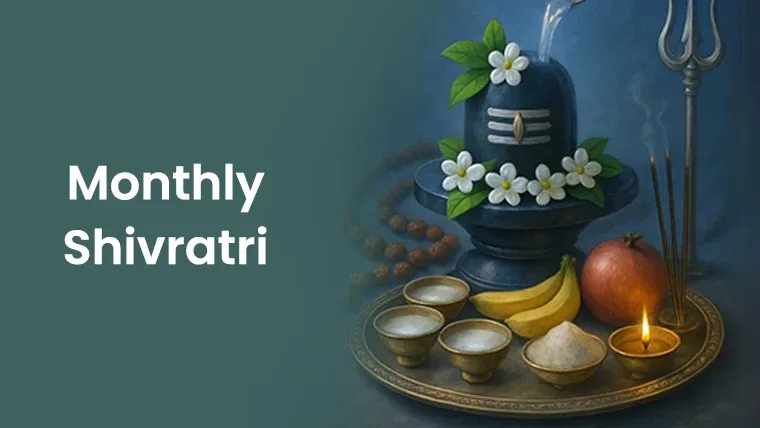
The mere mention of Shivratri brings a smile to the faces of all Shiva devotees. It is a special occasion to meditate and worship Lord Shiva. While Mahashivratri, which falls once a year, is considered the most significant, did you know that a special night that falls every month is also called Masik Shivratri?
On this date, millions of Shiva devotees observe a fast and worship Lord Shiva with complete devotion and faith. While Mahashivratri is celebrated once a year, Masik Shivratri is celebrated every month. The festival of Masik Shivratri gives you the opportunity to receive Lord Shiva's blessings every month.
So, let's find out when Masik Shivratri is in 2026. What is the proper method of worship and its true significance?
When is Masik Shivratri?
In the Hindu calendar, Masik Shivratri falls on the Chaturdashi Tithi of the Krishna Paksha (dark fortnight) of every month, i.e., the day before the new moon. This day is considered highly auspicious for the worship and adoration of Lord Shiva. Just like Mahashivratri, which occurs once a year, it is also special, except that it is celebrated every month. Therefore, it is also called a shorter version of Mahashivratri. Devotees believe that fasting and worshipping on this day absolves sins and brings happiness and prosperity in life.
Monthly Shivratri 2026 Date List
According to the Vedic calendar, Masik Shivratri in the year 2026 will fall on January 16, February 15, March 17, April 15, May 15, June 13, July 12, August 11, September 9, October 8, November 7, and December 7.
The list below provides the dates and special Muhurats of all Masik Shivratris in 2026, so that devotees can prepare in advance and receive the blessings of Lord Shiva.
| Festival | Date & Day | Auspicious Time |
|---|---|---|
| Monthly Shivratri | January 16, 2026 (Friday) | 12:04 AM to 12:58 AM (January 17) |
| Maha Shivratri | February 15, 2026 (Sunday) | 12:09 AM to 1:01 AM (February 16) |
| Monthly Shivratri | March 17, 2026 (Tuesday) | 12:05 AM to 12:53 AM (March 18) |
| Monthly Shivratri | April 15, 2026 (Wednesday) | 11:59 PM to 12:43 AM (April 16) |
| Monthly Shivratri | May 15, 2026 (Friday) | 11:56 PM to 12:38 AM (May 16) |
| Monthly Shivratri | June 13, 2026 (Saturday) | 12:01 AM to 12:41 AM (June 14) |
| Monthly Shivratri | July 12, 2026 (Sunday) | 12:07 AM to 12:47 AM (July 13) |
| Shravan Shivratri | August 11, 2026 (Tuesday) | 12:05 AM to 12:48 AM (August 12) |
| Monthly Shivratri | September 9, 2026 (Wednesday) | 11:55 PM to 12:41 AM (September 10) |
| Monthly Shivratri | October 8, 2026 (Thursday) | 11:44 PM to 12:33 AM (October 9) |
| Monthly Shivratri | November 7, 2026 (Saturday) | 11:39 PM to 12:31 AM (November 8) |
| Monthly Shivratri | December 7, 2026 (Monday) | 11:46 PM to 12:40 AM (December 8) |
Puja Rituals for Monthly Shivratri
The monthly Shivaratri fast is considered extremely sacred and disciplined. Devotees bathe in the morning, thoroughly clean the place of worship, and install an idol of Lord Shiva, or a Shivalinga, there.
According to the fasting rules, devotees observe a dry fast on this day, while some consume only fruits, milk, or a light meal.
After a day-long fast, the Shiva Abhishekam is performed in the evening. Offering water, milk, yogurt, honey, and Belpatra is considered highly auspicious.
During the Puja, the mantra "Om Namah Shivaya" is chanted, and the Shiva Purana or stories of Lord Shiva are recited. Many devotees stay awake all night and participate in Bhaan-Kirtan and Aarti, praising Shiva.
Lighting a lamp at night, offering flowers, fruits, and sweets are essential parts of the puja. Offering white clothes, dhatura, and sandalwood to Lord Shiva is especially helpful in appeasing him.
The fast is broken the next morning after performing puja, praying, and seeking forgiveness. This fast purifies the mind and soul, and brings positivity and peace into life.
Significance of Monthly Shivaratri
Monthly Shivaratri is not just a religious ritual, but also symbolizes the divine union of Shiva and Shakti. Shiva represents consciousness, and Shakti represents energy, and their union represents the balance of life and the universe.
This night is considered highly auspicious for spiritual practice and introspection. Since this date falls a day before the new moon, when the moon is almost gone from the sky, it is believed to be the best time to introspect, practice discipline, and transform oneself. Meditation on this night helps to purify and calm the mind, eliminating negativity.
Devotees observe a fast on this day and attempt to appease Lord Shiva by offering water, Bel leaves, incense, and lamps to the Shivalinga. It is believed that observing the monthly Shivratri fast with devotion and discipline brings health, prosperity, and success. Furthermore, this fast also paves the way to attain salvation. Devotees believe that worship performed with a true heart removes obstacles in life and fulfills desires.
Benefits of the Shivaratri Fast
The monthly Shivaratri fast is considered highly beneficial not only from a religious perspective but also in spiritual and personal life.
Strengthens Meditation: Regularly observing this fast increases inner peace, spiritual energy, and concentration. It strengthens the practitioner from within and empowers them to face life's challenges.
Well-being and Prosperity: The grace of Lord Shiva is believed to bless the devotees with good health and prosperity in their families. This fast eases difficult situations and paves the way for the fulfillment of desires.
Freedom from Sins: Fasting with devotion and faith not only dispels negativity and fear, but also lightens the burden of sins and karmas from past lives.
Attainment of Moksha: It is believed that the monthly Shivaratri fast helps one attain Moksha. When a devotee observes this fast every month with complete dedication and discipline, they gradually move towards liberation from the cycle of birth and death. This is why this fast is a unique opportunity for devotees to attain spiritual upliftment and divine grace.
Masik Shivratri is not just a religious ritual, but a spiritual opportunity to connect deeply with Lord Shiva each month. Observing this fast brings discipline to life, opens the path to prosperity, and experiences spiritual awakening. This is why this festival is considered so dear and important to devotees of Lord Shiva.
Festival List
- Nag Panchami
- Raksha Bandhan
- Janmashtami
- Ganesh Chaturthi
- Onam
- Pitru Paksha
- Shardiya Navratri
- Durga Puja
- Dussehra
- Karwa Chauth
- Dhanteras
- Diwali
- Govardhan Puja
- Bhai Dooj
- Chhath Puja
- Tulsi Vivah
- Guru Nanak Jayanti
- Christmas
- New year
- Lohri
- Pongal
- Makar Sankranti
- Vasant Panchami
- Shivratri
- Ramadan
- Holi
- Good Friday
- Navratri
- Gudi Padwa
- Ugadi
- Vaisakhi
- Ram Navami
- Mahavir Jayanti
- Hanuman Jayanati
- Buddha Purnima
- Akshay Tritiya
- Shani Jayanti
- Guru Purnima
- Hariyali Teej