


Thursday, October 15, 2026 Paksha:Shukla Tithi:Panchami

Friday, October 16, 2026 Paksha:Shukla Tithi:Shashthi
Friday, October 16, 2026 Paksha:Shukla Tithi:Shashthi

Friday, October 16, 2026 Paksha:Shukla Tithi:Shashthi
Friday, October 16, 2026 Paksha:Shukla Tithi:Shashthi
Friday, October 16, 2026 Paksha:Shukla Tithi:Shashthi
Saturday, October 17, 2026 Paksha:Shukla Tithi:Saptami

Saturday, October 17, 2026 Paksha:Shukla Tithi:Saptami
Saturday, October 17, 2026 Paksha:Shukla Tithi:Saptami

Sunday, October 18, 2026 Paksha:Shukla Tithi:Ashtami
Mahalaya Amavasya is one of the most sacred Amavasya observances in the Hindu calendar. Observed on the final day of Mahalaya Paksha (Pitru Paksha), it is considered the most auspicious time for performing Pitru Tarpan, Shraddha, and acts of charity.
In West Bengal, it also marks the beginning of Devi Paksha and the preparations for Durga Puja, making it a unique blend of ancestral remembrance, devotion, and festive anticipation.
Mahalaya Amavasya 2026: Date & Time
| 📅 Detail | Information |
|---|---|
| Mahalaya Amavasya Date | 10 October 2026 (Saturday) |
| Amavasya Tithi Begins | 09:35 PM on 9 October 2026 |
| Amavasya Tithi Ends | 09:19 PM on 10 October 2026 |
Mahalaya Amavasya 2026: Muhurat & Timings (IST)
| ⏰ Muhurat / Period | Timing (IST) |
|---|---|
| Rahu Kalam | 09:13 AM – 10:41 AM |
| Gulikai Kalam | 06:19 AM – 07:46 AM |
| Yamaganda | 01:35 PM – 03:02 PM |
| Abhijit Muhurat | 11:45 AM – 12:31 PM |
| Amrit Kalam | 03:36 PM – 05:14 PM |
| Also Known As | Sarva Pitru Amavasya, Sarvapitra Moksha Amavasya |
*Note: All timings are in IST for New Delhi and may vary by city. Since 2026 Mahalaya Amavasya falls on a Saturday, it also carries the significance of Shani Amavasya, making it doubly strong for both ancestral rites and Saturn-related remedies.
Also Check: Check upcoming Amavasya dates with exact timings and Tithi details.

What is Mahalaya Amavasya?
Mahalaya Amavasya falls on the last day of Mahalaya Paksha, also known as Pitru Paksha, the 15-day period dedicated to paying homage to ancestors. According to Hindu beliefs, this is the most auspicious day to perform Tarpan and Shraddha, as offerings made on this day are believed to reach all departed ancestors, even when their individual tithi is unknown.
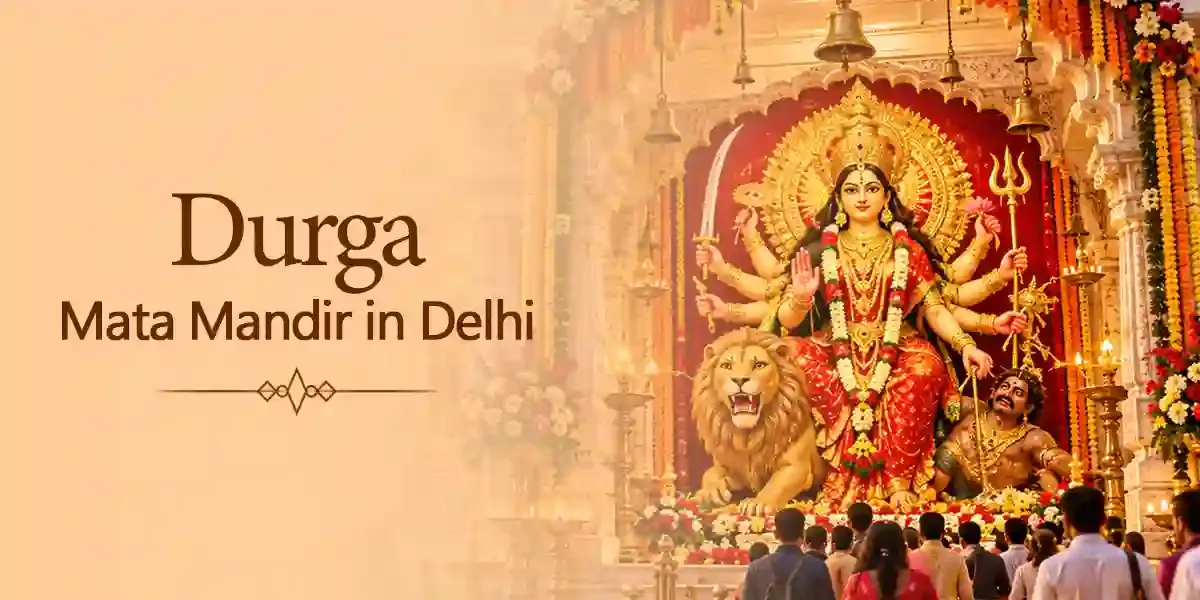
In eastern India, particularly in West Bengal, Mahalaya Amavasya holds special cultural significance. While it concludes Pitru Paksha, it also marks the beginning of Devi Paksha, symbolizing a spiritual transition from remembering ancestors to welcoming Goddess Durga.
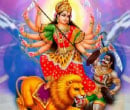
On this day, devotees ceremonially invoke Goddess Durga as she is believed to begin her annual journey to Earth.
Another unique Mahalaya tradition in Bengal is Chokkhu Daan, the ceremonial painting of Goddess Durga's eyes. Idol artisans complete the Goddess's eyes on this day, symbolizing her divine awakening before Durga Puja.
One of the most iconic traditions of Mahalaya is the pre-dawn broadcast of Mahishasura Mardini, a devotional programme featuring hymns and chants invoking Goddess Durga. For many Bengali households, listening to it marks the spiritual beginning of Durga Puja.
Mahalaya Amavasya Importance and Significance
The importance of Mahalaya Amavasya lies in its unique blend of spirituality, gratitude, and celebration. According to Hindu traditions, Pitru Paksha is dedicated to remembering departed ancestors, but Mahalaya Amavasya is considered the most sacred day of the fortnight.
It is believed that offerings made on this day reach all ancestors, even if their specific Shraddha tithi is unknown. This makes Mahalaya Amavasya a special occasion to express gratitude, seek ancestral blessings, and pray for family harmony.
In Bengali traditions, Mahalaya marks the beginning of Devi Paksha. Perhaps the greatest significance of Mahalaya is the way it unites Bengali communities across the world. Whether in Kolkata or overseas, people wake before dawn, listen to sacred recitations, pay gratitude to their ancestors, and eagerly await the arrival of Durga Puja.
Beyond its religious importance, Mahalaya Amavasya also celebrates the continuity of family traditions and cultural heritage. It reminds devotees to honor their roots, seek blessings from their ancestors, and prepare spiritually for the arrival of Goddess Durga and the festive season ahead.
Mahalaya Amavasya Rituals: How to Observe the Day
If you have been wondering what to do on Mahalaya Amavasya, here is a clear and practical guide.
Take a Holy Bath
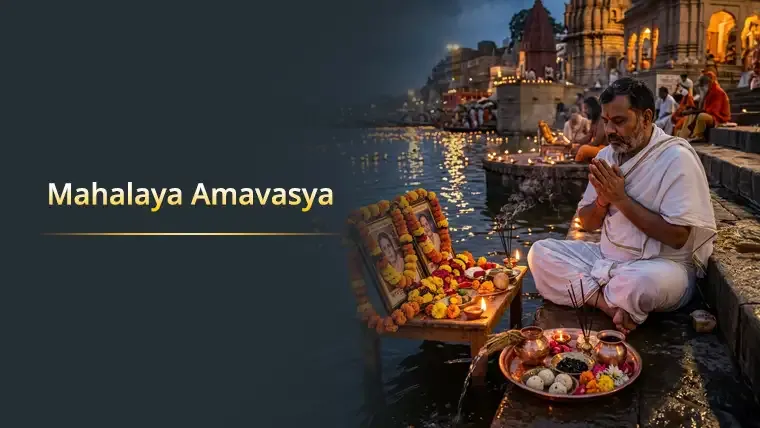
Devotees wake up early and take a bath before sunrise. Adding Gangajal to the bathing water is considered auspicious and symbolizes physical and spiritual purification.
Remember Your Ancestors
After bathing, devotees sit peacefully and remember their departed family members. Facing the south direction while offering prayers is considered traditional.
Perform Pitru Tarpan
Tarpan is the most important ritual of Mahalaya Amavasya. Water is offered in a copper vessel along with:
Black sesame seeds
Kusha grass
Rice (Akshat)
If the names of ancestors are unknown, prayers may be offered collectively for all departed souls.
Offer Tarpan at the Ganga
Performing Tarpan on the banks of the Ganga is regarded as especially auspicious. Many devotees believe that performing Tarpan in flowing water, especially the Ganga, enhances the spiritual merit of the offering. However, if visiting a river is not possible, devotees may perform the ritual at home with sincere devotion.
Light a Diya
In the evening, many families light a ghee lamp near the entrance of the house or beside the Tulsi plant. The lamp symbolizes remembrance, gratitude, and positive energy while prayers are offered for ancestral peace and family well-being.
How to Do Mahalaya Amavasya Pooja at Home
Many devotees wonder how to do Mahalaya Amavasya pooja at home. Fortunately, the observance can be simple and heartfelt.
Follow these steps:
Wake up before sunrise and take a holy bath.
Clean your prayer area.
Place a picture of your ancestors if available.
Light a diya and incense sticks.
Offer water mixed with black sesame seeds to your ancestors.
Offer silent prayers for the peace and blessings of your ancestors.
Offer fruits or simple sattvic food.
Pray for peace, prosperity, and the liberation of departed souls.
Feed birds or donate food after completing the prayers.
Dos and Don'ts on Mahalaya Amavasya
Below are some important things to keep in mind during Mahalaya Amavasya:
Things to Do:
If you are wondering what to do on Mahalaya Amavasya, these traditional practices are widely followed.
Begin the day by listening to devotional hymns or Mahalaya recitations.
Eat simple sattvic food.
Spend time in prayer, meditation, or remembrance after completing the day's rituals.
Gather with family to remember ancestors and welcome Devi Paksha.
Donate food, clothes, or essentials to those in need.
Prepare your home to welcome Goddess Durga by cleaning and decorating the prayer space.
Maintain a peaceful and positive mindset throughout the day.
Things to Avoid
Just as there are recommended practices, there are also certain customs that many families observe.
Avoid unnecessary arguments or anger.
Refrain from consuming alcohol or non-vegetarian food.
Avoid excessive celebrations that overshadow the day's spiritual significance.
Perform ancestral offerings with devotion, patience, and sincerity.
Maintaining purity in thoughts and actions is considered more important than performing elaborate rituals.
Mahalaya Amavasya Remedies
Several traditional practices are believed to enhance the spiritual benefits of Mahalaya Amavasya.
Perform Deep Daan
Lighting a ghee diya (lamp) during the evening is considered auspicious. Many devotees float lamps in flowing water, while others light them near the Tulsi plant or at the entrance of their homes. The lamp symbolizes reverence for ancestors and the welcoming of Goddess Durga. It is also regarded as a symbol of peace and auspiciousness within the home.
Use Black Sesame Seeds in Tarpan
Black sesame seeds hold special significance during Mahalaya rituals and are traditionally used while offering water to ancestors. Many consider this an auspicious act for the peace of the ancestors' souls.
Feed Crows
According to Hindu beliefs, crows represent ancestors. Offering the first portion of prepared food to crows is considered an act of gratitude and respect.
Worship the Peepal Tree
Offering water mixed with black sesame seeds to a Peepal tree and circumambulating it with devotion is regarded as a respectful way of honoring ancestors.
Final Words
Mahalaya Amavasya 2026 is an auspicious time to perform Pitru Tarpan, Shraddha, and charitable acts while seeking the blessings of departed ancestors. As it also marks the beginning of Devi Paksha, the day beautifully combines remembrance, devotion, and hope, making it one of the most significant observances in the Hindu calendar.
Want to understand how Mahalaya Amavasya, ancestral karma, and planetary influences may affect your life? Connect with Astroyogi's expert astrologers for personalized guidance and effective spiritual remedies. Call or Chat Now!
Festival List
- Nag Panchami
- Raksha Bandhan
- Janmashtami
- Ganesh Chaturthi
- Onam
- Pitru Paksha
- Shardiya Navratri
- Durga Puja
- Dussehra
- Karwa Chauth
- Dhanteras
- Diwali
- Govardhan Puja
- Bhai Dooj
- Chhath Puja
- Tulsi Vivah
- Guru Nanak Jayanti
- Christmas
- New year
- Lohri
- Pongal
- Makar Sankranti
- Vasant Panchami
- Shivratri
- Ramadan
- Holi
- Good Friday
- Navratri
- Gudi Padwa
- Ugadi
- Vaisakhi
- Ram Navami
- Mahavir Jayanti
- Hanuman Jayanati
- Buddha Purnima
- Akshay Tritiya
- Shani Jayanti
- Guru Purnima
- Hariyali Teej