



Tuesday, September 22, 2026 Paksha:Shukla Tithi:Ekadashi

Wednesday, September 23, 2026 Paksha:Shukla Tithi:Dvadashi
Wednesday, September 23, 2026 Paksha:Shukla Tithi:Dvadashi

Friday, September 25, 2026 Paksha:Shukla Tithi:Chaturdashi

Friday, September 25, 2026 Paksha:Shukla Tithi:Chaturdashi

Saturday, September 26, 2026 Paksha:Shukla Tithi:Purnima
Sunday, September 27, 2026 Paksha:Krishna Tithi:Prathama

Monday, September 28, 2026 Paksha:Krishna Tithi:Dvitiiya
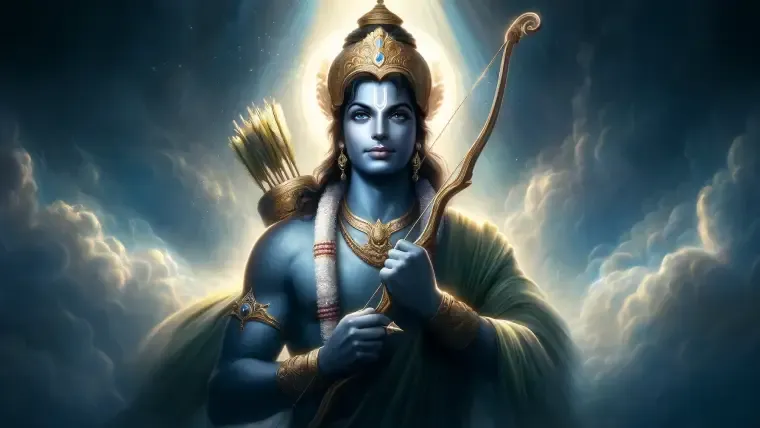
Ram Navami, also known as Sri Rama Navami, is a sacred Hindu festival celebrated by devotees across India with prayers, fasting, and devotion to Lord Rama. Ram Navami 2026 will be celebrated on Thursday, March 26.
Rama Navami 2027 Date & Time

Duration - 02 Hours 32 Mins
Navami Tithi Begins - 03:23 PM on Apr 14, 2027
Navami Tithi Ends - 01:20 PM on Apr 15, 2027
🗓️ Rama Navami 2026 Muhurat Details
📅 Festival Date: Thursday, March 26, 2026
🕉️ Rama Navami Madhyahna Muhurat: 11:13 AM to 01:40 PM
⏳ Muhurat Duration: 02 Hours 27 Minutes
⭐ Rama Navami Madhyahna Moment: 12:26 PM
🌙 Navami Tithi Timing
🌅 Navami Tithi Begins: 11:48 AM on March 26, 2026
🌙 Navami Tithi Ends: 10:06 AM on March 27, 2026
When is Ram Navami Celebrated in 2026?
Ram Navami in 2026 will be celebrated on Thursday, March 26, 2026, according to most Hindu Panchang.
According to Hindu mythology, the birth of Shri Rama took place at 12 PM (Madhya Kaal), which is why March 26 is widely accepted as the correct date for Sri Rama Navami 2026.
However, some people prefer to celebrate the festival as per the Uday Tithi, which falls on 27th March.
Also Check: 9th day of Navratri - Goddess, Color, Mantra And Puja Rituals
What is Ram Navami?
Ram Navami is a sacred Hindu festival that celebrates the birth of Lord Ram, who is considered one of the most respected deities in Hinduism. The festival falls on the ninth day of the Chaitra month as per the Hindu Panchang and is observed with devotion by millions of devotees across India and other parts of the world.
The meaning of Ram Navami comes from two words: "Ram," referring to Lord Ram, and "Navami," which means the ninth day. Devotees celebrate Rama Navami in many ways, like offering prayers, preparing dishes, visiting temples, and more.
Rama Navami Significance - Religious and Astrological
Rama Navami holds deep religious and astrological significance, and here is everything you need to know.
Religious Significance of Rama Navami
In all the traditional scriptures and recitals enumerating the mighty personality of Lord Rama, this festival holds a special significance. Even in one of the most revered books of the Hindus, namely the Ramayana, the story of Rama's birth sets the ball rolling towards the events that led to the victory of good over evil.
The event of Rama's birth story is known as Vratha Katha among the learned. It was after a lot of charity and religious deeds performed by King Dashratha and his three queens that Lord Rama was born as the heir to the Suryavanshi kingdom of Ayodhya. He is believed to be a Vishnu Avatar or incarnate and is the seventh incarnation of the creator amongst the trinity of Gods. It is for this reason his birth holds so much significance among the worshippers.
Astrological Significance of Rama Navami
In some parts of the country, Rama Navami marks the end of the Chaitra Navratri. It is thus celebrated for ten days starting from Chaitra Saptami up until Bahula Padyami that comes in the months of March or April as per the Gregorian calendar.
With the celebrations of the birth of Lord Rama, Chaitra Navratri ends, and this day coincides with the beginning of Gudi Padwa as it is called in Maharashtra and the Vasanthotsava, which is the spring festival celebrated in Karnataka, Tamil Nadu, Telangana, and Andhra Pradesh.
How is Ram Navami Celebrated?
Ram Navami is observed with great devotion across India. Devotees mark the festival with fasting, puja, bhajans, temple visits, and grand religious processions.
Here’s how the festivities of this day take place in different parts of India:
A Rath Yatra or Shobha Yatra with people dressed as Lord Rama, Goddess Sita, Hanuman, and Lord Lakshman is taken out in many parts of North India on this day.
On this sacred day, devotees take a dip in the sea and worship the gods in the Ramanathaswamy temple in Rameshwaram.
The wedding of Lord Rama and Goddess Sita is orchestrated in many temples of South India, and it is called the Sitarama Kalyanam ceremony.
Other than this, major festivities also take place in the following cities: Ayodhya in Uttar Pradesh, Ujjain in Madhya Pradesh, Sita Samahit Sthal in Bihar, and Bhadrachalam in Telangana.
How to Do Ram Navami Puja?
Devotees perform Ram Navami puja to seek the blessings of Lord Rama. The following steps can be followed:
Assemble the puja samagri and begin the puja by invoking Lord Ganesha.
Offer salutations to Vighnaharta before starting the worship of Lord Rama.
Begin with dhyana (meditation) and pray with folded hands.
Place the idol or picture of Shri Rama on a wooden chowki covered with a clean yellow cloth.
Light a ghee or oil lamp on the right side of the chowki.
Offer Gangajal at the feet of the deity and then perform arghya.
Offer kalava, janeu, fresh clothes, haldi, kumkum, chandan, fruits, and flowers.
Offer tulsi leaves and panchamrit, which are dear to Shri Rama.
Chant Vishnu Sahasranamam with devotion.
Light incense sticks and camphor.
Offer tamboolam made of coconut husk, supari, paan, banana, and dakshina.
Perform aarti to conclude the puja.
Mantras to Recite on Rama Navami With Meaning
1. “Shri Ram Jai Ram Jai Jai Ram”
Meaning: This mantra praises Lord Ram and seeks his blessings. It means Victory to Lord Ram, and chanting it is believed to bring peace, devotion, and protection from negative energies.
2. “Om Ramaye Ram Bhadrae Ram Chandraye Vedhse”
Meaning: This mantra is a prayer to Lord Ram in his different divine forms. It means Salutations to Lord Ram, the auspicious one, the son of King Dasharatha, and the all-knowing divine being who protects the world.
3. “Ram Ram Rameti Rame Raame Manorame Sahasranama Tatulyam Ram Naam Varanane”
Meaning: This verse means that chanting the name of Lord Ram once is equal to reciting the thousand names of Lord Vishnu. It highlights the power and purity of the name of Ram and its ability to give spiritual merit and peace.
Legends Associated with Ram Navami
As per the scriptures, the royal king Dashratha of Ayodhya and his three queens, Kaikeyi, Kaushalya, and Sumitra, wanted children. When they were unable to have children, Rishi Vashishth, the royal sage, advised them to perform the propitious Putra Kamesti Yajna to get an heir for the kingdom.
After the yajna was successfully completed, the three queens were given Kheer as prasad. All three queens soon conceived after the yajna on the ninth day of the auspicious Chaitra month. Soon after, Queen Kaushalya, the eldest queen, gave birth to Lord Rama, while Bharat was born to Kaikeyi, and Sumitra gave birth to Lakshman and Shatrughan.
Each individual should emulate the virtues showcased by Lord Rama and make an honest attempt to lead a virtuous life. The purity of his heart teaches us the true meaning of being divine, encouraging us to merge our human existence with his supreme self by following in his footsteps.
Festival List
- Nag Panchami
- Raksha Bandhan
- Janmashtami
- Ganesh Chaturthi
- Onam
- Pitru Paksha
- Shardiya Navratri
- Durga Puja
- Dussehra
- Karwa Chauth
- Dhanteras
- Diwali
- Govardhan Puja
- Bhai Dooj
- Chhath Puja
- Tulsi Vivah
- Guru Nanak Jayanti
- Christmas
- New year
- Lohri
- Pongal
- Makar Sankranti
- Vasant Panchami
- Shivratri
- Ramadan
- Holi
- Good Friday
- Navratri
- Gudi Padwa
- Ugadi
- Vaisakhi
- Ram Navami
- Mahavir Jayanti
- Hanuman Jayanati
- Buddha Purnima
- Akshay Tritiya
- Shani Jayanti
- Guru Purnima
- Hariyali Teej