


Wednesday, September 16, 2026 Paksha:Shukla Tithi:Shashthi
Thursday, September 17, 2026 Paksha:Shukla Tithi:Saptami
Thursday, September 17, 2026 Paksha:Shukla Tithi:Saptami
Thursday, September 17, 2026 Paksha:Shukla Tithi:Saptami
Friday, September 18, 2026 Paksha:Shukla Tithi:Saptami
Friday, September 18, 2026 Paksha:Shukla Tithi:Saptami

Saturday, September 19, 2026 Paksha:Shukla Tithi:Ashtami
Saturday, September 19, 2026 Paksha:Shukla Tithi:Ashtami
Saturday, September 19, 2026 Paksha:Shukla Tithi:Ashtami
Saturday, September 19, 2026 Paksha:Shukla Tithi:Ashtami
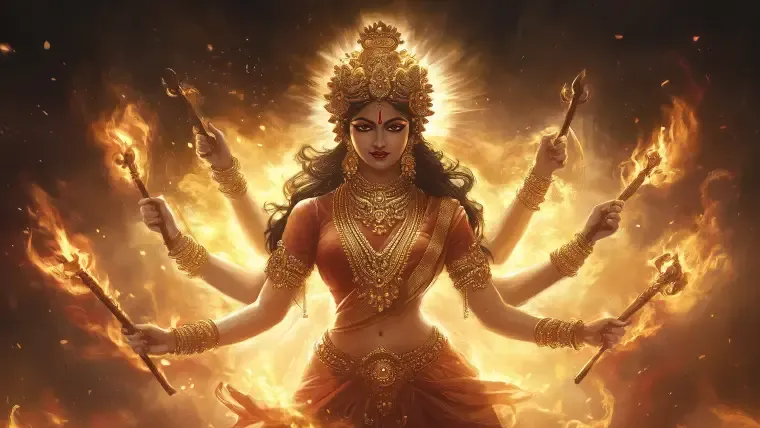
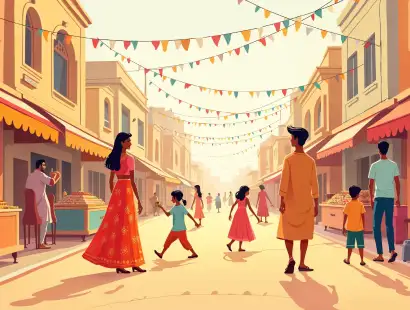
Chaitra Navratri is a vibrant nine-day Hindu festival that celebrates Goddess Durga and her nine forms, known as Navdurga. In 2026, Chaitra Navratri begins on March 19 (Thursday), spreading joy and devotion across the nation.
Chaitra Navratri 2027 Date & Time
Duration - 01 Hour 12 Mins
Pratipada Tithi Begins - 05:20 AM on Apr 07, 2027
Pratipada Tithi Ends - 04:28 AM on Apr 08, 2027
Chaitra Navratri 2026 Date and Muhurat
| Event | Date & Time |
|---|---|
| Chaitra Navratri Begins | Thursday, March 19, 2026 |
| Ghatasthapana Muhurat | 06:52 AM to 07:43 AM |
| Duration | 00 Hours 50 Minutes |
| Meena Lagna Begins | 06:26 AM on Mar 19, 2026 |
| Meena Lagna Ends | 07:43 AM on Mar 19, 2026 |
| Pratipada Tithi Begins | 06:52 AM on Mar 19, 2026 |
| Pratipada Tithi Ends | 04:52 AM on Mar 20, 2026 |
| Abhijeet Muhurat | 11:58 AM to 12:46 PM |
| Brahma Muhurat | 04:44 AM to 05:32 AM |
Important Navratri Dates
| Occasion | Date |
|---|---|
| Durga Ashtami | Friday, March 27, 2026 |
| Ram Navami | Saturday, March 28, 2026 |
Tithi Timings
| Tithi | Begins | Ends |
|---|---|---|
| Ashtami Tithi | 08:21 AM on Mar 26, 2026 | 10:38 AM on Mar 27, 2026 |
| Navami Tithi | 10:38 AM on Mar 27, 2026 | 12:09 PM on Mar 28, 2026 |
Special Muhurat
| Ritual | Muhurat |
|---|---|
| Sandhi Puja Muhurat | 10:14 AM to 11:02 AM (during Ashtami–Navami transition) |
Important Notes
- Ghatasthapana Muhurta falls during Dvi-Svabhava Meena Lagna.
- Ghatasthapana Muhurta falls on Amavasya Tithi due to skipped Pratipada.
What is Chaitra Navratri?
Chaitra Navratri is a sacred Hindu festival celebrated during the lunar month of Chaitra, which marks the beginning of the Hindu New Year in many parts of India. As the name suggests, the festival is observed for nine days (Nav + Ratri), during which devotees worship the nine divine forms of Goddess Durga with great devotion and faith.
This Navratri occurs during the spring season (Vasant Ritu) and usually falls in the months of March or April according to the Gregorian calendar. Each day of the festival is dedicated to a different manifestation of Goddess Shakti, and devotees perform prayers, fasting, and special rituals to seek blessings for prosperity, strength, and happiness.
Chaitra Navratri concludes on the ninth day with Ram Navami, the birth anniversary of
Lord Rama, which makes this Navratri especially significant in Hindu tradition.
This Navratri is also known as Vasant Navratri and is considered highly auspicious for new beginnings, spiritual growth, and worship of divine feminine energy.
Chaitra Navratri 2026 Dates, Tithi, Puja And Significance
As devotees worship the 9 forms of Durga for 9 days, each day carries a unique significance, offering them a chance to seek blessings for strength, prosperity, wisdom, and protection.
From the divine energy of Maa Shailputri on the first day to the blessings of Maa Siddhidatri on the final day, the festival is a blend of devotion, rituals, and spiritual awakening.
Dive into the detailed day-by-day schedule and tithi of Chaitra Navratri 2026 to align your prayers and rituals for maximum blessings during this holy festival.
| Date – Day | Tithi | Special Puja & Significance |
|---|---|---|
| March 19, 2026, Thursday | Pratipada (Shukla Paksha) | Ghatasthapana – Worship Maa Shailputri, the first form of Durga. Symbolizes strength and purity. |
| March 20, 2026, Friday | Dwitiya (Shukla Paksha) | Maa Brahmacharini Puja – Honors the goddess of devotion and penance. |
| March 21, 2026, Saturday | Tritiya (Shukla Paksha) | Maa Chandraghanta Puja – Invoke blessings for courage and harmony. |
| March 22, 2026, Sunday | Chaturthi (Shukla Paksha) | Maa Kushmanda Puja – Seek health, prosperity, and happiness from the creator of the universe. |
| March 23, 2026, Monday | Panchami (Shukla Paksha) | Maa Skandmata Puja – Blesses devotees with wisdom and salvation as the mother of Lord Kartikeya. |
| March 24, 2026, Tuesday | Shashti (Shukla Paksha) | Maa Katyayani Puja – Worshipped for marriage and relationship harmony. |
| March 25, 2026, Wednesday | Saptami (Shukla Paksha) | Maa Kalaratri Puja – Invoke protection from negativity and evil forces. |
| March 26, 2026, Thursday | Ashtami (Shukla Paksha) | Maa Mahagauri Puja & Kanya Pujan – Celebrate purity, peace, and blessings of young girls. |
| March 27, 2026, Friday | Navami (Shukla Paksha) | Maa Siddhidatri Puja – Concludes Navratri with blessings for success and divine powers. |
Chaitra Navratri Significance
There are both religious and astrological significances of Chaitra Navratri. This sacred festival is considered highly auspicious as it marks the beginning of a new spiritual cycle and the start of the Hindu New Year in many regions of India.
Religious Significance of Chaitra Navratri
Chaitra Navratri is dedicated to the worship of Goddess Durga, the divine form of Shakti, who represents power, protection, and creation. During these nine days, devotees worship the nine forms of the Goddess to seek blessings for health, prosperity, strength, and happiness.
According to Hindu beliefs, the worship of Goddess Durga during this period helps remove negative energies and brings peace and success in life. This Navratri also leads to the celebration of Lord Rama’s birth anniversary, Ram Navami, which makes this festival even more sacred.
Chaitra Navratri is also associated with the beginning of the Chaitra month, which is considered the first month of the Hindu lunar calendar. Therefore, this festival symbolizes new beginnings, spiritual growth, and divine blessings.
Astrological Significance of Chaitra Navratri
From an astrological point of view, Chaitra Navratri occurs during the spring season, when nature undergoes renewal and positive cosmic energy is believed to be very strong. This period is considered highly favorable for starting new ventures, performing religious rituals, and making important decisions.
Astrologers believe that these nine days are very auspicious, and many people perform puja, fasting, and spiritual practices to attract good fortune and remove obstacles from their lives.
The Kalash Sthapana performed on the first day of Navratri is believed to invite divine energy into the home, bringing peace, prosperity, and success throughout the year.
Chaitra Navratri Puja Vidhi
During Chaitra Navratri, devotees perform special rituals for nine days to seek the divine blessings of Goddess Durga. The puja begins with Ghatasthapana on the first day and continues until Navami, when Ram Navami is celebrated. Here’s the full list:
1. Ghatasthapana / Kalash Sthapana
Ghatasthapana marks the beginning of Chaitra Navratri and is performed on the first day during an auspicious muhurat. A sacred Kalash filled with water is placed on soil, and barley seeds are sown, symbolizing the arrival of Goddess Durga and the start of divine worship. Read more about Kalash Sthapana here.
2. Daily Durga Puja
During the nine days of Chaitra Navratri, devotees worship Goddess Durga every day by offering flowers, fruits, incense, and prayers. Chanting mantras and performing aarti daily is believed to bring peace, prosperity, and protection from negative energies.
3. Navdurga Worship (Day-wise Puja)
Each day of Navratri is dedicated to one of the nine forms of Goddess Durga, known as Navdurga. Devotees worship a different form every day to receive strength, wisdom, courage, and spiritual growth throughout the nine sacred days of the festival.
4. Navratri Vrat / Fasting
Many devotees observe fast during Chaitra Navratri to purify the mind and body. Apart from that it is believed fasting increases spiritual energy and devotion. However, a strict fasting routine is followed during these nine days, in which only specific sattvic foods are allowed while certain items are avoided to maintain purity.
Foods to eat during Navratri fast:
Fruits and dry fruits
Milk, curd, and paneer
Sabudana (sago)
Kuttu ka atta (buckwheat flour)
Singhara atta (water chestnut flour)
Potatoes, sweet potatoes, and pumpkin
Sendha namak (rock salt)
Foods to avoid during Navratri fast:
Wheat, rice, and regular flour
Onion and garlic
Non-vegetarian food
Alcohol and tobacco
Normal table salt
Processed or junk food
5. Akhand Jyoti
An Akhand Jyoti, or continuous sacred lamp, is lit on the first day of Navratri and kept burning for nine days. This flame symbolizes divine power, positivity, and protection. It is believed that the presence of the Akhand Jyoti brings peace and prosperity to the home.
6. Kanya Puja / Kumari Puja
On Ashtami or Navami, devotees perform Kanya Puja, where young girls are worshipped as the forms of Goddess Durga. They are offered food, gifts, and respect. This ritual is considered highly auspicious and is believed to complete the Navratri worship.
7. Ram Navami Puja
Chaitra Navratri concludes with Ram Navami, the birth anniversary of Lord Rama. Special prayers and bhajans are performed on this day, and devotees celebrate the victory of dharma and righteousness, making the final day of Navratri highly sacred.
8. Barley (Jau) Sowing Ritual
During Ghatasthapana, barley seeds are sown in soil near the Kalash. The growth of these seeds during the nine days is considered a sign of prosperity and good fortune. Healthy growth of barley is believed to indicate the blessings of Goddess Durga.
Chaitra Navratri Colors Associated With 9 Days
During the nine days of Chaitra Navratri, each day is dedicated to a different form of Goddess Durga, and every day is associated with a specific color. Wearing these colors is believed to bring positivity, peace, and divine blessings.
| Day | Goddess | Color | Significance |
|---|---|---|---|
| Day 1 | Maa Shailputri | White | Symbol of peace, purity, and calmness. |
| Day 2 | Maa Brahmacharini | Red | Represents love, energy, and strength. |
| Day 3 | Maa Chandraghanta | Royal Blue | Symbolizes power, courage, and peace. |
| Day 4 | Maa Kushmanda | Yellow | Represents happiness, brightness, and positivity. |
| Day 5 | Maa Skandamata | Green | Symbol of growth, prosperity, and harmony. |
| Day 6 | Maa Katyayani | Grey | Represents balance, stability, and patience. |
| Day 7 | Maa Kalaratri | Orange | Symbol of creativity, courage, and positive energy. |
| Day 8 | Maa Mahagauri | Peacock Green / Pink | Represents enthusiasm, purity, and harmony. |
| Day 9 | Maa Siddhidatri | Pink / Purple | Symbol of wisdom, spirituality, and success. |
Chaitra Navratri is a powerful time for new beginnings and spiritual growth. Talk to an astrologer on Astroyogi to know how this Navratri will influence your horoscope and what remedies can bring you success and prosperity.
Legends Associated with Navratri
As per the scriptures, Lord Rama invoked Durga Mata to seek her blessings before going to war against the demon king Ravana. This ultimate invocation by Lord Rama to awaken Goddess Durga from her slumber during the Navratri days is referred to as Akal Bodhan of Shakti.
It is for this reason that this Navratri, among the four Navratris, namely, Ashadha Gupt Navratri, Chaitra Navratri, Sharad Navratri, and Magha Navratri, holds so much significance.
The festival is extremely important to Hindus all around the world, and the nine days enable devotees to exhibit their devotion and sincerity towards the Goddess with increased enthusiasm.
Festival List
- Nag Panchami
- Raksha Bandhan
- Janmashtami
- Ganesh Chaturthi
- Onam
- Pitru Paksha
- Shardiya Navratri
- Durga Puja
- Dussehra
- Karwa Chauth
- Dhanteras
- Diwali
- Govardhan Puja
- Bhai Dooj
- Chhath Puja
- Tulsi Vivah
- Guru Nanak Jayanti
- Christmas
- New year
- Lohri
- Pongal
- Makar Sankranti
- Vasant Panchami
- Shivratri
- Ramadan
- Holi
- Good Friday
- Navratri
- Gudi Padwa
- Ugadi
- Vaisakhi
- Ram Navami
- Mahavir Jayanti
- Hanuman Jayanati
- Buddha Purnima
- Akshay Tritiya
- Shani Jayanti
- Guru Purnima
- Hariyali Teej