




Thursday, October 8, 2026 Paksha:Krishna Tithi:Trayodashi

Thursday, October 8, 2026 Paksha:Krishna Tithi:Trayodashi

Friday, October 9, 2026 Paksha:Krishna Tithi:Chaturdashi

Saturday, October 10, 2026 Paksha:Krishna Tithi:Amavasya


Sunday, October 11, 2026 Paksha:Shukla Tithi:Prathama


Monday, October 12, 2026 Paksha:Shukla Tithi:Dvitiiya

Wednesday, October 14, 2026 Paksha:Shukla Tithi:Chaturthi
Gatari Amavasya is a unique and culturally significant observance celebrated primarily in Maharashtra on the last day of the Ashadha month, just before the beginning of the holy Shravan month.
Unlike many other Amavasyas that focus mainly on fasting and spiritual practices, Gatari Amavasya is widely known as a day of celebration, family gatherings, and the enjoyment of delicious meals before devotees begin observing the dietary restrictions associated with Shravan.
Let’s find out when Gatari Amavasya falls in 2026, why it is celebrated, the key rituals performed, and useful tips to observe the day with devotion.
When is Gatari Amavasya in 2026? Date and Time
Gatari Amavasya in 2026 will be observed on 12 August 2026. Below are key Amavasya Tithi timing details.
| Event | Date & Time (IST) |
|---|---|
| 📅 Gatari Amavasya Date | 12 August 2026 (Wednesday) |
| 🌑 Amavasya Tithi Begins | 01:52 AM, 12 August 2026 |
| ⏳ Amavasya Tithi Ends | 11:06 PM, 12 August 2026 |
Note: Panchang timings are based on Indian Standard Time (IST) and may vary slightly depending on your location. Always check your local Panchang for precise muhurats before planning rituals.
Looking for other Amavasya dates? Explore the complete Amavasya Dates Calendar to find all monthly Amavasya dates, tithis, and timings for the year.
What is Gatari Amavasya?
Gatari Amavasya is observed on the Amavasya Tithi of the Ashadha month according to the Marathi lunar calendar. It falls just one day before the beginning of the sacred Shravan month, a period considered highly auspicious for worshiping Lord Shiva, Lord Vishnu, and various other deities.
Once Shravan arrives, observant Hindus across Maharashtra abstain from non-vegetarian food, alcohol, and several other indulgences for the better part of the next month, devoting themselves instead to prayer, fasting, and simple living. Gatari Amavasya, then, becomes the final opportunity to enjoy their favorite foods and festivities before that period of restraint begins.
Although the day has gained popularity for festive meals, its deeper significance lies in preparing oneself spiritually and emotionally for a month of discipline, devotion, and religious observance.
What is Gatari Amavasya Called in Different States in India?
While Gatari Amavasya is the name most associated with Maharashtra and Goa, this same Tithi is celebrated under different names across the country:
| Name of Amavasya | State/Region |
|---|---|
| Hariyali Amavasya | Uttar Pradesh, Rajasthan, Himachal Pradesh |
| Chukkala Amavasya | Andhra Pradesh, Telangana |
| Bheemana Amavasya | Karnataka |
| Adi Amavasai | Tamil Nadu |
Note: The holy month of Shravan (Sawan) in 2026 runs from 30 July 2026 to 28 August 2026 in North India (Purnimant calendar), and from 13 August 2026 to 11 September 2026 in South and West India (Amanta calendar)
Also Read: What is Amavasya? Understanding Its Meaning, Science, and Significance
Traditions and Rituals Associated with Gatari Amavasya
Although customs differ across families and regions, several traditions are commonly observed on Gatari Amavasya.
Morning Rituals and Pitru Tarpan
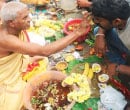
Devotees who wish to honor their ancestors (Pitru) typically begin with an early bath, followed by Tarpan, in which water, black sesame seeds, and prayers are offered while facing south—the direction associated with Pitru Lok.
Performing this ritual sincerely is believed to bring peace to ancestral souls and help remove obstacles associated with ancestral karmic debts within the family.
Family Feast
The most popular tradition is preparing elaborate meals at home. Many households prepare traditional Maharashtrian dishes along with favorite recipes. Families and friends gather to enjoy lunch or dinner together before observing Shravan's dietary practices.
While the festive meal is a highlight, the true spirit of Gatari Amavasya lies in celebrating togetherness before the month of spiritual discipline begins.
Cleaning and Preparing the Home
Some families clean their homes and home temples in preparation for Shravan month. Fresh flowers, lamps, and devotional items are arranged so that religious observances can begin the following day smoothly.
Temple Visits
Many devotees visit nearby temples on Gatari Amavasya to seek blessings before the holy month begins. Prayers are offered for good health, family harmony, prosperity, and spiritual growth.
Charity and Helping Others
Acts of charity are considered highly auspicious on any Amavasya. Offering food, clothes, or money to those in need, feeding cows or birds, and supporting religious institutions are all considered meritorious on this day.
Spiritual Significance of Gatari Amavasya
While Gatari Amavasya is often associated with festive dining, it also carries important spiritual symbolism.
Preparing for Shravan
The day serves as a reminder that spiritual discipline often begins with conscious choices. Many devotees use this occasion to prepare themselves mentally for regular prayers, fasting, self-control, simplicity, and increased devotion.
Letting Go of Old Habits
Just as Amavasya marks the end of a lunar cycle, Gatari Amavasya symbolizes leaving behind unhealthy habits and beginning a more disciplined lifestyle during Shravan. For many people, it becomes an opportunity to adopt healthier routines, cultivate positive thoughts, and strengthen their spiritual practices.
A Time for Gratitude
The gathering of family and friends symbolizes gratitude for food, relationships, and life's blessings. Sharing meals together reinforces family bonds before everyone begins observing the disciplined month of Shravan.
As you prepare to welcome the sacred month of Shravan, discover what this spiritually significant period has in store for your life. Connect with Astroyogi's expert astrologers for personalized guidance today.
Festival List
- Nag Panchami
- Raksha Bandhan
- Janmashtami
- Ganesh Chaturthi
- Onam
- Pitru Paksha
- Shardiya Navratri
- Durga Puja
- Dussehra
- Karwa Chauth
- Dhanteras
- Diwali
- Govardhan Puja
- Bhai Dooj
- Chhath Puja
- Tulsi Vivah
- Guru Nanak Jayanti
- Christmas
- New year
- Lohri
- Pongal
- Makar Sankranti
- Vasant Panchami
- Shivratri
- Ramadan
- Holi
- Good Friday
- Navratri
- Gudi Padwa
- Ugadi
- Vaisakhi
- Ram Navami
- Mahavir Jayanti
- Hanuman Jayanati
- Buddha Purnima
- Akshay Tritiya
- Shani Jayanti
- Guru Purnima
- Hariyali Teej