


Tuesday, September 15, 2026 Paksha:Shukla Tithi:Panchami
Wednesday, September 16, 2026 Paksha:Shukla Tithi:Shashthi

Thursday, September 17, 2026 Paksha:Shukla Tithi:Saptami
Thursday, September 17, 2026 Paksha:Shukla Tithi:Saptami
Thursday, September 17, 2026 Paksha:Shukla Tithi:Saptami
Friday, September 18, 2026 Paksha:Shukla Tithi:Saptami
Friday, September 18, 2026 Paksha:Shukla Tithi:Saptami

Saturday, September 19, 2026 Paksha:Shukla Tithi:Ashtami
Saturday, September 19, 2026 Paksha:Shukla Tithi:Ashtami
Saturday, September 19, 2026 Paksha:Shukla Tithi:Ashtami
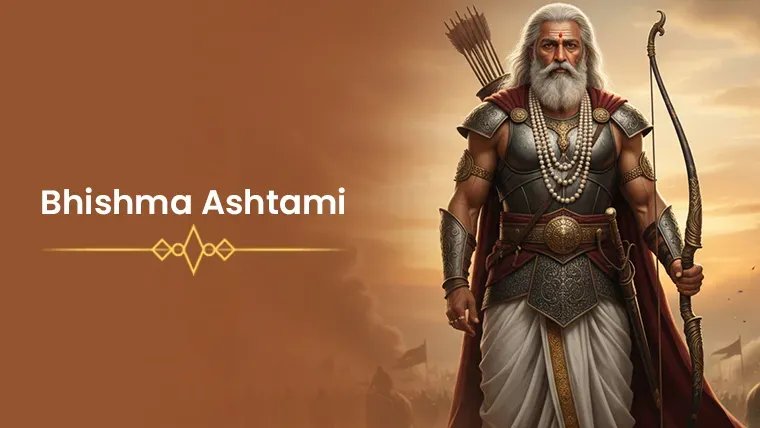
Bhishma Ashtami is a sacred Hindu observance day dedicated to honoring Bhishma Pitamaha, one of the most revered characters from the Mahabharata. It happens every year in late January or early February, during a specific time in the Hindu calendar. This day marks when Bhishma, lying on a bed of arrows after the Kurukshetra war, finally left his mortal body and attained moksha (liberation). He waited on the bed of arrows for 58 days until the sun began its northward journey (Uttarayana), the most auspicious time to leave the body. Bhishma Ashtami celebrates that moment of his liberation. Now lets dive deeper into when it will be observed in 2026, its significance, and the ritual of honoring ancestors.
Date & Time

Bhishma Ashtami 2026 Date and Timings
Bhishma Ashtami 2026 will be observed on January 25, 2026 (Sunday).
The exact timings for rituals:
Ashtami Tithi Begins: January 25, 2026, at 11:40 AM
Ashtami Tithi Ends: January 26, 2026, at 09:47 AM
Best Time for Tharpanam: Madhyahna Time – 11:30 AM to 01:38 PM on January 25, 2026
Duration of Madhyahna: 2 Hours 08 Minutes
Bhishma Ashtami Significance
The significance of this day goes way beyond just remembering Bhrishma from the Mahabharat. Here’s why.
Day of Bhishma's Liberation: This is the actual day when Bhishma left his physical body after waiting 58 days on the bed of arrows.
Honoring Unwavering Devotion: Bhishma represents someone who kept every single promise he made, no matter how difficult. He gave up his right to the throne, took a vow of celibacy, and remained loyal to his word throughout his life. The day celebrates that level of commitment and integrity.
Ancestor Worship (Pitru Tarpan): Bhishma Ashtami is considered an ideal day for performing tharpanam to honor ancestors. Since Bhishma himself became an ancestor on this day, it's believed that offerings made now reach departed souls easily.
Learning from the Dying Wisdom: During those 58 days on the arrow bed, Bhishma delivered some of the most profound teachings on dharma, politics, leadership, and spirituality to Yudhishthira and others. These teachings form the "Bhishma Parva" section of the Mahabharata. The day reminds us to seek and value wisdom, especially from elders.
Victory of Dharma: Though Bhishma fought on the "wrong" side (Kauravas) due to his loyalty oath, he ultimately acknowledged Dharma's victory when the Pandavas won. His death marks the moment when dharma finally prevailed completely.
Power of Right Timing: Bhishma's choice to wait for Uttarayana teaches the importance of timing in spiritual matters. Some things should be done at the right moment for maximum benefit.
Now, let’s see the most important ritual that people perform on this day and how you can also do it.
Bhishma Ashtami Tharpanam: The Sacred Ritual
The Bhishma Ashtami tharpanam is a ritual where you offer water (usually mixed with sesame seeds, rice, and sacred grass) to departed ancestors and souls.
It's believed to provide relief to the souls in their afterlife journey and bring blessings to the family.
Since Bhishma himself became a pitru (ancestor) on this day, it's considered especially powerful for ancestor worship. The belief is that offerings made on Bhishma Ashtami reach not just your own ancestors but all departed souls who may need spiritual assistance.
How to Perform Bhishma Ashtami Tharpanam
What You Need:
Clean traditional clothes (preferably white)
Black sesame seeds (til)
Rice grains
Kusha grass (darbha grass)
Water (preferably from a holy river)
Copper or bronze vessel
Sacred thread (yajnopavita) if you wear one
The Process:
Take a Holy Dip: Wake up early and bathe, preferably in a river, sea, or holy water body. If not possible, bathe at home with the intention of purification.
Wear Clean Clothes: Put on fresh, clean clothes. Traditional practitioners wear white.
Face South: Tharpanam for ancestors is done facing south (Pitru direction).
Prepare the Mixture: Mix water with black sesame seeds in your vessel.
Make Offerings: Taking small amounts of water in your right palm, offer it while chanting mantras for your ancestors. The water is released slowly, letting it flow through your fingers.
Chant Mantras:
For ancestors: "Om Pitru Devatabhyo Namaha."
Specifically for Bhishma: "Bhishma Pitamaha Namaha"
General: "Om Tarpayami" (I am satisfying/pleasing you)
Offer Three Times: Typically, three palmfuls of water are offered for each ancestor or group being honored.
Remember Bhishma: Specifically offer tharpanam to Bhishma Pitamaha, acknowledging his sacrifice and wisdom.
Complete with a prayer: End with a prayer asking for peace for all departed souls and blessings for your family.
Important Notes:
Women can also perform tharpanam in many traditions, though some orthodox practices restrict it. Check with your family tradition or spiritual guide.
If you don't know the proper mantras, sincere intention matters more than perfect pronunciation.
Many people hire priests to perform elaborate tharpanam on their behalf, especially if they're unfamiliar with the rituals.
While performing the Bhishma Ashtami Tharpanam can bring immense peace to your ancestors, ensuring the rituals align with your specific family traditions and horoscope is crucial.
If you have questions about Pitru Dosh or need personalized guidance on how to perform these remedies correctly, talk to an astrologer on Astroyogi today.
Bhishma Ashtam: Modern Relevance
In our fast-paced time, where traditions are fading and family connections are weakening, Bhishma Ashtami serves as an annual reminder to pause and remember.
Remember those who came before us. Remember that our actions today become the legacy of tomorrow.
Bhishma's choice to wait for the right moment also speaks to our impatience-driven culture. Not everything needs to happen right now. Some things are worth waiting for.
Festival List
- Nag Panchami
- Raksha Bandhan
- Janmashtami
- Ganesh Chaturthi
- Onam
- Pitru Paksha
- Shardiya Navratri
- Durga Puja
- Dussehra
- Karwa Chauth
- Dhanteras
- Diwali
- Govardhan Puja
- Bhai Dooj
- Chhath Puja
- Tulsi Vivah
- Guru Nanak Jayanti
- Christmas
- New year
- Lohri
- Pongal
- Makar Sankranti
- Vasant Panchami
- Shivratri
- Ramadan
- Holi
- Good Friday
- Navratri
- Gudi Padwa
- Ugadi
- Vaisakhi
- Ram Navami
- Mahavir Jayanti
- Hanuman Jayanati
- Buddha Purnima
- Akshay Tritiya
- Shani Jayanti
- Guru Purnima
- Hariyali Teej