


Friday, October 2, 2026 Paksha:Krishna Tithi:Saptami
Friday, October 2, 2026 Paksha:Krishna Tithi:Saptami
Saturday, October 3, 2026 Paksha:Krishna Tithi:Ashtami
Saturday, October 3, 2026 Paksha:Krishna Tithi:Ashtami
Saturday, October 3, 2026 Paksha:Krishna Tithi:Ashtami
Saturday, October 3, 2026 Paksha:Krishna Tithi:Ashtami
Sunday, October 4, 2026 Paksha:Krishna Tithi:Navami
Monday, October 5, 2026 Paksha:Krishna Tithi:Dashami
Tuesday, October 6, 2026 Paksha:Krishna Tithi:Ekadashi
Tuesday, October 6, 2026 Paksha:Krishna Tithi:Ekadashi
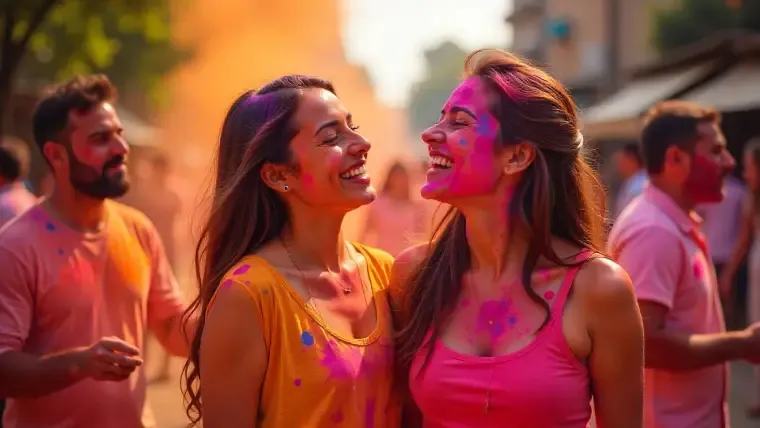
Holi, the festival of colors, celebrates joy, togetherness, and the arrival of spring after the cold winter months. It is observed on the full moon day (Purnima) in the Hindu month of Phalguna, usually in March, and also marks the start of the harvest season. In 2026, Holi will be celebrated on Wednesday, March 4, 2026.
Holi 2027 Date & Time
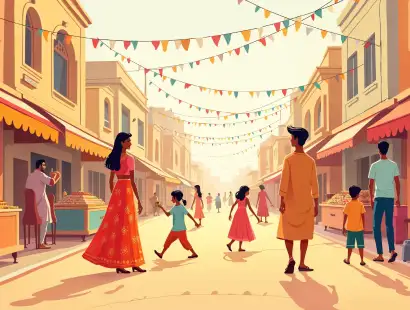
Purnima Tithi Begins - 06:21 PM on Mar 21, 2027
Purnima Tithi Ends - 04:13 PM on Mar 22, 2027
Holi 2026: About the Festival
Considered to be one of the most celebrated festivals in the country, this festival is eagerly awaited in most parts of the nation. People get together with their near and dear ones, forgetting all forms of resentment and celebrating this "festival of love."
Starting on the eve of Purnima, which is the day of the full moon, in the month of Phalguna, this festival is celebrated with great excitement. The evening is peppered with festivities surrounding the Holika Dahan, or as it is also known, Choti Holi, a sacred ritual that involves lighting a bonfire to signify the victory of good over evil. People gather around the fire, offer prayers, and celebrate with traditional songs and rituals.
The next day begins with a splash of colors that drenches people in different shades, much like the multiplicity of our country that makes us unique yet one and the same.
Furthermore, the vibrant colors add an element of happiness and positivity to our lives, enabling everyone to rejoice in the playful events of the day. The evenings are usually marked by get-togethers where people come together to enjoy delectable dishes like gujiya, malpuas, mathri, papads, and chips, making cherishable memories for the future.
Significance of the Holi Festival
Holi celebrations mark the arrival of not only spring but also the harvest season. With the winter season and the icy weather bidding adieu, a new dawn of spring breaks, filling the hearts of everybody with renewed hope and vigor for the new year.
Talking about the Holi festival history, it takes us back to the ancient Puranas and sacred scriptures that make references to the celebrations of this day in great detail. The famous Dasakumara Charita, as well as the renowned poet Kalidasa, makes references to this festival during the reign of Chandragupta the Second, around the 4th century.
As per the traditions, this day symbolizes ridding oneself of the sins of the past while also putting an end to conflicts that engulf our lives with negativity. This day marks the victory of justice over evil, and it celebrates the spirit of forgiveness to ensure greater harmony in society.
Astrological Significance of the Holi Festival
In Vedic astrology, Holi is considered a highly powerful and spiritually significant day. It is believed to be an ideal time to cleanse negative energies and invite positivity, protection, and emotional strength into one’s life. Many people observe prayers and rituals on this day to remove fears, obstacles, and unwanted influences.
Devotees are especially encouraged to worship Lord Hanuman, as he is regarded as a symbol of courage, protection, and strength. Offering jaggery and tying a black thread (yarn) at a Hanuman temple is traditionally believed to help guard against negativity, evil influences, and personal difficulties.
Astrologically, Holi also falls close to an important seasonal transition around the March equinox, when day and night begin to balance. Celebrated on the last full moon (Purnima) of the lunar month of Phalguna, the festival marks a powerful cosmic shift, symbolizing renewal, harmony, and the victory of light over darkness.
Rituals Associated with Holi
There are several different rituals associated with this propitious festival. Here we mention the most prominent rituals of the day:
A day before the festival of colors, a wooden pile is assembled and burnt at every crossroad for Holika Dahan.
Kids play pranks trying to chase away the evil Dhundhi, who once scared little children in the Kingdom of Prithu.
On the day of the festival known as Dhulandi, people play with colors, especially in the Northern parts of the country. Using pichkaris and water balloons, people celebrate the day with enthusiasm and dancing.
A special drink made out of dry fruits and milk is prepared on this occasion. This drink is famously known as thandai, and it is often laced with bhang to heighten the spirit of the people.
People in the southern parts of the country pay a visit to Kaamdev, the god of love, on this day. Like this, Holi is celebrated with its own flavor in each state of India.
How is Holi Celebrated in Different Parts of the Country?
The festival is celebrated all around the country, but the name changes. The spirit of the people, however, remains equally vibrant regardless of the geographical location. Let’s take a look:
Lathmar Holi: Holi is celebrated in Mathura as Barsana Holi to commemorate the pranks played by Lord Krishna to trouble the gopis. Women in the city hit the men with sticks on this day to observe the ancient tradition of the gopis punishing Krishna for his mischief.
Rangpanchami: In Maharashtra, the festival of color is called Rangpanchami, where people perform special dances that help them release their pent-up emotions, ridding them of all negative emotions.
Basant Utsav: People in West Bengal celebrate this festival under the name "Basant Utsav." Started by the Nobel laureate, Rabindranath Tagore, this spring festival is celebrated with complete serenity and joy.
Hola Mohalla: In the state of Punjab, this day is celebrated by organizing a huge fair at Anandpur Sahib, where mock battles are held to consolidate the Sikh community since ancient times.
Kaman Pandigai: In Tamil Nadu, people celebrate the sacrifice of Kaam Dev to wake Lord Shiva from deep meditation because the world was immersed in chaos, on the day of this festival.
Phagu Purnima: In some states, like Bihar, the festival is celebrated as Phagu Purnima.
Celebrate Holi by inviting positivity into your life. Talk to an astrologer on Astroyogi today to overcome obstacles, gain clarity, and start your journey toward success.
Final Words - Celebrate Holi With Heart!
Holi is more than just a festival of colors; it is a celebration of joy, renewal, and togetherness. It reminds us to let go of negativity, embrace positivity, strengthen relationships, and welcome new beginnings with warmth, happiness, and a vibrant spirit. Happy Holi!
Festival List
- Nag Panchami
- Raksha Bandhan
- Janmashtami
- Ganesh Chaturthi
- Onam
- Pitru Paksha
- Shardiya Navratri
- Durga Puja
- Dussehra
- Karwa Chauth
- Dhanteras
- Diwali
- Govardhan Puja
- Bhai Dooj
- Chhath Puja
- Tulsi Vivah
- Guru Nanak Jayanti
- Christmas
- New year
- Lohri
- Pongal
- Makar Sankranti
- Vasant Panchami
- Shivratri
- Ramadan
- Holi
- Good Friday
- Navratri
- Gudi Padwa
- Ugadi
- Vaisakhi
- Ram Navami
- Mahavir Jayanti
- Hanuman Jayanati
- Buddha Purnima
- Akshay Tritiya
- Shani Jayanti
- Guru Purnima
- Hariyali Teej