



Friday, October 16, 2026 Paksha:Shukla Tithi:Shashthi
Friday, October 16, 2026 Paksha:Shukla Tithi:Shashthi

Friday, October 16, 2026 Paksha:Shukla Tithi:Shashthi
Friday, October 16, 2026 Paksha:Shukla Tithi:Shashthi
Friday, October 16, 2026 Paksha:Shukla Tithi:Shashthi
Saturday, October 17, 2026 Paksha:Shukla Tithi:Saptami

Saturday, October 17, 2026 Paksha:Shukla Tithi:Saptami
Saturday, October 17, 2026 Paksha:Shukla Tithi:Saptami
Sunday, October 18, 2026 Paksha:Shukla Tithi:Ashtami
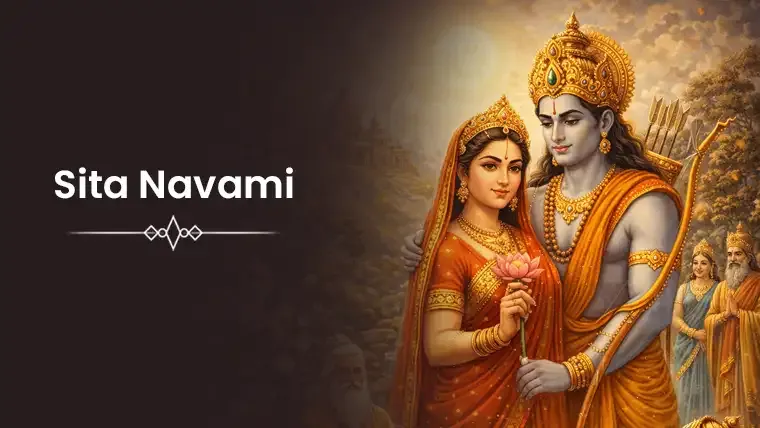
Sita Navami is a sacred Hindu observance dedicated to Goddess Sita, the divine consort of Lord Rama and one of the most respected figures in the Ramayana. The day marks the appearance of Goddess Sita on Earth and is observed with prayers, fasting, scripture reading, and devotion.
Sita Navami 2026 Date and Timing
In 2026, Sita Navami will be observed on Saturday, April 25th, which, as per the Hindu panchang, is the Navami tithi (ninth lunar day) of Shukla Paksha in the Vaishakha month.
Here are details on the auspicious muhurat and tithi timings:
📅 Sita Navami Date: Saturday, April 25, 2026
🕉 Madhyahna Puja Muhurat: 11:00 AM – 01:38 PM (Duration: 2 Hours 37 Minutes)
🌙 Navami Tithi Begins: 07:21 PM on April 24, 2026
🌙 Navami Tithi Ends: 06:27 PM on April 25, 2026
⚠️ Note: Note: Exact tithi timings may vary depending on city and local Panchang calculations, so worshippers should check their regional muhurat closer to the date.
Why does timing matter? Hindu rituals are often aligned with lunar energy. So, performing puja during the proper tithi or period is considered spiritually beneficial.
Why is Sita Navami Celebrated?
Sita Navami is celebrated to honor the goddess and the values associated with her life. They are:
Purity in Thought and Conduct: Teaches that a peaceful and respected life is built through honesty, disciplined choices, and intentions rooted in goodness rather than selfish motives.
Patience During Hardship: Showing her followers that challenges do not last forever and calm endurance often becomes the strongest response in difficult circumstances.
Loyalty and Devotion: Reminding families and individuals that trust, commitment, and sincerity are essential for lasting relationships and emotional stability.
Compassion and Kindness: Encouraging people to support others, speak gently, and create harmony through empathy in everyday interactions.
Inner Courage and Resilience: Proving that strength is not always loud or aggressive but can be expressed through dignity, control, and wise action.
Commitment to Dharma: Inspiring people to choose moral responsibility and righteous action even when easier or more convenient options are available.
Spiritual Significance of Goddess Sita
Goddess Sita is a revered divine figure and a living embodiment of sacred balance. She represents the union of strength and softness, humility and authority, devotion and self-respect. This stability is what gives her worship lasting spiritual relevance.
She is also closely associated with Bhumi Shakti (the power of Earth). Because of her emergence from the Earth, devotees see her as a source of grounding energy, stability, fertility, nourishment, and emotional steadiness. Many pray to her when life feels unstable or mentally exhausting.
In spiritual practice, Goddess Sita is believed to purify the heart. Her remembrance encourages release from resentment, emotional heaviness, and ego-driven reactions. This is why her worship is considered beneficial for inner healing and mental clarity.
She also symbolizes silent tapasya, the strength developed through endurance, discipline, and truthfulness without seeking praise or recognition. For seekers, this becomes a reminder that spiritual growth often happens quietly through consistent character.
Another unique aspect of her significance is the sacred partnership. Worshipping Sita and Rama together represents harmony between wisdom and compassion, responsibility and love, action and values.
For many devotees, connecting with Goddess Sita is a way to invite steadiness, grace, and spiritual maturity into daily life.
Sita Navami Puja Vidhi (Step-by-Step)
When it comes to praying to Goddess Sita, devotees can observe Sita Navami at home or in a temple. Here’s the puja vidhi you need to follow:
Wake up early and take a bath.
Clean the puja area or home temple.
Place an image or idol of Sita-Rama.
Light a diya and incense.
Offer flowers, fruits, sweets, or kheer.
Take a sankalp (sacred intention).
Chant mantras or recite Ramayana verses.
Perform aarti.
Offer prasad to family members.
Donate food or clothes if possible.
For diyas, incense, idols, and spiritual essentials, devotees can explore Astroyogi Store.
Mantras for Sita Navami
Chanting mantras on Sita Navami helps devotees focus their mind and deepen their connection with Goddess Sita. These simple mantras are commonly recited during puja or meditation:
“Om Shri Sitayai Namah” – For blessings, composure, and reverence.
“Siya Ram Jai Ram Jai Jai Ram” – For harmony and inner calm.
“Om Janaki Vallabhaya Namah” – To honor the divine bond of Sita-Rama.
“Sita Ram Sita Ram” – For mental peace and spiritual focus.
“Om Ramaya Namah” – Chanted with devotion to seek divine guidance.
What is the Difference Between Janaki Jayanti and Sita Navami?
Janaki Jayanti and Sita Navami are sometimes used interchangeably, but some traditions observe them differently. Sita Navami is celebrated in Vaishakha Shukla Navami as Goddess Sita’s appearance day, while Janaki Jayanti may be observed regionally on other dates, especially in Mithila traditions, with emphasis on her birth as King Janaka’s daughter.
To understand how such observances relate to your chart and traditions, you may talk to an Vedic Astrologer on Astroyogi.
Sita Navami Vrat Rules
Many devotees observe a fast on Sita Navami as a symbol of reverence, gratitude, and self-discipline. The vrat can be kept in different ways depending on health, family tradition, and personal capacity. Here are the common vrat rules followed on this day:
Begin the day with a bath and a clean mind.
Take a sankalp before starting the fast.
Observe a full fast, fruit fast, or one sattvic meal.
Avoid onion, garlic, and tamasic foods.
Maintain calm speech and positive thoughts.
Avoid anger, arguments, and negative behavior.
Spend time in prayer, mantra chanting, or reading scripture.
Break the fast after puja as per family custom.
Donate food or essentials if possible.
What to Offer on Sita Navami
Offerings on Sita Navami are made with reverence and gratitude. Traditional items are simple, pure, and sattvic in nature. Here are some commonly offered items during the puja:
Fresh flowers for respect and devotion.
Seasonal fruits as a symbol of abundance.
Kheer or halwa as sacred bhog.
Homemade sweets prepared with purity.
Dry fruits for auspiciousness.
Incense sticks for a serene atmosphere.
Diyas to invite positivity and light.
Red or yellow cloth as a sacred offering.
Clean water for ritual worship.
Tulsi or leaves if followed in family tradition.
Sita Navami Story (Katha)
The story of Sita Navami explains the divine origin, life journey, and timeless virtues of Goddess Sita.
King Janaka Finds Sita
According to tradition, King Janaka of Mithila was ploughing the land during a sacred yajna when his plough struck a divine casket hidden in the earth. Inside it was a radiant infant girl. Seeing her as a heavenly blessing, he adopted her with great reverence.
Because she emerged from the furrow of the field, she was named Sita. She was raised as the beloved princess of Mithila.
Divine Birth of Sita
Goddess Sita is believed to have manifested directly from Mother Earth, which is why she is also known as Bhumi Putri, the daughter of the Earth. Her birth symbolizes purity, fertility, nourishment, and the sustaining power of nature.
For devotees, this origin reflects an important truth: strength can be gentle, and grace can arise from humility.
Sita in the Ramayana
As she grew, Sita became known for wisdom and virtue. During her swayamvar, Lord Rama lifted Lord Shiva’s bow and won her hand in marriage, forming one of the most sacred unions in Hindu tradition.
Later, Sita chose to accompany Rama into exile, leaving royal comforts behind. During this period, she was abducted by Ravana but remained fearless and firm in her principles until Rama rescued her.
Her life story is remembered as a timeless example of dignity, devotion, courage, and unwavering moral strength.
Sita Navami and Planetary Blessings
Astrologically, Sita Navami is considered a favorable day for restoring emotional balance, improving relationships, and strengthening family values. Here are the planetary blessings you receive on this auspicious day.
Moon: Supports emotional healing, mental ease, and a calmer home environment.
Venus: Encourages love, mutual respect, marital harmony, and balanced relationships.
Jupiter: Promotes wisdom, blessings from elders, and family well-being.
Saturn: Teaches patience, resilience, discipline, and maturity during challenges.
For remedies based on your personal horoscope, you can generate your Kundli online.
Seek the Blessings of Goddess Sita This Sita Navami
Sita Navami offers a meaningful pause to reconnect with timeless values that strengthen everyday life. It is a day to choose kindness over conflict, clarity over confusion, and faith over fear.
Whether through a small prayer, a sacred reading, or an act of charity, sincere devotion is what makes the observance special. Even simple rituals done with intention can create a sense of gratitude and spiritual connection.
Festival List
- Nag Panchami
- Raksha Bandhan
- Janmashtami
- Ganesh Chaturthi
- Onam
- Pitru Paksha
- Shardiya Navratri
- Durga Puja
- Dussehra
- Karwa Chauth
- Dhanteras
- Diwali
- Govardhan Puja
- Bhai Dooj
- Chhath Puja
- Tulsi Vivah
- Guru Nanak Jayanti
- Christmas
- New year
- Lohri
- Pongal
- Makar Sankranti
- Vasant Panchami
- Shivratri
- Ramadan
- Holi
- Good Friday
- Navratri
- Gudi Padwa
- Ugadi
- Vaisakhi
- Ram Navami
- Mahavir Jayanti
- Hanuman Jayanati
- Buddha Purnima
- Akshay Tritiya
- Shani Jayanti
- Guru Purnima
- Hariyali Teej