


Tuesday, September 15, 2026 Paksha:Shukla Tithi:Panchami
Wednesday, September 16, 2026 Paksha:Shukla Tithi:Shashthi
Thursday, September 17, 2026 Paksha:Shukla Tithi:Saptami
Thursday, September 17, 2026 Paksha:Shukla Tithi:Saptami
Thursday, September 17, 2026 Paksha:Shukla Tithi:Saptami
Friday, September 18, 2026 Paksha:Shukla Tithi:Saptami
Friday, September 18, 2026 Paksha:Shukla Tithi:Saptami
Saturday, September 19, 2026 Paksha:Shukla Tithi:Ashtami
Saturday, September 19, 2026 Paksha:Shukla Tithi:Ashtami
Saturday, September 19, 2026 Paksha:Shukla Tithi:Ashtami
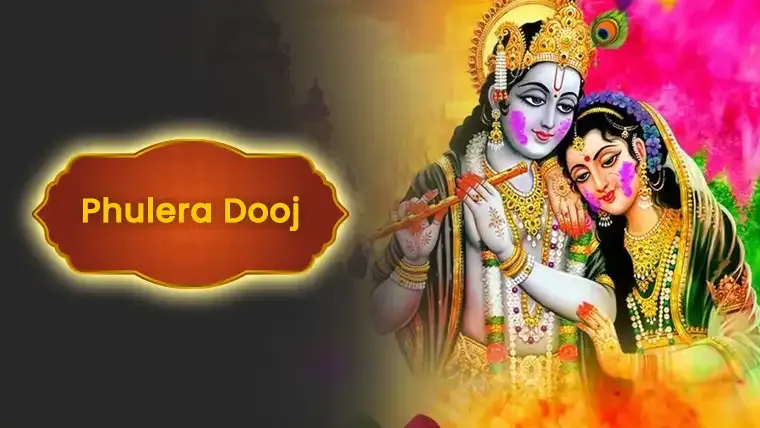
Phulera Dooj is a lively Hindu festival that is dedicated to Lord Krishna and Radha. It also marks the beginning of spring and is celebrated mostly in North India, especially in Mathura, Vrindavan, and the Braj region.
Date & Time
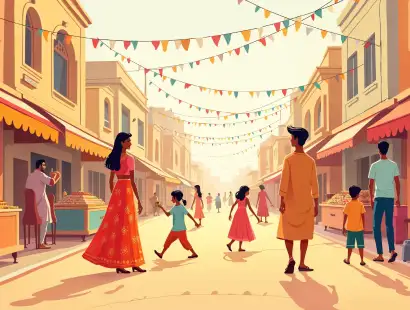
The terms "Phulera" (derived from "Phul," which means flowers) and "Dooj," So essentially, it's the flower festival on the second day of Shukla Paksha (waxing moon) in the month of Phalguna.
What makes Phulera dooj special is that it's the day when devotees play Holi with flowers instead of colors, recreating the playful and loving moments of Lord Krishna and Radha.
Not just that, astrologically, the day is considered a dosha-free day when any auspicious activity, especially weddings, can be performed without consulting a priest for timing. The entire day is considered lucky and free from negative planetary influences.
Phulera Dooj 2026 Date and Time
Now that you know what this festival is about, you're probably wondering: When is Phulera Dooj in 2026?
In 2026, Phulera Dooj will be celebrated on Thursday, February 19, 2026.
Here are a few important timings for this day:
Brahma Muhurat: 05:14 AM to 06:05 AM
Abhijit Muhurat: 12:13 PM to 12:58 PM
Godhuli Muhurat: 06:12 PM to 06:37 PM
Amrit Kaal: 01:00 PM to 02:34 PM
Pratah Sandhya (Morning Twilight): 05:40 AM to 06:56 AM
Vijaya Muhurat: 02:28 PM to 03:13 PM
Sayahna Sandhya (Evening Twilight): 06:14 PM to 07:30 PM (considered best for worship)
Note: The twilight period is traditionally favored for Krishna and Radha worship.
Why is Phulera Dooj Celebrated?
To know why people celebrate Phulera Dooj, you need to know the story of Krishna's return to meet Radha.
Lord Krishna had been busy with his duties in Vrindavan for a long time, and because of that, he wasn’t able to meet Radha.
Radha was upset, and her sorrow eventually began to affect nature. Flowers started wilting, and the entire environment became gloomy. When Krishna heard about it, he rushed to meet Radha and arrived in Braj on the second day (Dwitiya) of Phalguna's Shukla Paksha.
To cheer up Radha and make her smile again, Krishna plucked beautiful flowers and playfully threw them at her, starting a game of flower Holi with Radha and the Gopis (cowherd girls).
Radha’s joy was returned, and nature felt alive again; flowers blossomed, greenery spread, and happiness filled the air.
This day came to be known as Phuler Dooj, celebrating Krishna’s love and reunion with Radha.
Now let's see how this day is celebrated.
How is Phulera Dooj Celebrated?
Phulera Dooj is celebrated with full enthusiasm across North India, especially in the Braj region. Here's how devotees mark this joyous day.
- Beautiful Decorations in Temples
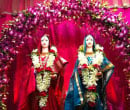
Temples in Mathura, Vrindavan, and the Braj region are beautifully decorated with marigolds, roses, jasmine, and more. Krishna and Radha's idols are also dressed in special yellow garments (yellow symbolizes prosperity and joy) and adorned with flower garlands.
- Using Flowers to Play Holi
The primary custom is using flowers to play Holi. The deities and each other are showered with vibrant flower petals by devotees. While chanting devotional melodies, flowers are thrown onto Krishna's image in temples.
- Special Darshan
In Mathura and Vrindavan temples, special darshan is organized where devotees can see Krishna prepared for Holi. The idol is decorated with colors and flowers.
- Phulera Dooj Puja
Devotees also perform puja at home by setting up Krishna and Radha's images, decorating them with yellow flowers, offering traditional foods like poha (flattened rice) and makhan mishri (butter with rock sugar), and playing flower Holi in front of the deities while chanting "Radhe Krishna."
- Cultural Programs
Devotional singing sessions (bhajan-kirtan) fill temples and homes. Special Holi songs and Krishna bhajans create a festive atmosphere. In the Braj region, traditional folk performances depicting Krishna's playful activities are also organized.
Now that we know how it's celebrated, let's explore what makes Phulera Dooj truly special.
Spiritual Significance of Phulera Dooj: What Makes it Special?
The thing that makes it special is Radha and Krishna's eternal affection, which represents the soul's love for the divine, and is celebrated during the festival.
Phulera Dooj marks the official start of Holi preparations, with temples in Mathura and Vrindavan beginning to apply colors to Krishna's idol. The festival also celebrates the arrival of spring with its flowers, warmth, and vibrant energy after the cold winter, reminding us to appreciate nature's beauty and bounty symbolized by the abundance of flowers.
Lastly, because it's an Abujh Muhurat, all astrological doshas are absent throughout the day, so marriages, corporate openings, real estate transactions, and other significant events can take place without regard to precise timings.
Are you planning something big on Phulera Dooj 2026? Though it’s an Abujh Muhurat, any time works, but an astrologer can still help you understand how this day fits with your personal horoscope and what to keep in mind. Talk to an astrologer on Astroyogi today!"
Phulera Dooj: Modern Relevance
Phulera Dooj is a joyous celebration that connects spirituality and culture in a world where traditions are disappearing.
The entire day is blessed, allowing people to proceed with big decisions and plans to move a step forward in life. It also reminds us that when making big decisions in life, we should celebrate them with our loved ones and spread happiness around us.
Like Krishna's own personality, devotion need not be solemn; it can be lively, joyful, and full of laughter.
Jai Radhe Krishna!
Festival List
- Nag Panchami
- Raksha Bandhan
- Janmashtami
- Ganesh Chaturthi
- Onam
- Pitru Paksha
- Shardiya Navratri
- Durga Puja
- Dussehra
- Karwa Chauth
- Dhanteras
- Diwali
- Govardhan Puja
- Bhai Dooj
- Chhath Puja
- Tulsi Vivah
- Guru Nanak Jayanti
- Christmas
- New year
- Lohri
- Pongal
- Makar Sankranti
- Vasant Panchami
- Shivratri
- Ramadan
- Holi
- Good Friday
- Navratri
- Gudi Padwa
- Ugadi
- Vaisakhi
- Ram Navami
- Mahavir Jayanti
- Hanuman Jayanati
- Buddha Purnima
- Akshay Tritiya
- Shani Jayanti
- Guru Purnima
- Hariyali Teej