



Friday, September 25, 2026 Paksha:Shukla Tithi:Chaturdashi

Friday, September 25, 2026 Paksha:Shukla Tithi:Chaturdashi

Saturday, September 26, 2026 Paksha:Shukla Tithi:Purnima

Sunday, September 27, 2026 Paksha:Krishna Tithi:Prathama

Monday, September 28, 2026 Paksha:Krishna Tithi:Dvitiiya

Tuesday, September 29, 2026 Paksha:Krishna Tithi:Tritiiya
Tuesday, September 29, 2026 Paksha:Krishna Tithi:Tritiiya

Tuesday, September 29, 2026 Paksha:Krishna Tithi:Tritiiya
Wednesday, September 30, 2026 Paksha:Krishna Tithi:Chaturthi
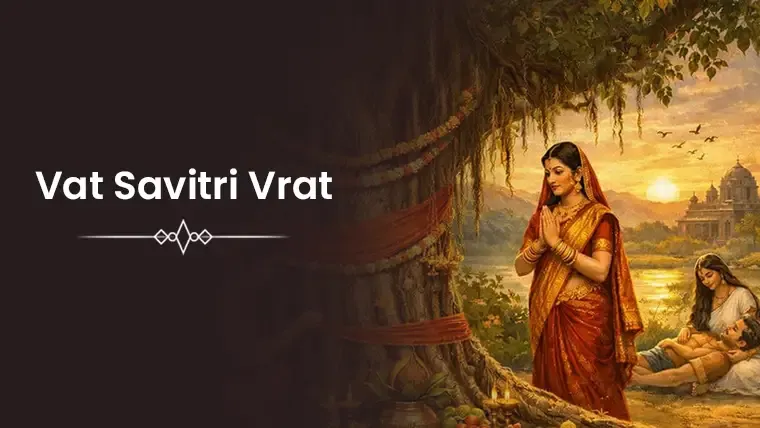
Vat Savitri Vrat is a sacred Hindu observance observed by married women for family well-being, marital harmony, and blessings for a long and peaceful life. In 2026, devotees across India will observe this auspicious vrat on 16th May through fasting, prayers, and traditional rituals.
Vat Savitri Vrat: Date and Time
Vat Savitri Vrat in 2026 will be observed on Saturday, 16th May.
Amavasya Tithi Timings
Amavasya Begins: 05:11 AM on 16 May 2026
Amavasya Ends: 01:30 AM on 17 May 2026
🌑 Planning rituals on the next Amavasya? Check the dates, tithi timings, and shubh muhurat for every Amavasya in on our Amavasya Calendar →
What is Vat Savitri Vrat?
Vat Savitri Vrat is a traditional fasting observance dedicated to marital harmony, family happiness, and spiritual discipline. The vrat is primarily observed by married women, who offer prayers for the well-being and long life of their husbands.
The word “Vat” refers to the banyan tree, which is regarded as a symbol of stability, longevity, and continuity in Hindu tradition. This vrat is closely associated with the legendary story of Savitri, whose determination and wisdom continue to inspire generations.
Vat Savitri Vrat Katha
The story of Vat Savitri Vrat revolves around the legendary tale of Savitri and Satyavan.
According to sacred traditions, Savitri was a wise and devoted woman who married Satyavan despite knowing that his life would be short. One day, while Satyavan was cutting wood near a banyan tree, he suddenly lost consciousness.
At that moment, Yamraj, the god of death, arrived to take Satyavan’s soul. However, Savitri followed Yamraj with unwavering determination and courage. Impressed by her wisdom, patience, and sincerity, Yamraj offered her several boons.
Through her intelligence and perseverance, Savitri ultimately succeeded in restoring Satyavan’s life. This sacred story continues to inspire devotees and symbolizes:
Strength through prayer and patience
Dedication during difficult times
The power of wisdom and sincerity
Because of this story, the banyan tree became closely associated with the vrat and its rituals.
Significance of Vat Savitri Vrat
Vat Savitri Vrat holds deep spiritual and emotional importance in the Hindu tradition. The observance is regarded as a symbol of patience, dedication, resilience, and inner strength.
The vrat highlights:
Prayer for family happiness and prosperity
Strength during difficult phases of life
Respect for traditional values and discipline
Gratitude and care for loved ones
The rituals associated with the vrat symbolize stability, continuity, and harmony in life.
Vat Savitri Vrat Puja Vidhi
Performing the puja with care and prayerful focus is considered an important part of the vrat. For this, make sure you have Vat Savitri Vrat puja samagri to begin with.
The following puja items are commonly used during the observance:
Diya (lamp)
Kumkum and turmeric
Flowers and garlands
Fruits and sweets
Incense sticks
Sacred thread (kalava)
Water vessel
Betel leaves and nuts
Banyan tree leaves (if available)
Puja thali
When you have the samagri ready, you can proceed with these steps for the puja:
Wake up early and take a bath before sunrise
Wear clean traditional clothes and prepare for the observance
Clean the place of worship and arrange puja items
Visit a banyan tree for worship, or perform the rituals at home if needed
Offer water, flowers, fruits, and kumkum to the tree
Tie sacred threads around the banyan tree while offering prayers
Listen to or read the story of Savitri and Satyavan
Pray for family happiness, harmony, and well-being
Conclude the observance with diya lighting and aarti
Vat Savitri Vrat Mantra
A commonly recited mantra during the vrat is:
“ॐ नमः शिवाय”
(Om Namah Shivaya)
Chanting the mantra with calmness and focus is believed to create a peaceful and spiritual atmosphere during the observance.
Fasting Rules for Vat Savitri Vrat
Fasting on Vat Savitri Vrat is observed with discipline and mindfulness. Common fasting practices include:
Many women observe a full-day fast
Some choose fruit-based fasting depending on their health
Simple sattvic food is preferred
Devotees avoid onions, garlic, and heavy meals
The fast is usually completed after prayers and rituals
The observance is practiced not merely as a ritual, but as a way to cultivate patience, focus, and spiritual awareness.
Sacred observances like Vat Savitri Vrat inspire reflection, gratitude, and hope. If you seek clarity regarding relationships, family matters, or important life decisions, you can talk to an astrologer on Astroyogi and receive guidance aligned with your journey.
Final Thoughts
Vat Savitri Vrat continues to remain a timeless symbol of resilience, patience, and spiritual values. Rooted in meaningful rituals and sacred traditions, this observance reminds devotees of the importance of prayer, togetherness, and enduring values.
For many families, the vrat remains a heartfelt expression of gratitude, care, and harmony passed down through generations.
Festival List
- Nag Panchami
- Raksha Bandhan
- Janmashtami
- Ganesh Chaturthi
- Onam
- Pitru Paksha
- Shardiya Navratri
- Durga Puja
- Dussehra
- Karwa Chauth
- Dhanteras
- Diwali
- Govardhan Puja
- Bhai Dooj
- Chhath Puja
- Tulsi Vivah
- Guru Nanak Jayanti
- Christmas
- New year
- Lohri
- Pongal
- Makar Sankranti
- Vasant Panchami
- Shivratri
- Ramadan
- Holi
- Good Friday
- Navratri
- Gudi Padwa
- Ugadi
- Vaisakhi
- Ram Navami
- Mahavir Jayanti
- Hanuman Jayanati
- Buddha Purnima
- Akshay Tritiya
- Shani Jayanti
- Guru Purnima
- Hariyali Teej