


Thursday, October 15, 2026 Paksha:Shukla Tithi:Panchami

Friday, October 16, 2026 Paksha:Shukla Tithi:Shashthi
Friday, October 16, 2026 Paksha:Shukla Tithi:Shashthi
Friday, October 16, 2026 Paksha:Shukla Tithi:Shashthi
Friday, October 16, 2026 Paksha:Shukla Tithi:Shashthi
Friday, October 16, 2026 Paksha:Shukla Tithi:Shashthi
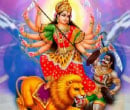
Saturday, October 17, 2026 Paksha:Shukla Tithi:Saptami
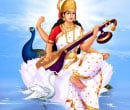
Saturday, October 17, 2026 Paksha:Shukla Tithi:Saptami
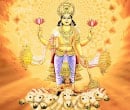
Saturday, October 17, 2026 Paksha:Shukla Tithi:Saptami
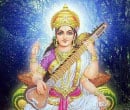
Sunday, October 18, 2026 Paksha:Shukla Tithi:Ashtami
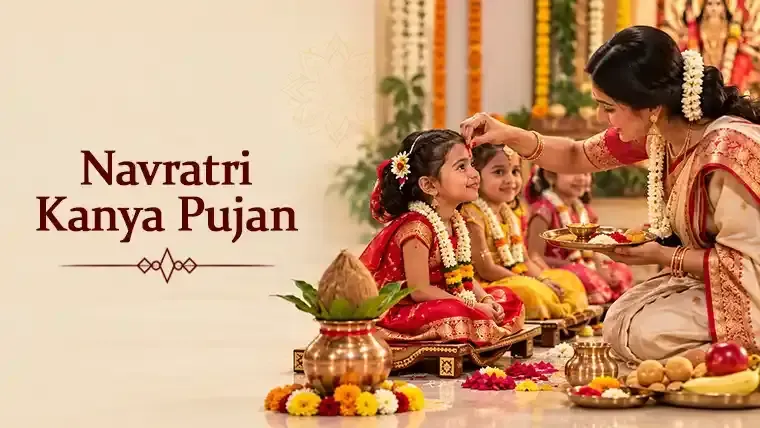
Kanya Pujan, also called Kanya Puja, Kanjak Puja, Kanak, Kancha, Kumari Puja, or Kanchak, is a cherished Hindu ritual observed during Navratri. In this ceremony, young girls are respectfully welcomed into the home, worshipped, and served a traditional meal as symbolic forms of Goddess Durga and the divine feminine energy.
The ritual is most commonly performed on Durga Ashtami or Maha Navami, though some households perform Navratri Kanya Puja on any day of Navratri, depending on family tradition, regional custom, or the local Panchang.
The practice is especially widespread in North India, including Delhi, Haryana, Punjab, Himachal Pradesh, Uttar Pradesh, Uttarakhand, Rajasthan, Madhya Pradesh, and parts of Bihar, where it is sometimes referred to as Kunwar Navratri.
Kanya Pujan 2026: Dates and Shubh Muhurat
| Occasion | Date (2026) | Shubh Muhurat (IST) | Tithi Details and Rituals |
|---|---|---|---|
| Durga Ashtami 🌺 | Sunday, 18 October (or Monday, 19 October) | Sunday: 08:30 AM – 11:30 AM Monday: 08:30 AM – 10:50 AM |
Ashtami Tithi begins at 08:27 AM on 18 October and ends at 10:51 AM on 19 October. Observed for Durga Ashtami worship and Kanya Pujan. |
| Maha Navami 🪔 | Monday, 19 October | 11:00 AM – 01:30 PM Tithi active until 12:50 PM on 20 October |
Navami Tithi begins at 10:51 AM on 19 October. Observed for Kanya Bhoj, Navami Havan, and completion of Navratri rituals. |
| Vijayadashami 🏹 | Tuesday, 20 October | Aparahna Muhurat: After 12:50 PM | Dashami Tithi begins after Navami ends at 12:50 PM. Observed for Dussehra and Durga Visarjan. |
Some Panchang calculations show Ashtami and Navami observances converging on 19 October 2026, while other regional calendars list Ashtami on 18 October and Navami on 19 October separately.
Note: Households are encouraged to check the Panchang for their own city before finalizing the ceremony date.
Kanya Pujan Vidhi: Step-by-Step Guide to Performing Kanjak Puja on Ashtami and Navami
Families frequently search for how to do Kanya Puja in Navratri, since the steps can vary slightly by region. The following Kanya Pujan Vidhi in Navratri is a simple version that is widely followed.
Before the Kanyas Arrive
Clean and prepare the space. Clean the puja area and arrange comfortable seating away from open flames, hot utensils, and heavy incense smoke. Keep food, gifts, water, and puja items ready so children do not have to wait.
Take a simple sankalp. After bathing and wearing clean clothes, offer a short prayer to Goddess Durga. State your name, family name, date, and intention in a language you understand; a sincerely understood prayer is preferable to an unfamiliar mantra recited incorrectly.
Invite the kanyas in advance. Contact parents or guardians early, and explain the ceremony, meal, expected duration, and whether photographs will be taken. Invite a number of girls your home can comfortably seat and serve; nine is traditional because of the Navadurga, but it is not mandatory.
Welcome and Worship
Welcome each child warmly. Greet the girls and their guardians at the door. Ask before holding a child’s hand, guiding them, or taking photographs.
Seat them comfortably. Offer clean mats, stools, or chairs. If your family invites a young boy as Langur or Bhairav, seat him respectfully with the group; this custom is regional rather than universal.
Offer padya with permission. Wash the girls’ feet with clean, comfortably warm water and dry them gently. If the child or guardian prefers not to have this done, offer a respectful namaskar and continue.
Apply tilak and offer tokens of respect. With permission, apply a small tilak of roli, kumkum, sandalwood, or haldi and place akshat over it. Offer flowers, moli, or a chunri only if the child is comfortable; do not insist on any item of clothing or adornment.
Perform aarti safely. Perform the Durga aarti with the diya at a safe distance. Children should not be asked to hold flames, camphor, or incense.
Kanya Bhoj and Farewell
Serve the bhog thoughtfully. Offer small portions of halwa, puri, and kala chana first, then offer more if the children want it. Include fruit, sweets, and water; ask guardians beforehand about allergies, dietary restrictions, and foods the children enjoy.
Offer gifts and dakshina equally. Give age-appropriate gifts or dakshina after the meal. Keep the gesture equal and pressure-free, without comparing children or turning gift-giving into a competition.
Seek blessings and thank the families. Offer a respectful namaskar, thank the girls and their guardians, and bid them a warm farewell.
Conclude the vrat according to tradition. Families observing a nine-day fast may conclude it after Kanya Pujan, often alongside havan and Kanya Bhoj, following their family or regional custom.
What to Donate During Kanya Pujan
Donations during Kanya Pujan are respectful offerings, not payment for the children’s participation. They usually include bhog, dakshina, and small gifts, kept modest and within the family’s means. Offer items that are safe, useful, age-appropriate, and given equally to every child, without pressure or comparison. Traditional offerings include fruit, sweets, a red chunri, bangles, hair accessories, stationery, and a small amount of dakshina.
Appropriate Donations
Kanya Bhoj: Halwa, puri, kala chana, fruit, and sweets, served with care. Ask guardians about allergies and dietary preferences beforehand.
Dakshina: A small coin or note, according to the family’s capacity and local custom. The amount need not be large; the gesture matters more than the value.
Stationery and learning items: Notebooks, pencils, crayons, erasers, sketch pens, storybooks, pencil pouches, or a reusable water bottle. These are practical and suit a wide age range.
Safe traditional items: A red chunri, moli/kalava, bangles, hair clips, or other lightweight accessories, provided they have no sharp edges or small detachable parts.
Useful everyday items: A small steel tiffin, bowl, or bottle can be a thoughtful choice for slightly older children.
Toys or games: Choose sturdy, non-toxic, age-appropriate items without sharp parts, glass components, or choking hazards.
Donations to Avoid
Sharp or fragile objects: Knives, scissors, pins, glass items, or toys with pointed edges can cause injury and are generally considered inappropriate for young children.
Unsafe toys: Avoid toys with small detachable pieces for very young children, as they pose a choking risk.
Excessive cash or transactional giving: Avoid large sums or anything that makes the ritual feel like payment. Dakshina should remain a symbolic offering within the family’s means.
Spoiled, unhygienic, or heavily processed food: Do not offer stale food, uncovered sweets, or excessive packaged junk food. Fresh, clean, wholesome bhog is more appropriate.
Gifts that single children out: Do not give visibly unequal gifts, compare children, or make any child feel overlooked.
Items that cause discomfort: Do not insist on clothing, jewelry, photographs, or physical contact if the child or guardian is uncomfortable.
A simple rule: Give what is safe, useful, equal, and willingly accepted. Avoid anything sharp, fragile, unsafe, unhygienic, excessive, or likely to make a child uncomfortable.
Why Is Navratri Kanya Pujan Celebrated?
Navratri Kanya Puja expresses the belief that the power worshipped in the image of Goddess Durga is also present in living beings. Common reasons for observing the ritual include:
Honoring the feminine principle and the presence of Shakti in every girl.
Expressing gratitude to Goddess Durga at the close of Navratri.
Completing the Navratri vrat and personal sadhana.
Practicing humility, hospitality, and charity.
Seeking blessings for peace, prosperity, health, and spiritual strength.
Recognizing the dignity and importance of girls in the family and community.
Sharing food and gifts with children as an act of goodwill.
Significance of Kanya Pujan
Navratri is dedicated to the nine forms of Goddess Durga, collectively known as Navadurga, and the most common practice is to invite nine girls representing these nine forms. Nine girls are not mandatory, and families may invite one, two, five, seven, or as many girls as can be respectfully welcomed and served. Some households also invite nine girls along with one boy.
The Devi Bhagavata Purana describes the worship of young kumaris during Navratri and links different ages to names such as Kumari, Trimurti, Kalyani, Rohini, Kalika, Chandika, Shambhavi, Durga, and Subhadra. These age-based associations are traditional interpretations rather than rules followed identically by every community, and many households simply invite available young girls with equal respect.
Many families follow the traditional age group of two through ten years, while a one-year-old child may be excluded for practical reasons related to feeding and participation. In present-day practice, households often follow a more flexible age range, giving priority to the child's comfort, the consent of the parent or guardian, safety, and an atmosphere free of pressure or discrimination.
In parts of North India, particularly regions where the observance is called Kunwar Navratri, the underlying spirit remains the same, centered on respect for the divine feminine expressed through the presence of young girls.
Roots of Navratri Kanchak
The worship of young girls as forms of Shakti has roots in classical Hindu texts, including the Devi Bhagavata Purana, which describes kumari worship as part of Navratri observance and connects specific ages with different names of the Goddess. Over time, this scriptural practice grew into a household tradition observed on Ashtami or Navami across North Indian homes, temples, and communities.
Alongside the worship of Goddess Durga during the nine nights, the custom of Navratri Kanchak developed as a way to bring the abstract worship of the Goddess into a direct, personal act of service toward living girls in the community. The tradition of inviting a young boy as Langura or Bhairav, regarded in some customs as a symbolic form of Lord Bhairava, also became part of the ritual in several North Indian households, though it is not observed universally.
Frequently Asked Questions
1. What is the difference between Kanya Pujan and Kanjak Pujan?
Both terms describe the same ritual. Kanya Pujan is the more formal or Sanskrit-influenced name. At the same time, Kanjak Pujan and Navratri Kanjak are commonly used in Punjabi and North Indian households for the same ceremony of worshipping and feeding young girls.
2. Why do some people perform Kanya Pujan on Ashtami and others on Navami?
It depends on the tradition the family follows and the local Panchang. Some people believe Ashtami is a better day to perform Kanya Pujan, while others consider Navami, the last day of Navratri, more auspicious for Kanya Pujan. Some families also perform Kanya Pujan on both Ashtami and Navami.
3. Can we perform the Kanya Puja at home without inviting 9 girls?
Yes, you can. The number 9 is connected to the Navadurga, but you can invite 1 girl, 2 girls, 5 girls, 7 girls, or as many as you want to make them feel welcome and perform Kanya Pujan.
4. Why are we inviting one young boy (langur/bhairav) along with the kanyas?
In some parts of North India, it is traditional to invite one young boy along with the kanyas for the Kanya Pujan. The young boy represents Lord Bhairava, who is the guardian of Goddess Durga. This custom is followed in some parts of the country, but not all.
5. Can women do the Navratri Kanya Pujan?
Yes. Women can perform the entire ritual independently or together with family members, including preparing the puja items, welcoming the girls, applying tilak, performing aarti, and serving the Kanya Bhoj.
6. What age group of girls should be invited for Kanya Pujan?
Traditionally, girls between about 2 and 10 years old are invited to participate in Kanya Pujan. Today, most families keep a wide age range, and the child's comfort and willingness to participate matter more than any specific age restrictions.
7. What if a kanya refuses to eat or behaves restlessly?
Never force a child to do anything. You can try giving them a little food and see if they want more. If not, you can give the next child some extra food. Try not to force the child to sit quietly or finish all of her food.
8. Is Kanya Pujan mandatory to complete the Navratri vrata?
Kanya Pujan is a popular custom for marking the end of a Navratri vrat for many families, but some people are not as keen on it. Families who are unable to complete the vrat may mark the end of the vrat with prayers, havan, and other acts of devotion to the goddess, and by offering food and gifts to children through a reputable organization.
Plan Your Navratri Kanya Pujan with Expert Guidance
A well-timed muhurat and a sincere Kanya Pujan can bring added meaning to the Navratri celebrations at home. For guidance on the exact timing suited to a particular city, help understanding regional customs, or any other Navratri-related question, consulting an experienced astrologer can be a helpful next step ahead of the festival.