
Life Line in Palmistry
Most people believe the life line in palmistry predicts how long a person will live, but that is one of the biggest myths in palm reading. The life line actually reflects vitality, energy levels, major life transitions, and overall life force. In Indian Samudrika Shastra, this line is known as the **Aayurekha** and is considered one of the most important indicators in lifeline in astrology and chiromancy. Its depth, curve, and markings help palmists understand how a person experiences life physically and emotionally. Here’s what every type and marking on the life line may reveal.
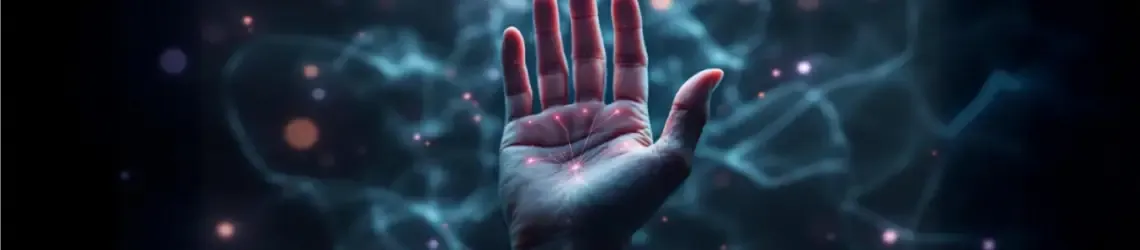
The life line in palmistry is a curved line on the palm that starts between the thumb and index finger and arcs down toward the wrist. It reveals vitality, energy, and major life events — not lifespan.
Where Is the Life Line on Your Palm?
To locate the life line in palm reading:
- Open your dominant hand with the palm facing upward.
- Look for the curved line beginning between the thumb and index finger.
- Follow the line as it curves around the base of the thumb toward the wrist.
The dominant hand usually reflects present life choices and active experiences, while the non-dominant hand shows inherited tendencies. Learn more through this palm reading guide.
What Does the Life Line in Palmistry Actually Reveal?
The life line in palmistry reveals several important aspects of a person’s life and personality.
Vitality & Physical Energy
A deep and clear life line often reflects strong stamina, enthusiasm, and physical resilience.
Quality of Life
The curve and strength of the line show how fully a person engages with life experiences and relationships.
Major Life Transitions
Breaks, branches, or shifts may indicate relocation, career changes, emotional resets, or major turning points.
Resistance to Illness
A thick and healthy line is traditionally associated with a stronger constitution and recovery ability.
The life line does NOT predict how long you will live. A short life line does not mean a short life. This is the most widespread myth in palmistry.
In Samudrika Shastra, the Aayurekha is always read alongside other major lines rather than in isolation.
Types of Life Lines in Palmistry
Long and Deep Life Line
A long and deep life line is traditionally linked with strong vitality, steady energy, and emotional stability. People with this line are usually grounded, resilient, and deeply connected to life experiences. It is often considered a sign of robust physical and mental endurance.
Short Life Line
A short life line does not mean a short lifespan. Instead, it may indicate a person who uses energy intensely rather than steadily. Such individuals are often independent, fast-moving, and highly self-driven.
Faint or Shallow Life Line
A faint life line may suggest lower physical energy or a tendency to tire easily. In females, palmists sometimes associate it with emotional exhaustion or hormonal sensitivity, while in males it may indicate depleted energy reserves or stress-related fatigue.
Thick and Wide Life Line
A thick and wide line is commonly linked with physical strength, stamina, and practicality. These individuals are often action-oriented and suited to physically demanding activities or athletic pursuits.
Wide Semicircular Arc
A life line forming a broad curve around the thumb indicates warmth, enthusiasm, and openness to experiences. These people generally enjoy social interaction, travel, and active lifestyles.
Straight Life Line Close to the Thumb
A straight life line positioned close to the thumb reflects cautious energy use and emotional reserve. Such individuals tend to protect their time, energy, and relationships carefully.
Double or Sister Life Line
A secondary line running parallel to the life line is called a sister line or double life line. It is considered a sign of additional vitality, protection, emotional resilience, and strong recovery ability.
| Life Line Type | What It Suggests |
|---|---|
| Long and Deep | Strong vitality and resilience |
| Short | Intense energy and independence |
| Faint / Shallow | Lower stamina and energy sensitivity |
| Thick and Wide | Physical strength and endurance |
| Wide Semicircular Arc | Warm, energetic, and open personality |
| Straight Close to Thumb | Careful energy use and emotional reserve |
| Double / Sister Line | Extra vitality and emotional protection |
Key Markings on the Life Line and Their Meanings
Broken Life Line
A broken life line usually points to a major transition such as relocation, lifestyle change, career shift, or a period of emotional or physical adjustment. It is not a prediction of death or disaster.
Forked Life Line
A forked life line suggests divided energies or a split in direction. A fork near the wrist is often associated with travel, migration, or major changes later in life.
Double or Sister Line
A parallel line beside the main life line indicates additional vitality and strong recovery ability. Palmists often view this as an auspicious sign connected with protection, resilience, or supportive influences.
Chained Life Line
A chained pattern made of small loops reflects fluctuating energy levels or sensitivity during certain phases of life, especially youth. These patterns may gradually smooth out with maturity and lifestyle changes.
Island on the Life Line
An island-shaped marking may indicate a temporary phase of low energy, stress, or health imbalance. The size of the island traditionally represents the duration of the phase.
Stars and Crosses
Stars near the life line can point toward sudden events or major turning points, while crosses are associated with challenges, decisions, or emotional pressure during specific periods.
Life Line in Hand for Female vs Male
Life Line in Hand for Female
In traditional Indian palmistry, the left hand is often read for females as the passive or inherited hand, while the right hand reflects present choices and experiences. Modern palmists usually study both hands together. For women, the life line is often examined in connection with resilience, emotional balance, family responsibilities, and personal growth. Learn more about which hand to read in palmistry.
Life Line in Hand for Male
For males, traditional palmistry gives more emphasis to the right hand as the active hand reflecting career direction, vitality, and life decisions. The life line is commonly studied for stamina, work-life balance, physical health patterns, and major life transitions.
In both cases, the life line is a guide to energy and life quality — not a fixed fate.
Life Line in Relation to Other Palm Lines
When the life line and head line in palmistry begin together, it usually reflects a cautious and thoughtful personality. The longer they remain joined, the more deliberate the decision-making style.
The interaction between the life line and fate line often highlights major turning points connected to career, responsibility, or life direction.
If the life line curves strongly toward the heart line, emotions may strongly influence energy levels and overall wellbeing.
No single line should ever be read in isolation. Palmistry is always interpreted as a complete hand reading.
Can the Life Line Change Over Time?
Yes, the life line can change gradually over time. Palm lines may shift in depth, clarity, or shape due to lifestyle, stress, health, emotional experiences, and personal growth. In Samudrika Shastra, this reflects the belief that karma and destiny continue evolving through conscious choices. A palm reading shows the present flow of energy rather than a fixed future.
Want to understand what your life line reveals right now? Consult an expert palmist on Astroyogi for a personalised reading.
CONSULT ASTROLOGER
View All




Frequently Asked Questions
According to Vedic astrology, hand reading takes into account a person's dominant hand, which is used to perform all necessary tasks. This is because the dominant hand represents a person's current and future actions.
In palmistry, deep, distinct lines, uninterrupted mounts, and well-defined lines are all positive indicators. These frequently point to favorable qualities, future success, and excellent health.
Palm reading involves analyzing the lines, mounts, and shapes on the palm. The length, depth, and intersections of the lines suggest future events, providing information about potential life paths.
The head line in palmistry is a representation of your mental and emotional state. It represents your mental processes, judgment, and intellectual prowess and extends horizontally across the palm, slightly below the line of the heart.
Positioned above the head line, the heart line symbolizes connections and feelings in palm reading. It can shed light on relationship dynamics, emotional inclinations, and matters of the heart.