
Heart Line in Palmistry
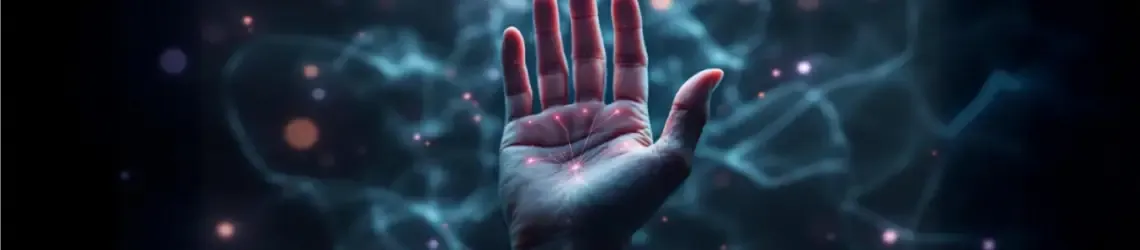
The heart line in palmistry is the top horizontal line on your palm, located just below the fingers. Also known as the love line or _hriday rekha_ in Indian palmistry, it reflects how a person experiences emotions, relationships, affection, and emotional expression. The shape, depth, and texture of the heart line in hand can reveal different emotional tendencies and relationship patterns. In palmistry, no single heart line type is considered completely good or bad — each simply reflects a different emotional style. The sections below walk through each type and what it suggests.
What Is the Heart Line in Palmistry?
The heart line is one of the three major lines in palmistry, along with the head line and life line. It usually begins below the little finger and runs horizontally across the upper palm toward the index or middle finger. In Indian palmistry, it is also called the love line or hriday rekha. Palmists study this line to understand emotional nature, relationship habits, romantic tendencies, and how a person gives and receives love. Rather than predicting destiny, it offers insight into emotional patterns and personality traits.
Types of Heart Line in Palmistry
The most common heart line types include Straight, Curved, Forked, Chained, Broken, Double, and Long or Short heart lines.
Straight Heart Line
A straight heart line suggests a practical and balanced approach toward emotions and relationships. These individuals usually take time to trust others and may appear emotionally reserved at first. However, once committed, they are loyal, dependable, and stable partners. In heart line palmistry, the straight line is often called the “pragmatic heart line” because it reflects emotional control and maturity rather than impulsive emotional expression.
Curved Heart Line
A curved heart line generally reflects emotional warmth, openness, and expressive feelings. An upward curve is associated with passionate and affectionate personalities who form deep emotional connections easily. A downward curve may indicate someone who prefers to internalize emotions and express feelings more privately. Palmistry heart line meaning varies based on the depth and shape of the curve, but these are viewed as emotional tendencies rather than fixed personality traits.
Forked Heart Line
A forked heart line appears when the line splits into two or more branches near its ending point. In palmistry, this usually represents a balance between emotional sensitivity and practical thinking. People with this type of heart line in hand are often able to manage relationships with both logic and compassion. A three-fork variation traditionally suggests greater emotional flexibility, social popularity, and the ability to understand different perspectives in relationships.
Chained Heart Line
A chained heart line has a linked or looped appearance rather than a smooth, clear flow. This pattern is associated with emotional sensitivity and fluctuating feelings. Individuals with a chained heartline palm often feel emotions deeply and may experience emotional highs and lows in relationships. Indian palmistry traditions also associate chained patterns with reactive emotional behavior. However, this does not indicate weakness — it simply reflects a highly responsive emotional nature.
Broken Heart Line
A broken heart line contains one or more gaps or interruptions along the line. In palmistry, these breaks traditionally represent emotional turning points, relationship changes, or periods of personal growth. A break does not mean emotional failure or lack of love. Instead, it is viewed as an emotional reset or transformation phase. You can read more about broken heart line in palmistry for deeper interpretations and variations.
Double Heart Line
A double heart line is a rare marking where a second line runs parallel to the main heart line. In palmistry, this is considered a sign of emotional depth, resilience, and strong emotional awareness. People with a double heart line are often deeply caring and emotionally intuitive. Rather than indicating emotional confusion, it traditionally symbolizes emotional strength and the ability to handle relationships with maturity and compassion.
Long vs. Short Heart Line
A long heart line that reaches the index finger or beyond is linked with deep emotional capacity, loyalty, and generosity in relationships. These individuals often value emotional closeness and meaningful connections. A short heart line, which ends below the middle finger, reflects a more self-contained emotional style. This does not mean the person lacks emotions — they simply prefer privacy, emotional independence, and fewer but stronger relationships.
Special Markings on the Heart Line
Special markings on the heart line add additional detail to a palm reading and are traditionally interpreted alongside the overall shape of the line.
- Islands: Small oval formations on the line may indicate a temporary phase of emotional confusion or relationship strain.
- Stars: Tiny star-like markings are associated with emotional awakenings or important emotional experiences.
- Dots or Moles: These markings traditionally point toward periods of emotional stress or relationship disruptions.
- Upward Branches: Upward branches are considered positive signs connected to emotional growth, optimism, and happy relationship developments.
- Downward Branches: Downward branches may suggest disappointment, emotional exhaustion, or unresolved feelings during a particular phase of life.
- Crosses: Cross markings on the heart line are linked with emotional conflict or challenges within a relationship.
What Happens When the Heart Line Interacts With Other Lines?
When the heart line merges with or closely touches the head line in palmistry, it may form the simian line, also called the simian crease. This rare marking is traditionally associated with intense focus, emotional depth, and an all-or-nothing personality approach. If the heart line ends near or merges with the life line, palmists often interpret it as strong emotional attachment to loved ones, family bonds, or dependence on close emotional relationships.
Which Hand to Read — Left or Right?
In palmistry, the dominant hand reflects present emotional experiences and choices, while the non-dominant hand shows inherited emotional tendencies and natural personality traits. For left-handed individuals, the interpretation is usually reversed. Most palmists compare both hands for a fuller understanding of emotional patterns. You can also explore this detailed palm reading guide to learn more about other major palm lines.