
Govardhan Puja Vidhi 2026: Puja Samagri, Rituals and Annakut Bhog
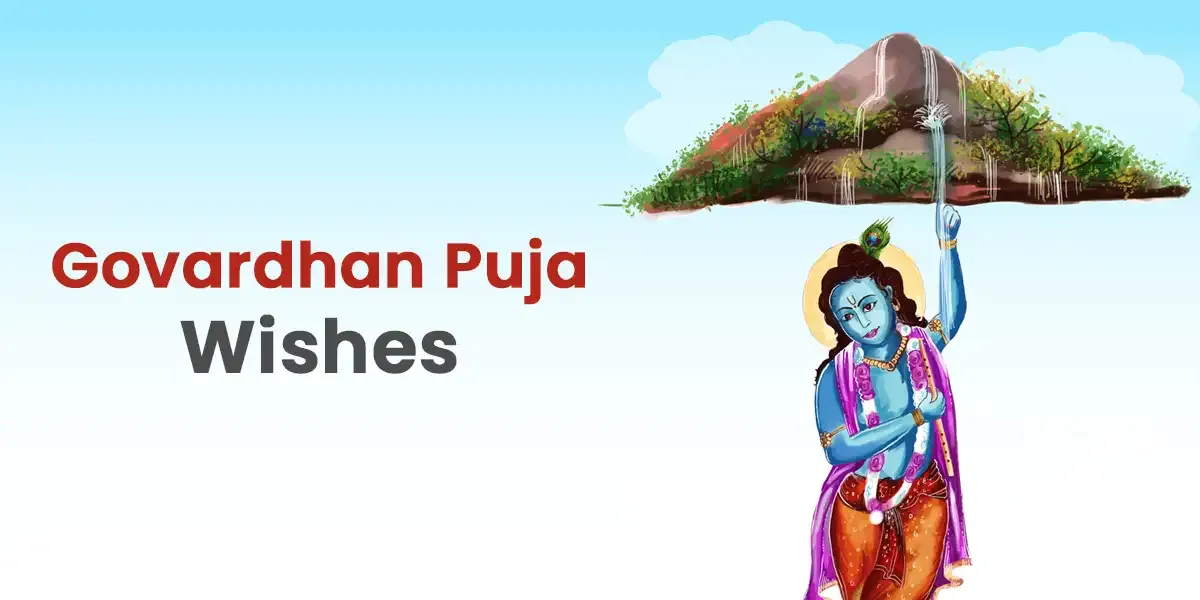
The Govardhan Puja vidhi is simple and can be followed at home with basic items. The puja involves making a small Govardhan replica, worshipping Lord Krishna and Lord Govardhan, offering Annakut bhog, performing parikrama and aarti, and sharing prasad.
Knowing how to do Govardhan Puja starts with gathering the right samagri. The list and steps below are arranged in the order they are needed.
Govardhan Puja Samagri List
All items should be kept ready before the puja begins. The list can be shortened or expanded as per family tradition and availability.
Essential Samagri
Fresh cow dung (gobar) or clean clay for the Govardhan replica
Idol or picture of Lord Krishna as Giridhari, Shrinathji, or Bal Gopal
A clean wooden chowki or puja table
A clean red, yellow, or white cloth
Kalash with clean water and Gangajal, if available
Roli or kumkum, haldi, chandan, and akshat (unbroken rice)
Fresh flowers, garlands, tulsi leaves, and durva grass
Incense sticks, dhoop, camphor, ghee diya, cotton wicks, and a matchbox
Bell, puja thali, and aarti lamp
Betel leaves, betel nuts, cloves, and cardamom, where customary
Kheel batasha, puffed rice, sugarcane pieces, and small decorative flags
Milk, curd, ghee, honey, and sugar for panchamrit, if used
Fruits, sweets, kheer, and other bhog items
Green fodder, jaggery, roti, or gram for cows, if a cow is nearby
Minimum Samagri for an Apartment
A small setup is enough for a flat. The following items are sufficient:
Krishna photo or idol
A large plate
Clay, rice, or grains for the Govardhan shape
Roli, akshat, flowers, and tulsi
Diya, incense, and camphor
One sweet, fruit, or cooked dish as bhog
Water for offering
Govardhan Puja Vidhi: Step by Step
This section explains how to do Govardhan Puja in a clear sequence. The same method works for homes with a courtyard and for apartments.
Step 1: Clean the Space
The day begins with an early bath and clean clothes. The courtyard, entrance, or puja table is then cleaned.
A clean cloth is spread out. Rangoli, flowers, and mango leaves are used for decoration.
Step 2: Make the Replica of Govardhan Hill
Govardhan Hill is shaped with fresh cow dung in the courtyard or near the main entrance. The shape may be a small mound or a reclining figure.
In an apartment, clay, rice, grains, or sweets can be arranged on a large plate. The replica is decorated with:
Flowers and tulsi
Green grass or durva
Small sticks as trees
Sugarcane pieces
Kheel Batasha
Tiny flags
Step 3: Place Lord Krishna
The picture or idol of Lord Krishna is placed beside or slightly above the Govardhan replica. Many families also add small figures of cows, calves, gopas, and gopis around it.
Step 4: Take Sankalp
A ghee diya is lit while sitting facing east or north. A simple vow is then taken.
A simple sankalp is: "On this auspicious day, I perform Govardhan Puja and Annakut for Lord Krishna and Lord Govardhan for the health, prosperity, and protection of my family."
Step 5: Invoke Lord Krishna and Lord Govardhan
Water is offered for achamana if the family tradition follows it. The deities are then invoked with devotion.
The commonly chanted mantras are:
Om Namo Bhagavate Vasudevaya
Om Govardhanaya Namah
Step 6: Offer Water, Panchamrit, and Other Items
Water is offered first to Lord Krishna and the Govardhan replica. Panchamrit made from milk, curd, ghee, honey, and sugar is offered where tradition permits.
Roli or kumkum and chandan are applied next. Akshat, flowers, tulsi leaves, durva, and a garland are then offered.
Step 7: Light Dhoop and Diya
Incense and a ghee diya are lit and offered to Lord Krishna and Lord Govardhan. This completes the main offerings before the Annakut bhog.
Step 8: Offer Annakut Bhog
The food is arranged in a mountain-like formation before the deities. Rice or kheer is usually placed at the base. Sweets, fruits, and other dishes are placed around it.
The bhog is offered with the thought that it is being presented to Lord Krishna and Lord Govardhan.
Step 9: Perform Seven Parikramas
Seven clockwise rounds are made around the Govardhan replica. Krishna bhajans, Govardhan bhajans, or the chant "Shri Govardhan Maharaj ki Jai" are commonly recited during this time.
Step 10: Perform Aarti
Camphor or a ghee diya is lit for the aarti of Lord Krishna and Lord Govardhan. The bell is rung, and flowers are offered at the end.
Step 11: Honor Cows and Gau Mata
Cows hold a special place in Govardhan Puja because they were sheltered with the people of Braj beneath Govardhan Hill. If a cow is nearby, tilak is applied, and green fodder, jaggery, roti, or gram is offered.
If a cow is not accessible, fodder can be donated at a gaushala.
Step 12: Distribute Prasad
After the aarti, the Annakut food is shared as prasad. It is given to family members, neighbors, guests, and those in need.
Govardhan Puja Mantras
Only a few simple chants are needed for the puja. Each has a specific moment of use.
| Mantra | When It Is Chanted |
|---|---|
| Om Namo Bhagavate Vasudevaya | At the start, during invocation |
| Om Govardhanaya Namah | While offering items to Lord Govardhan |
| Shri Govardhan Maharaj ki Jai | During the seven parikramas |
| Hare Krishna, Hare Krishna, Krishna Krishna, Hare Hare | During or after the aarti |
Govardhan Puja Prasad and Annakut Ideas
"Annakut" means "a mountain of food." The food offered becomes Govardhan Puja prasad after the aarti.
A fuller Annakut may include 21, 56, or even 108 dishes. Chhappan bhog, or 56 offerings, is especially associated with this festival, but it is not compulsory. A few sincere sattvik dishes are enough for home worship.
Simple Prasad for Home
Kheer or halwa
Panchamrit
Makhan Mishri
Seasonal fruits and dry fruits
One cooked dish such as poori sabzi or khichdi
Annakut Prasad Options
The table below groups popular dishes by category for easy planning.
| Category | Prasad Options |
|---|---|
| Grains and mains | Rice, khichdi, dal, kadhi, poori, roti, bajra roti |
| Vegetables | Mixed seasonal sabzi, aloo sabzi, pumpkin sabzi |
| Sweets | Kheer, halwa, lapsi, malpua, laddoo, peda, panjiri |
| Dairy | Milk, curd, butter, makhan, makhan mishri |
| Fruits and dry fruits | Seasonal fruits, raisins, cashews, almonds, dates |
| Traditional extras | Kheel batasha, puffed rice, jaggery, sugarcane |
The food should be fresh, vegetarian, and sattvik. Households that follow the practice also avoid onion and garlic.
Rules and Common Mistakes to Avoid
Offer only fresh, sattvik, vegetarian bhog.
Never use stale or spoiled food.
Do not waste the Annakut. Distribute it as prasad.
Perform all parikramas in a clockwise direction.
Treat the Govardhan replica with respect, as it represents the sacred hill.
Follow the family or regional custom where it differs from the general vidhi.
Frequently Asked Questions
Can Govardhan Puja be done at home?
Yes. A Krishna picture, a small Govardhan replica, basic samagri, bhog, aarti, and parikrama are enough for a complete puja at home.
Can Govardhan Puja be done without cow dung?
Yes. Clay, rice, grains, or sweets can be used to form a small hill on a plate.
What is the minimum samagri for Govardhan Puja?
A Krishna image, a plate, clay or rice for the hill, roli, akshat, flowers, tulsi, diya, incense, camphor, water, and one bhog item.
How many parikramas are done?
Seven clockwise parikramas around the Govardhan replica are common in many households.
What is offered as Govardhan Puja prasad?
Annakut dishes such as rice, kadhi, sabzi, poori, kheer, halwa, fruits, sweets, and dairy items are offered and later distributed.
Is 56 bhog compulsory?
No. Chhappan bhog is traditional, but a few devotionally prepared sattvik dishes are sufficient.
What should be done with Annakut food after the puja?
The food is shared as prasad with family, neighbors, guests, and those in need.
Can Govardhan Puja be performed in the evening?
Morning is preferred. The Godhuli period is also traditionally considered auspicious for Govardhan worship.
Conclusion
The Govardhan Puja vidhi comes down to a few clear steps: build the Govardhan replica, worship Lord Krishna and Lord Govardhan, offer Annakut bhog, complete seven parikramas and aarti, and share the prasad.
With simple samagri and a sincere heart, the puja can be performed easily in any home.