
Diwali Puja Mantra: Lyrics, Meaning, Chanting & Benefits
Whether you are preparing for Lakshmi-Ganesh Puja or performing a havan at home, the right Diwali mantra can become a meaningful part of your prayers.
Diwali Puja Mantras
Here are some commonly recited mantras that you can include in your Diwali puja. These prayers are primarily dedicated to Goddess Lakshmi and Lord Ganesha.
Ganesh Mantra for Diwali
Lord Ganesha is worshipped before the beginning of any auspicious occasion. On Diwali, devotees offer their prayers to him to seek wisdom and the removal of obstacles.
Mantra: Om Gam Ganapataye Namah.
Meaning: I bow to Lord Ganesha and seek his blessings to overcome obstacles and begin new endeavors with wisdom.
Read: Ganesh Puja Vidhi
Lakshmi Mantra for Diwali
Goddess Lakshmi is worshipped during Diwali for prosperity, abundance, and happiness. This is one of the popular mantras recited during Lakshmi Puja.
Mantra: Om Shreem Mahalakshmyai Namah.
Meaning: I offer my prayers to Goddess Mahalakshmi and seek her blessings for prosperity, abundance, and well-being.
Read: Laxmi Puja Vidhi
Mahalakshmi Beej Mantra
The Mahalakshmi Beej Mantra is a short and powerful prayer dedicated to Goddess Lakshmi. Devotees often include it in their daily prayers and Diwali worship.
Mantra: Om Shreem Hreem Shreem Kamale Kamalalaye Praseed Praseed Shreem Hreem Shreem Om Mahalakshmyai Namah.
Meaning: This prayer invokes Goddess Mahalakshmi and seeks her grace for prosperity, happiness, and abundance.
Lakshmi Gayatri Mantra
The Lakshmi Gayatri Mantra is recited by devotees seeking the blessings of Goddess Lakshmi for peace, prosperity, and spiritual well-being.
Mantra: Om Mahalakshmyai Cha Vidmahe Vishnupatnyai Cha Dheemahi, Tanno Lakshmih Prachodayat.
Meaning: We meditate upon Goddess Mahalakshmi, the consort of Lord Vishnu. May the Goddess inspire and guide us with her divine blessings.
Kuber Mantra for Diwali
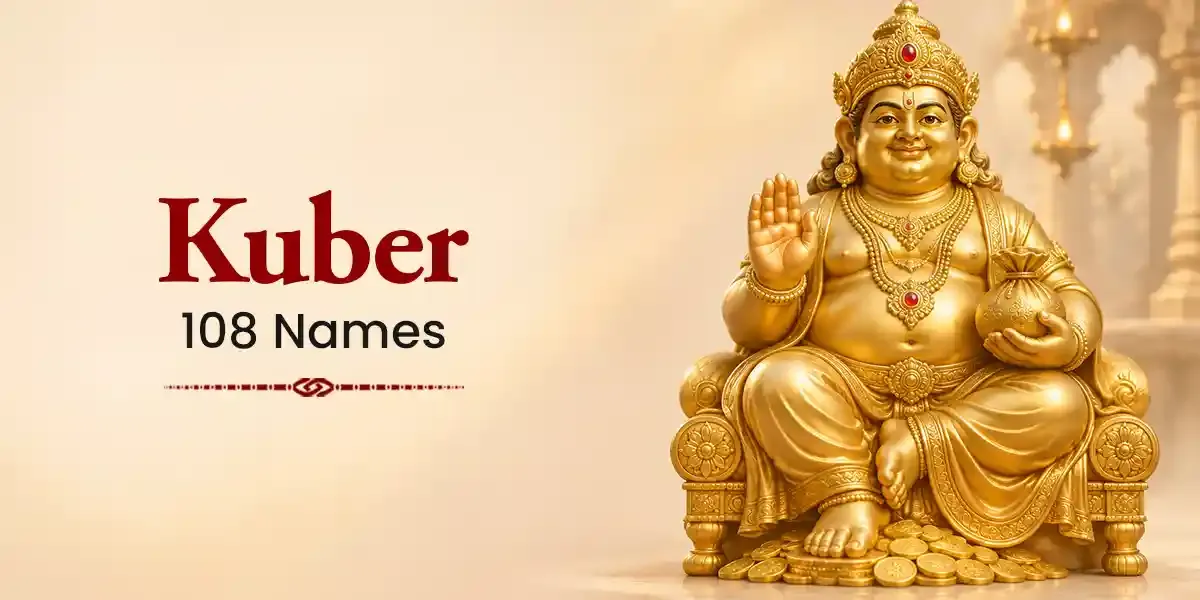
Lord Kubera is traditionally regarded as the guardian of wealth. Devotees worship him alongside Goddess Lakshmi during Diwali to seek blessings for financial stability and prosperity.
Mantra: Om Yakshaya Kuberaya Vaishravanaya Dhanadhanyadhipataye Dhanadhanyasamriddhim Me Dehi Dapaya Swaha.
Meaning: I offer my prayers to Lord Kubera and seek his blessings for wealth, food, and abundance.
Importance of Chanting Diwali Mantras
Mantra chanting holds a special place in Hindu traditions. During Diwali, devotees recite prayers dedicated to Goddess Lakshmi, Lord Ganesha, and Lord Kubera as part of their worship.
The Diwali puja mantra is traditionally associated with inviting prosperity, removing obstacles, and maintaining harmony within the household. Each mantra has its own significance. While Ganesh mantras are recited before beginning auspicious rituals, Lakshmi mantras are chanted to seek blessings for wealth and well-being.
Reciting these mantras with devotion also creates a peaceful atmosphere and helps family members focus on their prayers during the festive celebrations.
How to Chant Diwali Pujan Mantra?
Chanting a mantra does not require elaborate arrangements. However, following a simple sequence can help you perform your Diwali puja with devotion and attention.
Before starting the rituals, clean the place where you plan to perform the Diwali puja.
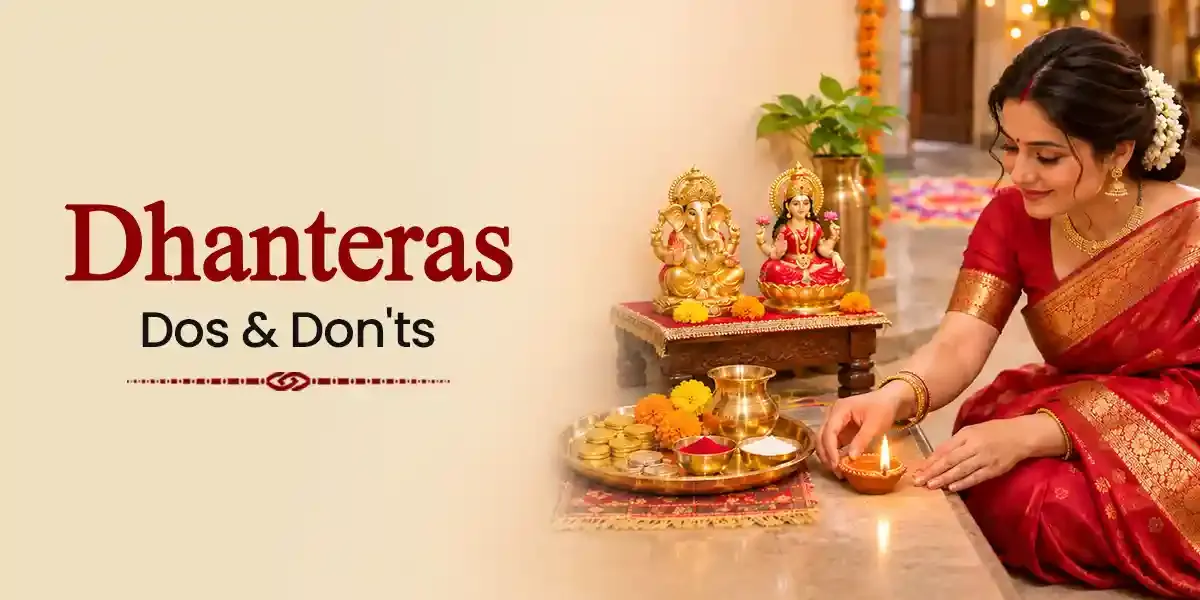
Place the idols or pictures of Goddess Lakshmi and Lord Ganesha on a clean platform covered with a red or yellow cloth.
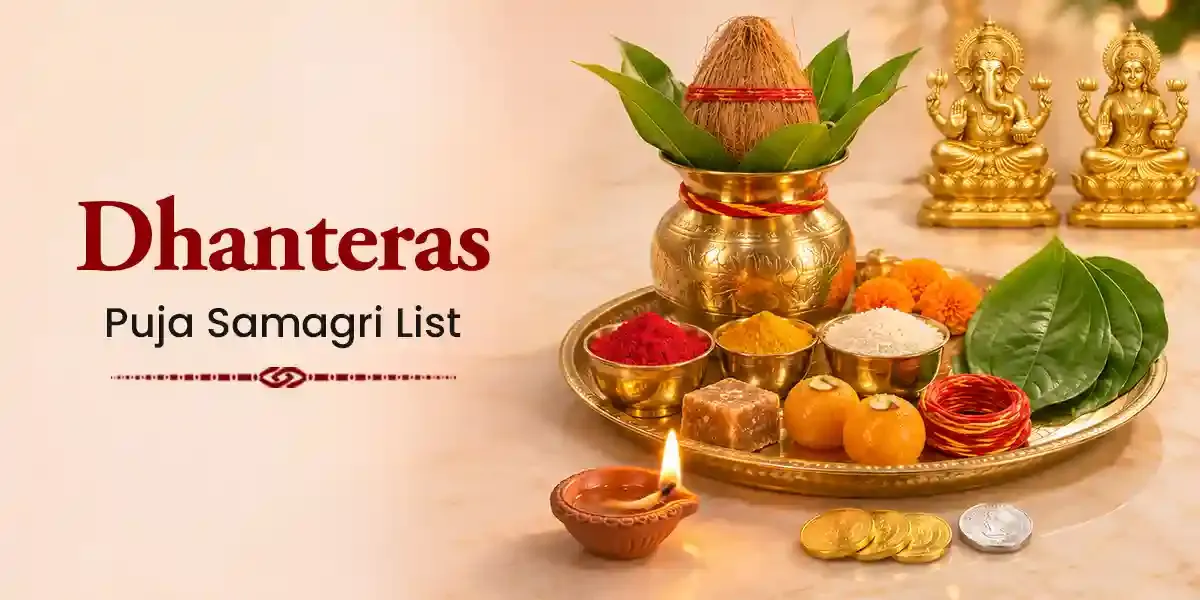
Keep flowers, kumkum, haldi, rice, sweets, fruits, incense sticks, diyas, and other required offerings ready.
Light an oil or ghee diya in front of the deities and offer flowers and sweets.
Start your prayers by chanting the Ganesh mantra before moving to the Lakshmi mantras.
Chant your chosen Diwali pooja mantra with a calm mind and devotion. You may repeat the mantra 11, 21, or 108 times, according to your family tradition and convenience.
Offer your prayers, perform the aarti, and distribute prasad among family members.
Benefits of Chanting Diwali Puja Mantra
In Hindu traditions, chanting Diwali mantras is considered an important way of expressing gratitude and seeking divine blessings. Some traditional benefits associated with these prayers include:
Lakshmi mantras are recited to seek blessings for wealth, abundance, and financial well-being.
Ganesh mantras are traditionally chanted before auspicious beginnings and important undertakings.
Regular mantra chanting can encourage a calm mind and a peaceful atmosphere at home.
Prayers to Lord Ganesha and Goddess Lakshmi are associated with wisdom, good judgment, and positive intentions.
Reciting sacred verses helps devotees feel more connected to their faith and festive traditions.
Final Words
Diwali is more than a celebration of lights; it is also an occasion to pause, offer prayers, and welcome the festive season with gratitude. From the Ganesh mantra to the Lakshmi Gayatri Mantra, each prayer has a special place in traditional Diwali worship.
You can include these mantras in your Lakshmi-Ganesh Puja and recite them with devotion alongside your family's customary rituals. May this Diwali bring happiness, harmony, prosperity, and new beginnings to your home.
Mantra List
- Kamala Mata Mantra
- Kaali Mantra
- Kuber Mantra
- Shri Ganesh Mantra
- Gayatri Mantra
- Diwali Pooja Mantra
- Lakshmi Mantra
- Shanti Paath Mantra
- Durga Mantra
- Saraswati Mantra
- Shani Mantra
- Hanuman Mantra
- Surya Mantra
- Krishna Mantra
- Mahamrityunjaya Mantra
- Om Mantra
- Lakshmi-Ganesh Mantra
- Shiva Mantra
- Murugan Mantra
- Shiv Namaskar Mantra
- Shiv Mrityunjay Mantra