

10 Reasons to Celebrate Diwali: Significance, Stories & Traditions
Diwali is known as the festival of lights, yet it is far more than a night of glowing lamps. The 10 reasons to celebrate Diwali come from Hindu, Jain, and Sikh traditions, along with harvest customs and family values. Each reason adds a layer to the festival's meaning.
Across India and beyond, regions highlight different stories. Some honor Lord Rama, others Goddess Lakshmi, or Lord Krishna. All of them point to one shared message: light overcomes darkness, and good overcomes evil. Here are the 10 reasons to celebrate Diwali, explained simply.
Quick Summary of the 10 Reasons to Celebrate Diwali
| Reason | Core Message |
|---|---|
| Birth of Goddess Lakshmi | Prosperity, gratitude, and abundance |
| Lord Rama's return | Good defeats evil, and dharma is restored |
| Lord Krishna and Narakasura | Freedom from oppression and inner darkness |
| Lord Vamana and King Bali | Humility over ego |
| Dhanteras | Health, security, and responsible wealth |
| Harvest and new accounts | Gratitude, renewal, and fresh beginnings |
| Light over darkness | Knowledge over ignorance, hope over despair |
| Lord Mahavira's nirvana | Spiritual liberation |
| Bandi Chhor Divas | Freedom, justice, and courage |
| Family and community | Togetherness, generosity, and shared joy |
1. Birth of Goddess Lakshmi
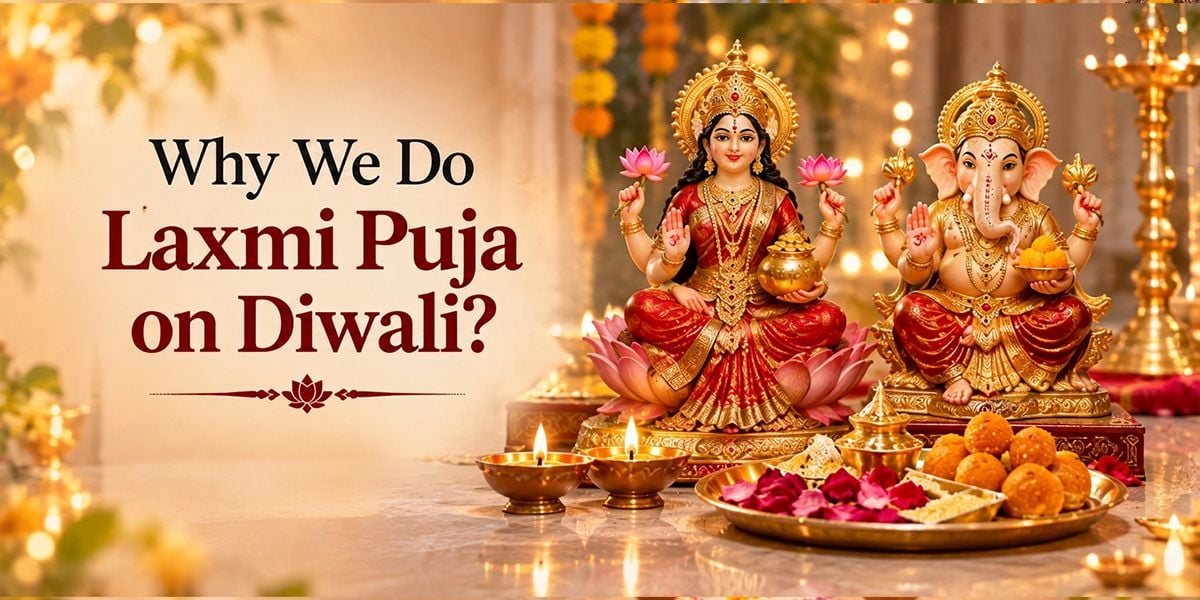
Goddess Lakshmi, the deity of wealth, fortune, and abundance, is said to have risen from the cosmic ocean of milk. This happened during Samudra Manthan, when the Devas and Asuras churned the ocean together. She emerged seated on a lotus.
This event is linked to the new moon night of Kartik. Goddess Lakshmi then chose Lord Vishnu as her consort, so many traditions mark Diwali as her birth and her sacred union. Homes are cleaned, lamps are lit, and prayers are offered for prosperity.
2. Return of Lord Rama to Ayodhya
In North India, Diwali mainly celebrates the return of Lord Rama to Ayodhya. He came back after 14 years of exile and his victory over Ravana, the demon king of Lanka. Sita, Lord Lakshmana, and Lord Hanuman returned with him.
The people of Ayodhya welcomed the royal party with rows of oil lamps. The word "Diwali" comes from "Deepavali," where "deepa" means "lamp" and "avali" means "row." The story stands for righteousness, family reunion, and hope after hardship.
3. Lord Krishna's Victory Over Narakasura
Many eastern and southern communities link Diwali to Lord Krishna's defeat of Narakasura. This tyrant king had imprisoned and oppressed many people, including women. Lord Krishna defeated him and freed the captives.
Naraka Chaturdashi, also called Choti Diwali, falls on the day before the main festival and remembers this victory. Narakasura symbolizes greed, cruelty, and bondage. His defeat represents freedom from both outer and inner darkness.
4. Lord Vamana and the Release of Goddess Lakshmi from Bali
Another Diwali story involves King Mahabali and Lord Vamana, the fifth incarnation of Lord Vishnu. Lord Vamana appeared as a dwarf Brahmin and asked the king for three paces of land. Once granted, he grew to cosmic size and covered the heavens and earth in two steps.
In some tellings, this event restored the blessings of Goddess Lakshmi to the world. The lesson is clear. Ego and material power have limits, and real prosperity needs humility and righteousness.
5. Dhanteras and the Worship of Lord Dhanvantari
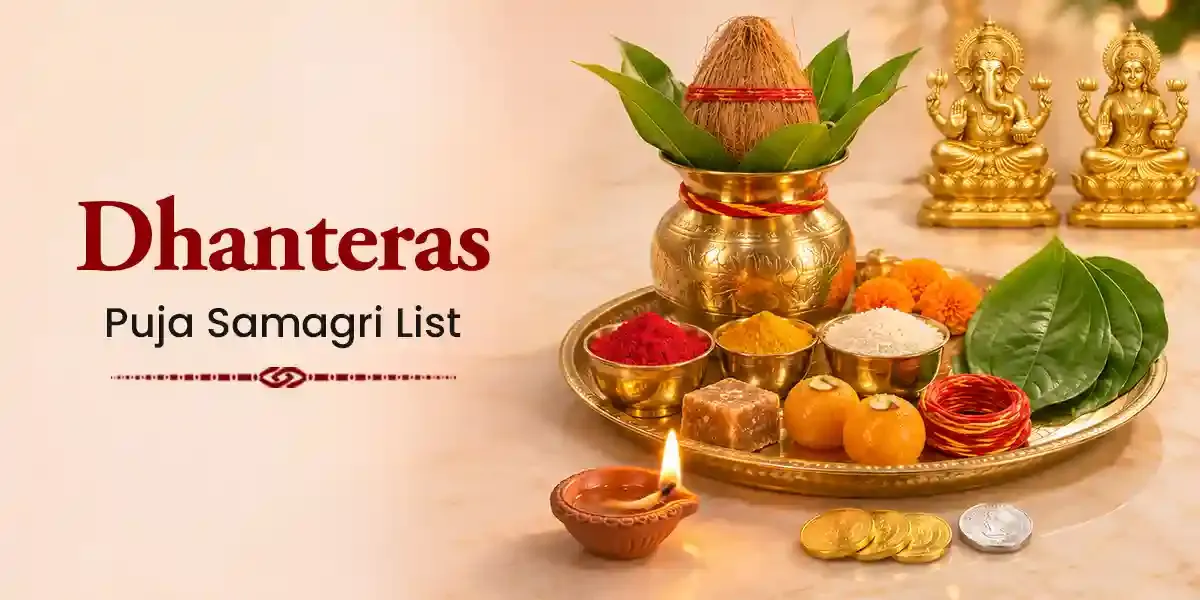
The holiday of Dhanteras, which is dedicated to Lord Dhanvantari, the god of health and the creator of Ayurveda, traditionally falls on the first day of the five-day holiday. In addition to Lord Dhanvantari, Goddess Lakshmi, and Lord Kubera, the god of wealth, are also worshiped on this day.
It is believed that gold, silver, and utensils should be bought on Dhanteras. The day is filled with meaning since purchasing gold or utensils signifies that one will invite health and wealth into their home, protecting their family from diseases and misfortunes.
Overall, when it comes to Diwali, it is important to note that material goods obtained during this period symbolize health and protection.
6. Harvest Season and the New Accounting Year
Apart from buying new things, people also celebrate the end of the harvest and the beginning of a new accounting year. In fact, Diwali traditionally falls at the end of the harvest period, so farmers were the first to express their gratitude to the goddess of wealth for a good harvest. They also performed various rituals to protect their crops from disasters and diseases.
Moreover, traders also traditionally used Diwali as the end of the accounting year. On this day, they closed old accounts, paid off debts, and began new ones, inviting wealth into their homes.
7. Victory of Light Over Darkness
The association of Diwali with the victory of light over darkness is reflected in all stories and rituals. Light symbolizes knowledge, faith, good qualities, and consciousness, while darkness usually symbolizes ignorance, evil, and vice versa.
Taking care of close ones and striving to become an example for others, spreading light and knowledge, is how one can achieve victory over darkness at the level of society. At the individual level, consciousness and faith may be the key to defeating evil.
8. Lord Mahavira's Nirvana in Jainism
Furthermore, for followers of Jainism, Diwali is celebrated as the day of the death of Lord Mahavira. According to tradition, Lord Mahavira, the 24th Tirthankara, attained nirvana on this day, thereby ending the cycle of birth and death.
As a sign of respect, Jains light lamps on Diwali in memory of Mahavira, who taught people to follow the path of virtues, knowledge, and voluntary mortification.
9. Bandi Chhor Divas in Sikhism
In addition, for Sikhs, Diwali is known as Bandi Chhor Divas, or the holiday of the release of prisoners. It was on this day that the fifth Sikh guru, Guru Hargobind, was freed from the Gwalior Fort along with 52 imprisoned kings.
The Sikh temples were decorated, and thousands of lamps were lit in the walls of the Golden Temple in Amritsar. Sikhs also honor the memory of Guru Arjan, who was martyred, and whose martyrdom happened several days before Diwali.
10. Renewal, Family, and Community
Moreover, Diwali is a holiday of mutual love and gratitude. People clean their homes and decorate them with rangoli, lights, and flowers to create a festive and welcoming atmosphere, as well as to invite Goddess Lakshmi into their homes.
People give sweets and gifts to loved ones and relatives, visit each other, and share food. Diwali is a day of helping those in need since only then can wealth and prosperity truly bring joy.
Other Traditions Linked to Diwali
Beyond the 10 reasons to celebrate Diwali, several regional observances add more depth. Each one fits into the five-day festival in its own way.
- Kali Puja: In West Bengal, Odisha, and Assam, Diwali night honors Goddess Kali, who destroys ignorance, ego, and injustice.
- Govardhan Puja: The day after Diwali remembers Lord Krishna lifting Govardhan Hill to shelter Vrindavan from the rain sent by Lord Indra. A large food offering called Annakut is prepared.
- Bali Pratipada: This day honors King Mahabali, who was granted a boon to visit his people every year.
- Pandavas' return: Some traditions link Diwali to the Pandavas coming back to Hastinapur after 12 years of exile.
- Bestu Varas: Gujarati communities begin their new year the day after Diwali. Traders perform Chopda Pujan, worshipping account books with Goddess Lakshmi and Lord Ganesha.
- Bhai Dooj: The final day celebrates the bond between brothers and sisters, based on the legend of Lord Yama visiting his sister Yamuna.
- Tihar in Nepal: This version of Diwali honors crows, dogs, cows, Goddess Lakshmi, and brothers across separate days.
Wondering how to bring these auspicious blessings into your own life this festive season? Speak with a verified astrologer on Astroyogi for personalized ritual guidance.
Conclusion
The 10 reasons to celebrate Diwali show a festival built from many stories, not one. Lord Rama's homecoming, the birth of Goddess Lakshmi, Lord Krishna's victory, Lord Mahavira's liberation, and Guru Hargobind Sahib's release all share the same heart. Light, righteousness, freedom, and hope sit at the center.
Whether Diwali is observed through prayer, a family meal, or a simple row of diyas, its purpose stays the same. It encourages gratitude, generosity, and a fresh start. That is what makes Diwali one of the most widely loved festivals in the world.
Team Astroyogi is an experienced in-house editorial team of passionate writers, researchers, and astrology enthusiasts dedicated to making ancient divination sciences more accessible and meaningful in everyday life. With years of collective experience in creating insightful astrology and spirituality content, the team specializes in simplifying complex spiritual concepts into practical guidance for readers seeking clarity, balance, and personal growth. The Astroyogi editorial team possesses expertise across a wide range of subjects, including Indian Astrology, Vedic Astrology, Planetary Transits, Horoscope Analysis, Vastu Shastra, Numerology, Tarot, Spiritual Wellness, and Ritual Practices. Every piece of content is carefully researched, fact-checked, and crafted with the intention of offering reliable, insightful, and easy-to-understand guidance rooted in traditional wisdom. Driven by a commitment to authenticity and reader trust, Team Astroyogi strives to create content that empowers individuals to navigate life’s opportunities and challenges with confidence, positivity, and inner peace. Their mission is to bridge ancient astrological knowledge with modern-day relevance, helping readers make informed decisions and lead more harmonious lives.