
Dussehra Mantra: Shastra Puja and Vijayadashami Mantras
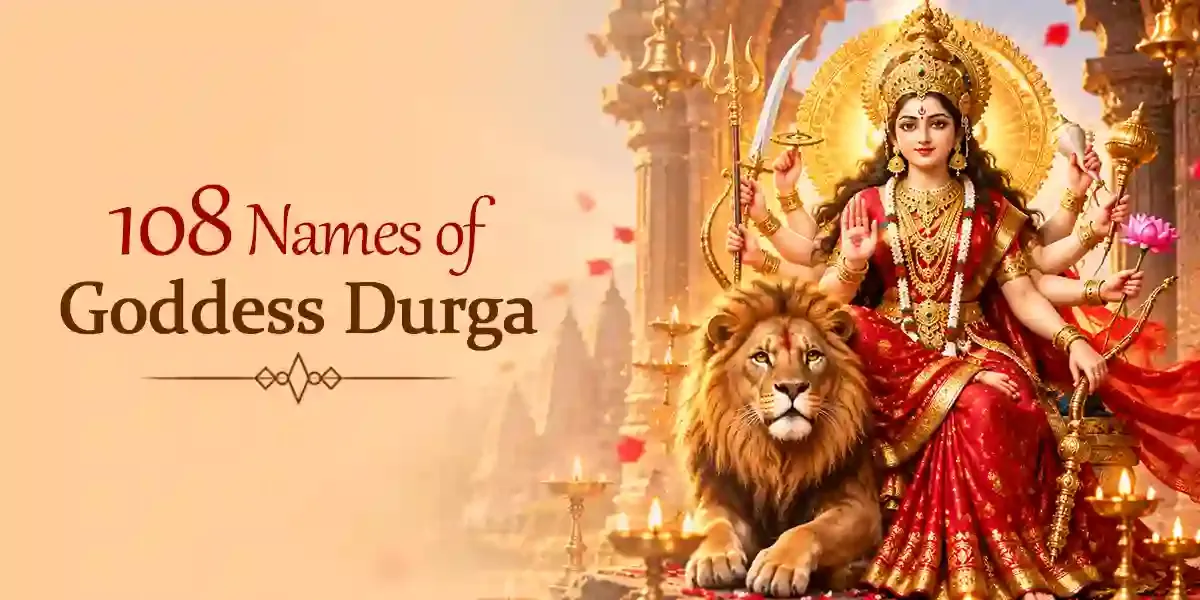
Dussehra, also known as Vijayadashami, celebrates the victory of good over evil. The festival marks Lord Rama's victory over Ravana and Goddess Durga's defeat of Mahishasura. Devotees celebrate the day with prayers and rituals that reflect courage, righteousness, and the importance of doing what is right.
Dussehra, also known as Vijayadashami, celebrates the victory of good over evil. The festival marks Lord Rama's victory over Ravana and Goddess Durga's defeat of Mahishasura. Devotees celebrate the day with prayers and rituals that reflect courage, righteousness, and the importance of doing what is right.
Shastra Puja is another important Dussehra tradition. People worship weapons, tools, and objects related to their profession to show respect for their role in daily life. Some devotees also perform Shami Puja and worship Goddess Aparajita as part of their Vijayadashami observances.
Here are some important Dussehra mantras, along with their meanings and significance.
Shastra Puja Mantra
Shastra Puja is an important Dussehra tradition in which people worship weapons and tools used in their work or profession. The ritual expresses respect for these objects and their role in helping people carry out their duties.
Mantra:
आश्विनस्य सिते पक्षे दशम्यां तारकोदये।
स कालो विजयो ज्ञेयः सर्वकार्यार्थसिद्धये॥
English:
Ashvinasya site pakshe dashamyam tarakodaye,
Sa kalo vijayo jneyah sarvakaryartha siddhaye.
Meaning of the Mantra:
According to this verse, the Dashami of the bright fortnight of Ashwin, when the stars appear, is known as Vijaya. This time is considered auspicious for completing important tasks.
Significance:
This verse explains why Vijaya Muhurat holds importance on Dussehra. Devotees consider it a favorable time to begin new tasks or undertake important activities.
This way, the meaning explains the verse, while the significance connects it to how devotees observe Vijayadashami.
Dussehra Puja Mantra
Lord Rama is central to Dussehra celebrations because his victory over Ravana represents the triumph of righteousness over evil. Devotees can recite his name during their prayers on this festival.
Mantra:
ॐ श्री रामाय नमः॥
English:
Om Shri Ramaya Namah.
Meaning:
I bow to Lord Shri Rama.
Significance:
Lord Rama is associated with truth, courage, and duty. Reciting his name is a way for devotees to express their faith and remember these qualities. On Dussehra, the mantra also reflects the festival's message that righteousness ultimately triumphs over wrongdoing.
Vijayadashami Mantra for Goddess Aparajita
Goddess Aparajita is worshipped on Vijayadashami for victory and success. According to Hindu tradition, devotees offer prayers to her before beginning a journey or undertaking an important task.
Mantra:
हारेण तु विचित्रेण भास्वत्कनकमेखला।
अपराजिता भद्ररता करोतु विजयं मम॥
English:
Hāreṇa tu vicitreṇa, bhāsvat-kanaka-mekhalā. Aparājitā bhadra-ratā, karotu vijayaṁ mama.
Meaning:
May Goddess Aparajita, adorned with a beautiful necklace and a shining golden waist belt, bless me with victory.
Significance:
Devotees recite this prayer during Aparajita Puja on Vijayadashami to seek the Goddess's blessings for success in their efforts. The worship is traditionally associated with victory and the successful completion of important undertakings.
Shami Puja Mantra for Dussehra
Shami Puja is observed in several parts of India on Vijayadashami. According to a popular Mahabharata tradition, the Pandavas hid their weapons in a Shami tree during their exile and later recovered them. This story connects the tree with Arjuna and the return of his weapons.
Mantra:
शमी शमयते पापं शमी शत्रुविनाशिनी।
अर्जुनस्य धनुर्धारी रामस्य प्रियदर्शिनी॥
करिष्यमाणयात्रायां यथाकालं सुखं मया।
तत्र निर्विघ्नकर्त्री त्वं भव श्रीरामपूजिते॥
English
Shami shamayate paapam, Shami shatru vinashini, Arjunasya dhanurdhari, Ramasya priyadarshini.
Karishyamaana yaatraayaam, yathaakaalam sukham mayaa, Tatra nirvighna kartri tvam bhava, Shri Rama poojite.
Meaning:
The Shami tree removes wrongdoing and destroys enemies. It is associated with Arjuna's bow and is dear to Lord Rama. The prayer also seeks the tree's blessings for the smooth completion of one's work without obstacles.
Significance:
The Shami Puja mantra reflects the tree's importance in traditional Dussehra stories. Devotees offer prayers to seek success in their undertakings, and in some regions, people exchange Shami leaves as a gesture of goodwill and good fortune.
Benefits of Chanting Dussehra Mantras
Dussehra mantras hold different meanings depending on the deity or ritual associated with them. Devotees recite these prayers as part of their religious observances.
Encourages righteous conduct: Prayers to Lord Rama highlight the importance of truth, duty, and courage.
Symbolizes victory: Worshipping the goddess Aparajita represents the hope of overcoming difficulties.
Honors work and skills: Shastra Puja expresses gratitude for the tools people depend on in their daily lives.
Preserves traditions: Shami Puja keeps alive stories and customs passed down through generations.
The rituals and their interpretation may vary across families and regions.
Conclusion
Dussehra is a time to remember the victory of righteousness and the values associated with Lord Rama and Goddess Durga. The prayers offered during Shastra Puja, Aparajita Puja, and Shami Puja reflect different aspects of Vijayadashami. Understanding their meanings helps devotees connect with these traditions and observe the festival according to their family customs.
Mantra List
- Kamala Mata Mantra
- Kaali Mantra
- Kuber Mantra
- Shri Ganesh Mantra
- Gayatri Mantra
- Diwali Pooja Mantra
- Lakshmi Mantra
- Shanti Paath Mantra
- Durga Mantra
- Saraswati Mantra
- Shani Mantra
- Hanuman Mantra
- Surya Mantra
- Krishna Mantra
- Mahamrityunjaya Mantra
- Om Mantra
- Lakshmi-Ganesh Mantra
- Shiva Mantra
- Murugan Mantra
- Shiv Namaskar Mantra
- Shiv Mrityunjay Mantra