


Diwali Celebrations Across India 2026: Traditions and Rituals by Region
Diwali celebrations in India take many forms, shaped by region, legend, family tradition, and local faith. Popularly known as the festival of lights, it carries a different heart in each part of the country.
Some regions welcome Goddess Lakshmi, others recall Lord Krishna's victory over the demon Narakasura, Bengal honors Goddess Kali, and Sikh communities observe Bandi Chhor Divas.
In North India, Diwali marks Lord Rama's return to Ayodhya after 14 years of exile. Homes are cleaned and lit to welcome Goddess Lakshmi. South India calls it Deepavali, beginning with Naraka Chaturdashi and a ceremonial oil bath before sunrise.
Every tradition shares one idea. Light, goodness, devotion, and renewal ultimately prevail over darkness.
Types of Diwali Celebrations in Different Regions of India
The table below offers a quick look at how Diwali is celebrated across India, with the main theme and appeal of each regional festivity.
| State / Region | Traditions & Rituals | Why Attend |
|---|---|---|
| Delhi | Lord Rama's return; Dhanteras, Lakshmi Puja, Govardhan Puja, Bhai Dooj | Temples, markets, and illuminated monuments |
| Mumbai | Maharashtrian family traditions; Vasu Baras, abhyanga snan, Diwali Pahat | Lanterns, faral, and dawn concerts |
| Maharashtra | A multi-day family festival beginning with Vasu Baras | Akash kandil lanterns, faral, and Bhau Beej |
| Tamil Nadu | Lord Krishna's victory over Narakasura; Ganga snanam, kolam | Early morning oil bath and traditional sweets |
| Karnataka | Naraka Chaturdashi and Bali Padyami; cow dung forts | Cleansing rituals and folk traditions |
| West Bengal | Goddess Kali's worship; Kali Puja, night worship | Dramatic temple celebrations |
| Gujarat | Prosperity and the Gujarati New Year: Chopda Pujan | A major festival for families and traders |
| Odisha | Kali Puja and remembrance of ancestors; Kaunriya Kathi | Worship, memory, and local custom |
| Punjab | Bandi Chhor Divas: Golden Temple illumination | A spiritual Sikh celebration of freedom |
| Ayodhya | Lord Rama's homecoming: Deepotsav | One of India's most spectacular settings |
Note on dates: Diwali dates vary by region and panchang because lunar tithis often overlap. In 2026, Dhanteras is widely observed on November 6 and Lakshmi Puja on November 8.
Govardhan Puja is commonly listed for November 9, Diwali Padwa and Bali Padyami for November 10, and Bhai Dooj for November 11. Local calculations may shift these by a day, so the muhurat for each city should be confirmed.
Consult our expert astrologers online to learn more about Diwali pooja methodology and Muhurat.
Delhi: Lakshmi Puja, Govardhan Puja, and Grand Illuminations
Delhi follows the classic North Indian five-day format. Families begin with Dhanteras, decorate homes with diyas and rangoli, and gather on Diwali evening for Lakshmi Puja, sweets, and gifts.
Govardhan Puja and Bhai Dooj follow. Public celebrations include festive shopping in Chandni Chowk, crafts at Dilli Haat, and illuminated landmarks such as India Gate.
Highlight: Lakshmi Puja at home, followed by illuminated markets and monuments.
When it will take place: Dhanteras falls on November 6, 2026, and Lakshmi Puja on November 8, around 5:54 PM to 7:50 PM, according to published listings.
Mumbai: Akash Kandil, Faral, and Diwali Pahat
Mumbai blends Maharashtra's family traditions with the energy of a bustling metropolis. Homes glow with akash kandil paper lanterns, rangoli, and diyas, while families prepare faral such as chakli, chivda, and karanji well before the main day.
The most distinctive feature is Diwali Pahat, dawn concerts of classical music, natya sangeet, and abhangs held across the city.
Highlight: Diwali Pahat concerts at dawn and lantern-lit balconies.
When it will take place: Dhanteras falls on November 6, 2026, and Lakshmi Pujan on November 8. Pahat events usually take place on the morning of the main Diwali day.
Maharashtra: Vasu Baras to Bhau Beej
Maharashtra celebrates one of India's longest Diwali traditions. It begins with Vasu Baras, a day dedicated to cows, followed by Dhanteras, when families buy gold, silver, or utensils.
Naraka Chaturdashi starts with abhyanga snan, an oil bath using fragrant herbal utane. Lakshmi Pujan follows on Diwali evening, then Diwali Padwa and Bhau Beej. Children build clay forts, and kitchens fill with faral.
Highlight: The full sequence from Vasu Baras to Bhau Beej.
When it will take place: Vasu Baras is listed for November 5, 2026, though some calendars place it on November 6. Lakshmi Pujan falls on November 8.
Tamil Nadu: Ganga Snanam, Kolam, and Deepavali Lehiyam
Tamil Nadu celebrates Deepavali by focusing on ‘Naraka Chaturdashi,' which is the story of Lord Krishna defeating Narakasura. Elders give an oil massage to younger family members before sunrise. This is followed by a ritual bath in the Ganga (Ganga snanam).
Families dress in fresh clothes, light ‘kuthu vilaku,' create kolams, and enjoy ‘Deepavali lehiyam.' Sweet foods like ‘Mysore pak’ and ‘Adhirasam’ are shared.
Highlights of the day include an oil bath, kolam making, and firework displays at sunrise.
Tamil Deepavali is celebrated on Sunday, 8th November 2026.
Karnataka: Naraka Chaturdashi and Bali Padyami
Karnataka begins its Deepavali celebrations with an early morning oil bath, aarti, fresh clothing, sharing sweet foods, and firing off fireworks. The oil bath represents cleansing and is a reminder that Lord Krishna had a bath after defeating Narakasura.
After performing Lakshmi Puja, the celebrations continue into ‘Bali Padyami,' a day to honor King Bali. The women create vibrant rangoli and small cow dung forts. Cows are dressed and worshipped.
A highlight of the day includes bathing in oil and celebrating ‘Bali Padyami’ in a traditional way.
Naraka Chaturdashi is celebrated on 8th November 2026. Bali Padyami is widely listed as 10th November.
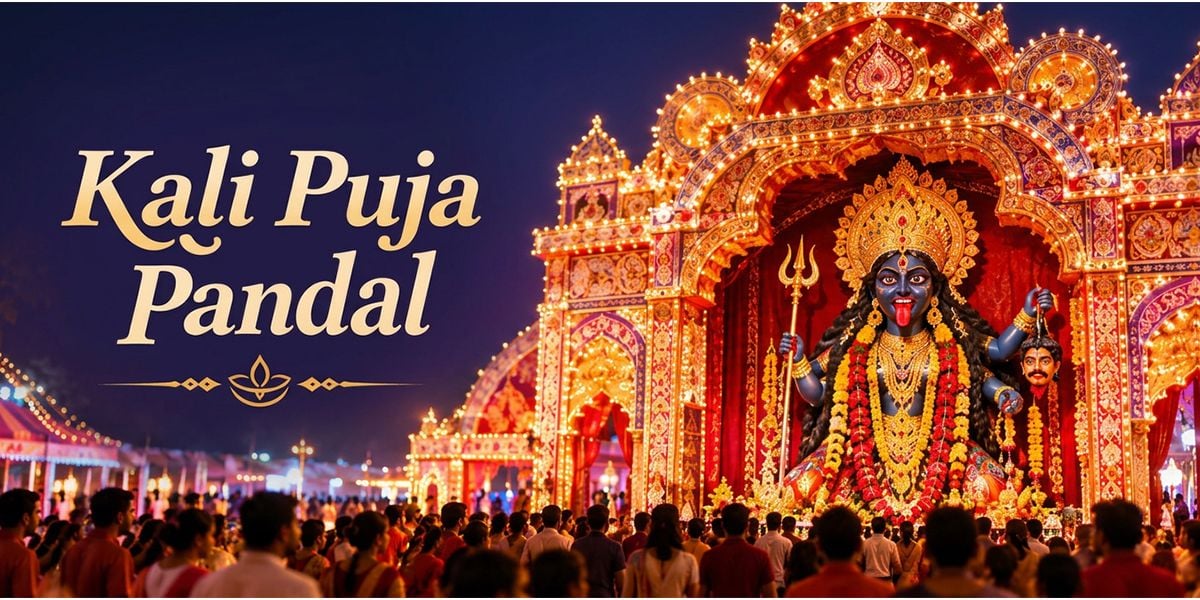
West Bengal: Kali Puja and the Night of the Goddess
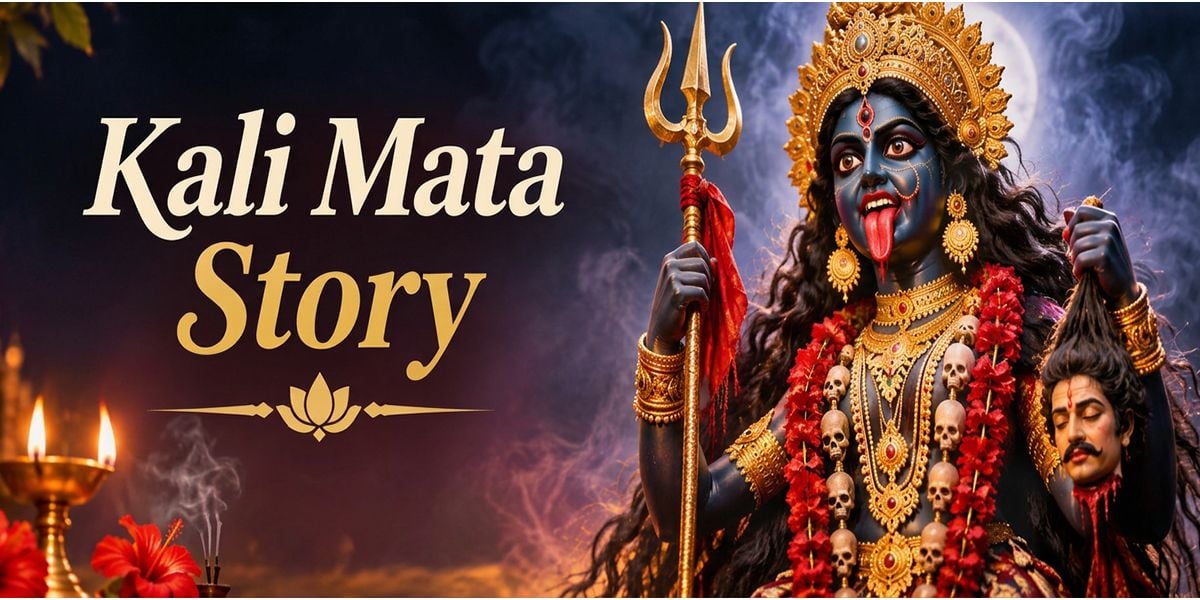
Diwali in West Bengal coincides with Kali Puja (Shyama Puja). Instead of celebrating the night to honor Goddess Lakshmi, they worship Goddess Kali. She is a fierce protector who rids people of ignorance, fear, and negative thoughts.
Houses and temples are decorated with lights, and special prayers are performed throughout the night.
A highlight includes the whole night of Kali Puja and decorating houses with lights.
Kali Puja is celebrated on the Deepavali Amavasya date of 8th November 2026.
Gujarat: Chopda Pujan and the Gujarati New Year
Diwali is celebrated as a religious holiday and marks the beginning of a new business year in Gujarat. Families light 'diyas,' perform Lakshmi Puja, and share sweet foods.
‘Chopda Pujan’ is celebrated, where traders and families pray over their books, ledgers, and pens. ‘Annakut’ is generally celebrated the day after Diwali with a large vegetarian offering.
A highlight includes ‘Chopda Pujan’.
Chopda Pujan is generally celebrated on the main Diwali evening of 8th November 2026.
Odisha: Kali Puja and Kaunriya Kathi
Kali Puja is celebrated alongside Lakshmi Puja and remembrance of ancestors. Many communities celebrate Goddess Kali by lighting lights and praying for protection on the night of the new moon.
The Odia tradition of ‘Kaunriya Kathi’ involves lighting jute sticks and calling upon ancestors.
A highlight includes ‘Kaunriya Kathi’.
Kali Puja, the main Deepavali celebration, is celebrated on 8th November 2026.
Also read: How Do We Celebrate Diwali? Know the Traditions and Rituals
Punjab: Bandi Chhor Divas and the Golden Temple
For Sikh communities, Diwali coincides with Bandi Chhor Divas, the Day of Liberation. It commemorates Guru Hargobind Ji's release from Gwalior Fort and his return to Amritsar with 52 freed kings.
The Golden Temple is lit with thousands of lamps, and devotees gather for kirtan, prayers, langar, and fireworks. Its reflection in the sacred sarovar makes it one of India's most moving festival scenes.
Highlight: The illuminated Golden Temple and community celebration.
When it will take place: Bandi Chhor Divas is observed on Diwali night, November 8, 2026.
Ayodhya: Deepotsav and the Return of Lord Rama
Ayodhya, revered as Lord Rama's birthplace, celebrates the return of Lord Rama, Goddess Sita, and Lord Lakshmana after their victory over Ravana.
The highlight is Deepotsav, when thousands of diyas are lit along the Saryu River, recreating the legendary welcome. Temple rituals, processions, and Ramayana-themed displays add to the atmosphere.
Highlight: Deepotsav, with thousands of diyas along the Saryu ghats.
When it will take place: Deepotsav is scheduled around November 5 to 7, 2026, with the main lamp lighting on the evening of November 7. Diwali falls on November 8.
Final Thoughts
Delhi offers the classic North Indian Diwali, while Mumbai and Maharashtra celebrate a rich multi-day family festival. Tamil Nadu and Karnataka begin with cleansing oil baths, and Bengal and Odisha turn the new moon into a night of Kali worship.
Gujarat links Diwali with business blessings, Punjab observes Bandi Chhor Divas, and Ayodhya recreates Lord Rama's homecoming. Across every variation, the festival celebrates light over darkness, knowledge over ignorance, and hope over fear.
Team Astroyogi is an experienced in-house editorial team of passionate writers, researchers, and astrology enthusiasts dedicated to making ancient divination sciences more accessible and meaningful in everyday life. With years of collective experience in creating insightful astrology and spirituality content, the team specializes in simplifying complex spiritual concepts into practical guidance for readers seeking clarity, balance, and personal growth. The Astroyogi editorial team possesses expertise across a wide range of subjects, including Indian Astrology, Vedic Astrology, Planetary Transits, Horoscope Analysis, Vastu Shastra, Numerology, Tarot, Spiritual Wellness, and Ritual Practices. Every piece of content is carefully researched, fact-checked, and crafted with the intention of offering reliable, insightful, and easy-to-understand guidance rooted in traditional wisdom. Driven by a commitment to authenticity and reader trust, Team Astroyogi strives to create content that empowers individuals to navigate life’s opportunities and challenges with confidence, positivity, and inner peace. Their mission is to bridge ancient astrological knowledge with modern-day relevance, helping readers make informed decisions and lead more harmonious lives.