

How Do We Celebrate Diwali? Know the Traditions and Rituals
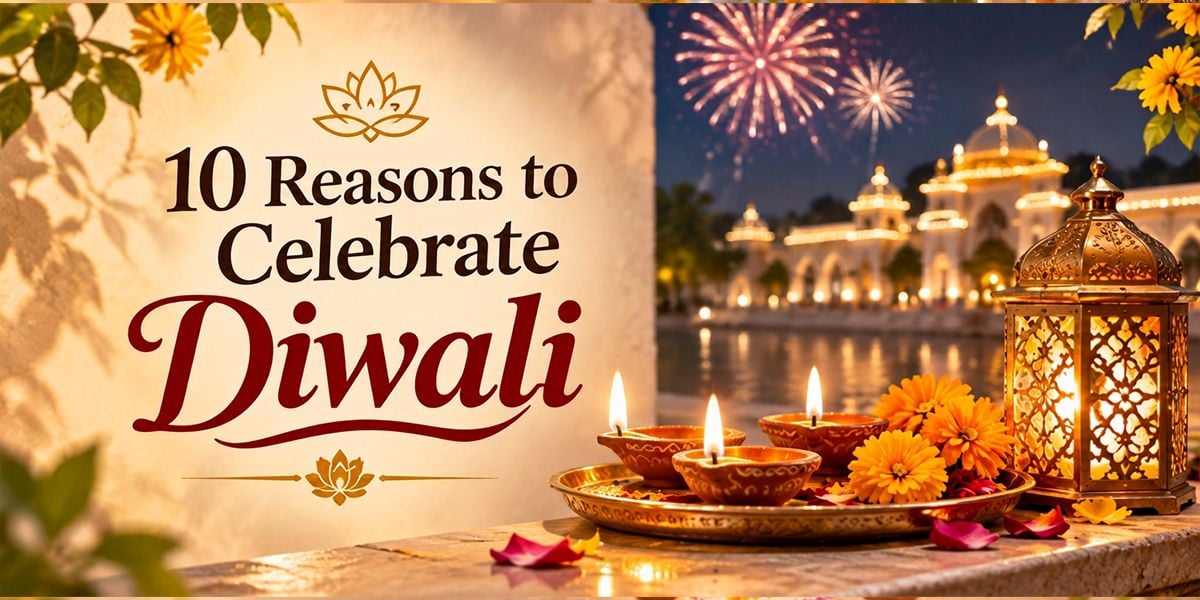
Diwali, the Festival of Lights, is celebrated by cleaning and decorating homes, lighting diyas, performing Goddess Lakshmi and Lord Ganesha puja, sharing sweets and gifts, wearing festive clothes, and spending time with loved ones. Customs differ by family, region, and faith, but the spirit stays the same.
The Five Days of Diwali
Spanning five consecutive days, each day of Diwali holds its own unique cultural, spiritual, and traditional significance, brought to life through specific rituals and joyful gatherings.
| Name | How It Is Celebrated |
|---|---|
| Dhanteras | The home is cleaned, and gold, silver, or utensils are bought as auspicious items. Prayers are offered for health and prosperity. |
| Naraka Chaturdashi (Choti Diwali) | Many families take an early bath, decorate the home, and light lamps. In many regions, Lord Krishna's victory over Narakasura is remembered. |
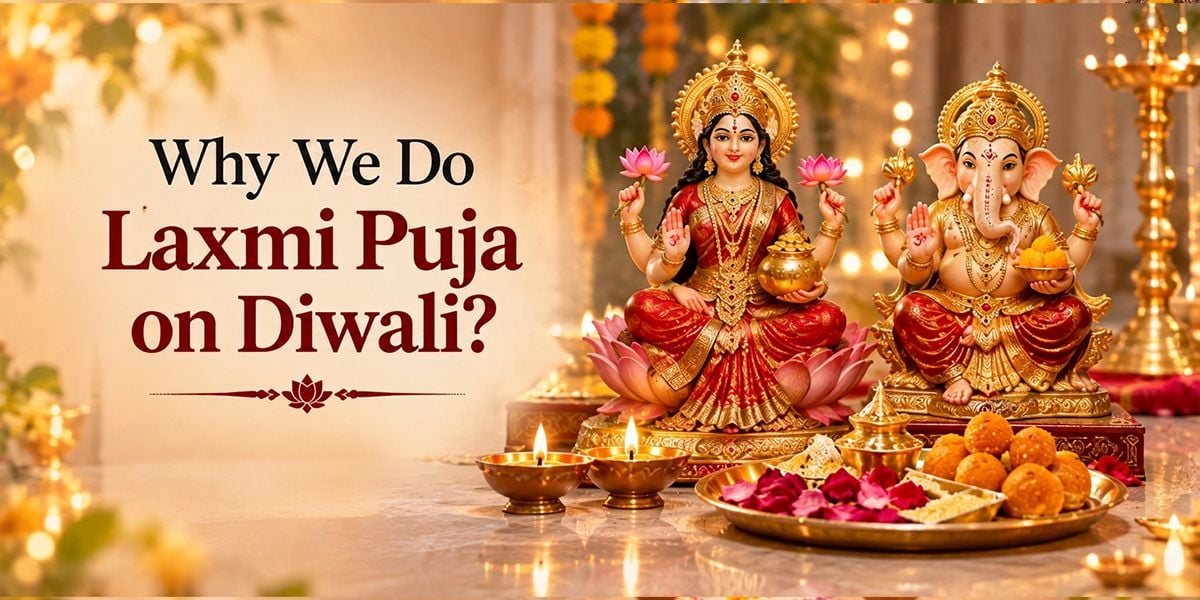
| Lakshmi Puja (Main Diwali) | The central puja to Goddess Lakshmi and Lord Ganesha is performed. Diyas are lit, a family feast is shared, and gifts are exchanged. |
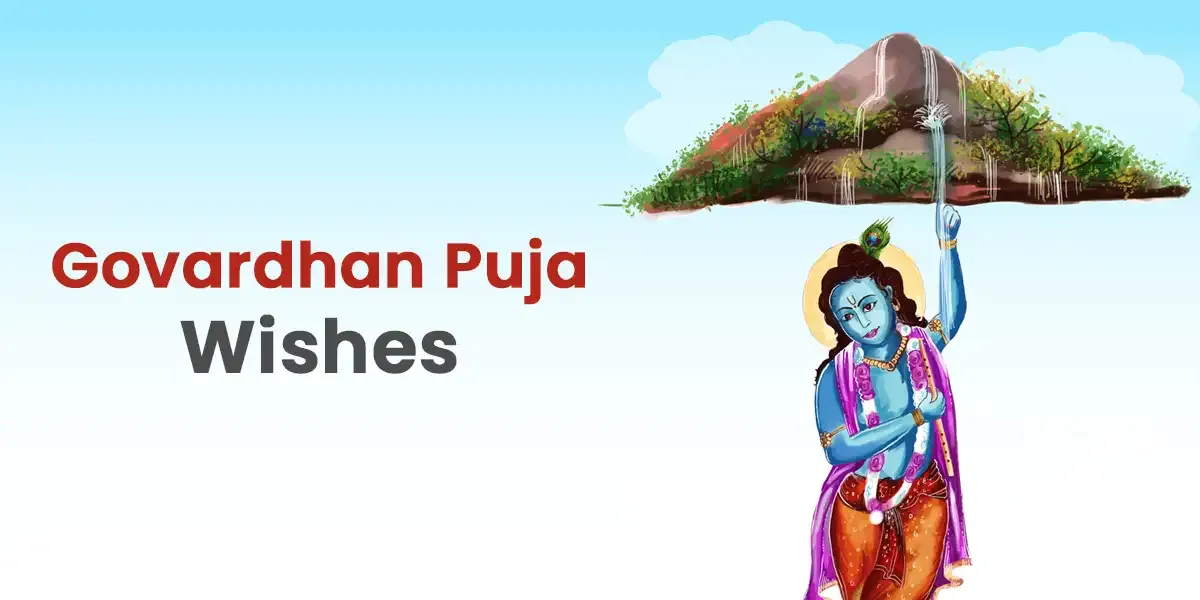
| Govardhan Puja (Annakut or Bali Pratipada) | Food is offered to the deities, and special meals are prepared. In some regions, the bond between Lord Krishna and Govardhan Hill is celebrated. |
| Bhai Dooj | Sisters pray for their brothers' long lives and apply a ceremonial tika. Brothers often give gifts in return. |
How to Celebrate Diwali at Home: Step by Step
1. Clean and Organize the Home
The celebrations begin with deep cleaning, clearing clutter, and tidying the entrance. Cleaning is practical, and it also symbolizes removing negativity to make space for positivity, prosperity, and the blessings of Goddess Lakshmi.
Areas that receive special attention include:
- The main entrance and doorstep
- The prayer area or puja room
- Kitchen and dining spaces
- Windows, mirrors, and light fixtures
- Storage areas that collect unused items
2. Decorate with Diyas, Lights, and Rangoli
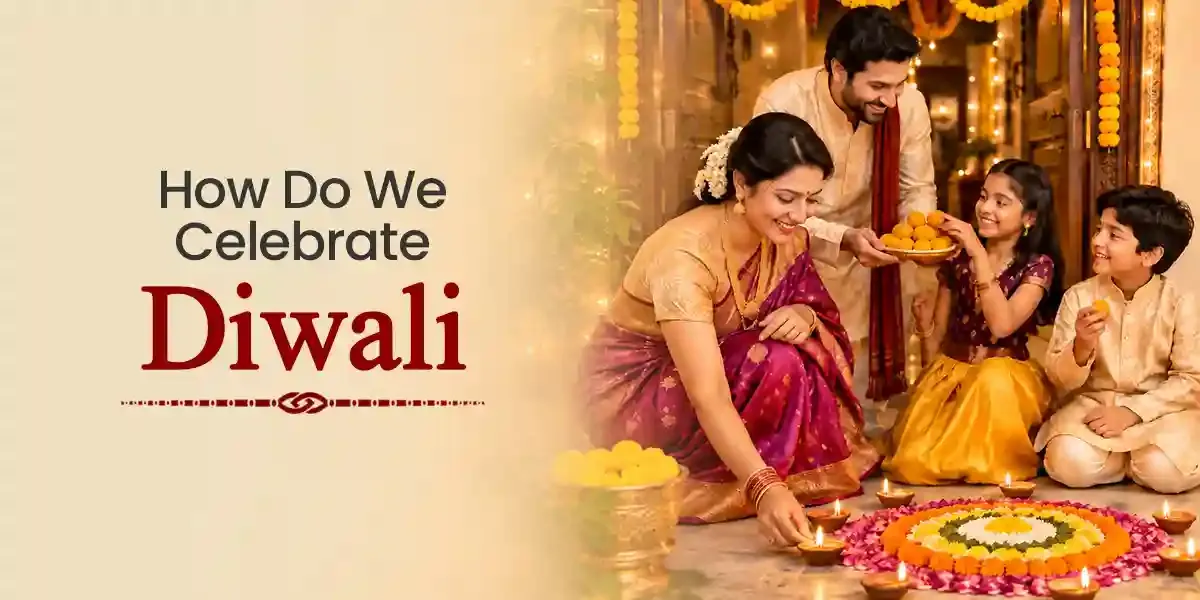
Diyas, the small clay oil lamps, are placed near entrances, windows, balconies, pathways, and the prayer area. Candles, lanterns, string lights, and fresh flowers add to the glow. The lamps represent hope, prosperity, and the triumph of good.
Rangoli is created at the entrance using colored powders, rice, flower petals, or chalk. Traditional motifs include lotus flowers, footprints symbolizing the arrival of Goddess Lakshmi, geometric patterns, peacocks, and diyas.
Torans made of marigold flowers or fabric are often hung on the front door to complete the festive look.
3. Set Up the Puja Space
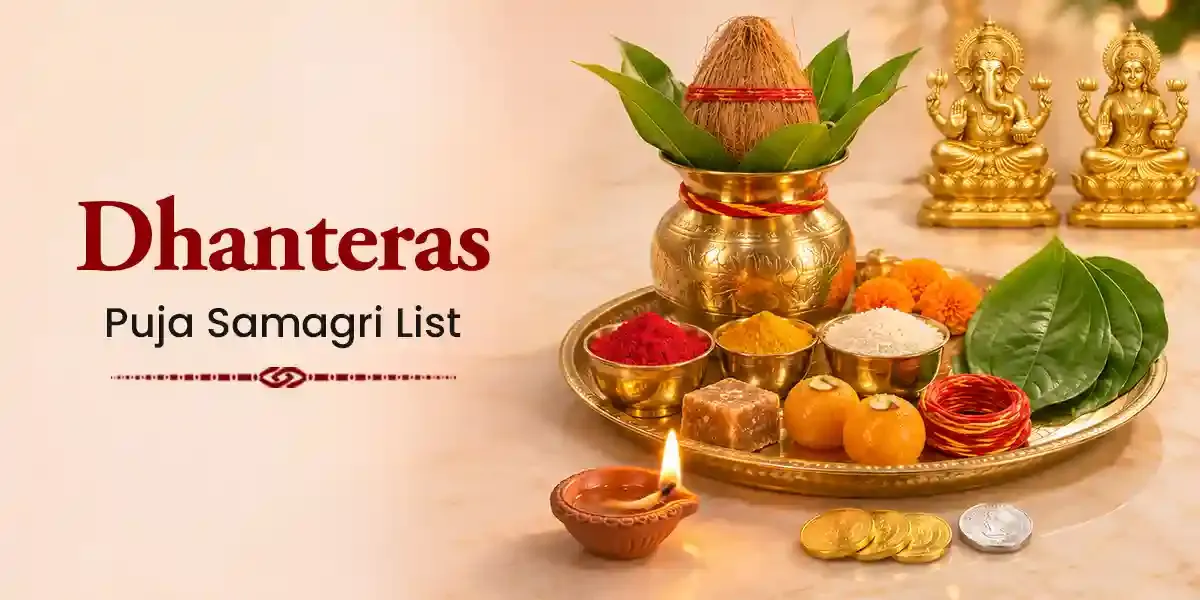
A simple home puja needs only a few items. The space is usually arranged with:
- A clean cloth or wooden platform
- Images or idols of Goddess Lakshmi and Lord Ganesha
- A diya or lamp
- Incense sticks
- Flowers, especially marigolds or lotus
- Sweets, fruit, and dry fruits
- Rice, turmeric, kumkum, and water
- Coins, gold, silver, or other symbolic wealth items
Lord Ganesha, the remover of obstacles, is worshipped first in many households. Prayers to Goddess Lakshmi follow, seeking blessings for wealth, health, and success.
4. Wear Festive Clothes
Many families wear new or their best traditional clothing, such as kurtas, sarees, salwar kameez, or lehengas. New clothes represent renewal, celebration, and respect for the auspicious occasion.
5. Prepare and Share Festive Food
Food is central to Diwali. Families prepare sweets, snacks, and a special meal, then share them with relatives, friends, neighbors, and people in need. Sharing mithai is among the most recognizable customs of the festival.
Popular choices include:
- Sweets: laddoo, barfi, kaju katli, gulab jamun, jalebi, soan papdi, and halwa
- Savory snacks: chivda, namkeen, mathri, chakli, sev, and samosas
- Festive meals: puri, sabzi, dal, rice, kheer, and regional family specialties
6. Exchange Gifts
Gifts such as sweets, dry fruits, clothes, jewelry, utensils, books, plants, candles, or handmade cards express affection and strengthen bonds with family, friends, colleagues, and neighbors.
Some ways to make gifting more meaningful:
- A handwritten Diwali card
- A donation to a charity or food drive
- A gift for someone who may be alone during the festival
- Eco-friendly items such as plants, reusable diyas, or locally made crafts
7. Celebrate with Family and Community
Diwali is deeply social. People visit relatives, host meals, join community events, attend temple celebrations, play games, and spend time together.
Diwali Preparation Checklist
- Cleaning supplies
- Diyas, wicks, oil, candles, and string lights
- Rangoli colors, rice flour, flower petals, or stencils
- Toran, marigold garlands, and fresh flowers
- Image or idol of Goddess Lakshmi and Lord Ganesha
- Puja thali, roli, kumkum, rice, incense, camphor, and water
- Sweets, dry fruits, fruits, and prasad ingredients
- Gift boxes, wrapping paper, and cards
- Festive outfits and accessories
Lakshmi and Ganesha Puja at Home
A simple puja can be performed in the following order:
- Clean the puja area and cover it with a clean cloth.
- Place the images or idols of Goddess Lakshmi and Lord Ganesha.
- Arrange the diya, incense, flowers, sweets, fruit, rice, kumkum, and water.
- Light the diya on a stable surface.
- Begin with prayers to Lord Ganesha.
- Offer flowers, rice, sweets, and prayers to Goddess Lakshmi.
- Share the prasad with the family.
- Light diyas around the home.
Rituals vary by family, region, and tradition. Following the custom of one's own family is always the best approach.
How Different Communities Celebrate Diwali
Diwali is not celebrated identically everywhere. A few regional and religious variations include:
- North India: Lord Rama's return, Lakshmi Puja, Dhanteras, and Bhai Dooj take center stage.
- South India: Naraka Chaturdashi is emphasized, often with an early morning oil bath and remembrance of Lord Krishna's victory over Narakasura.
- Gujarat and Maharashtra: Govardhan Puja, Annakut, and New Year celebrations are prominent.
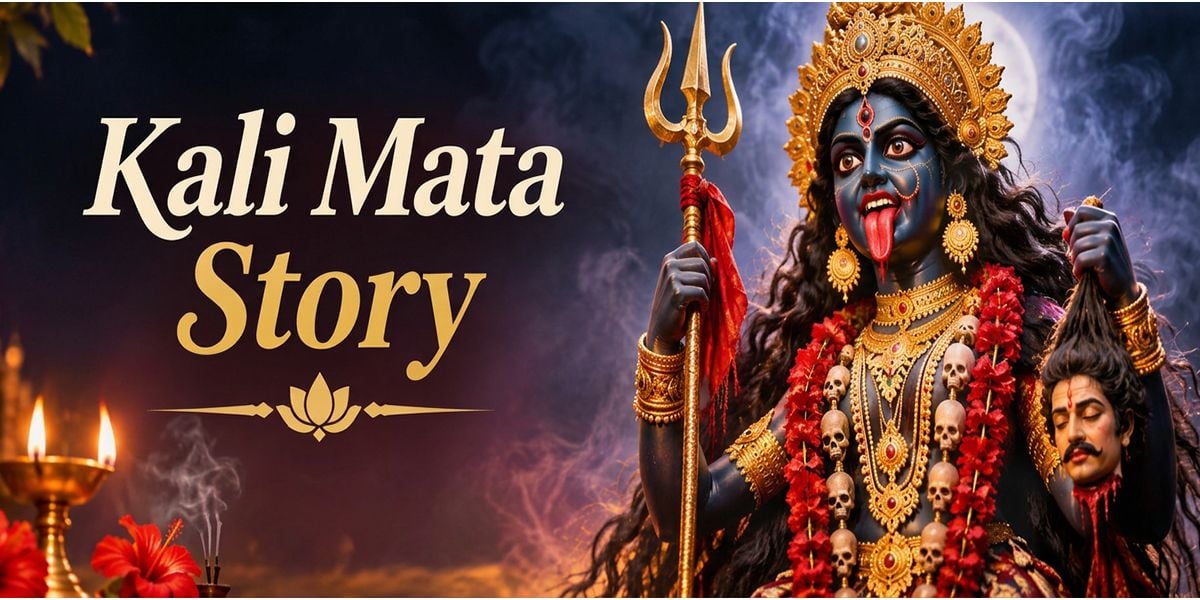
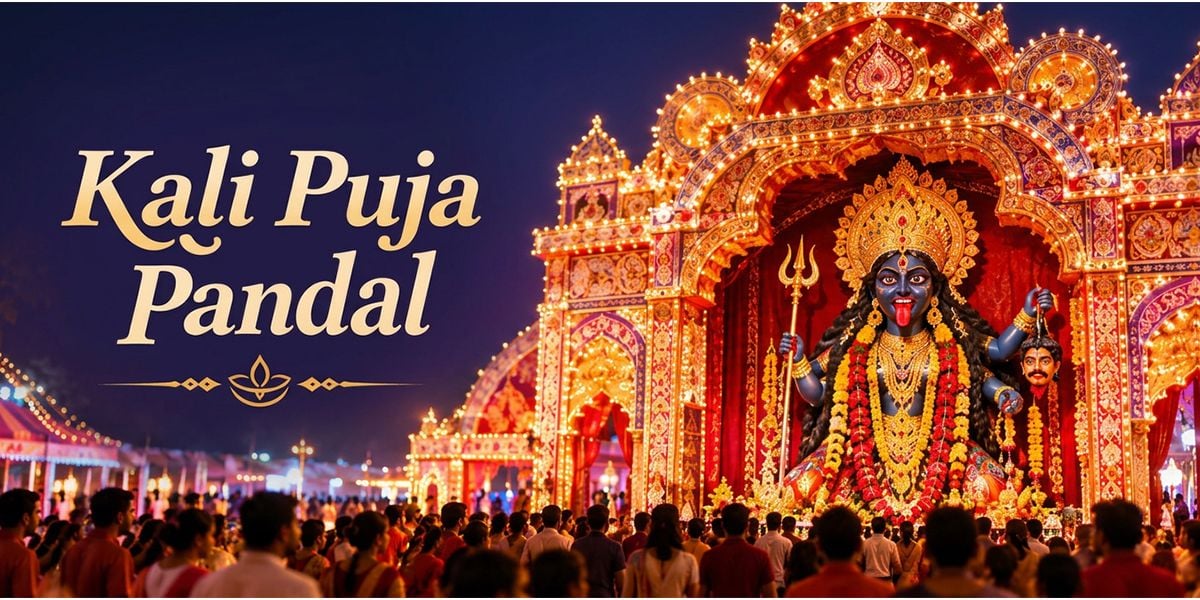
- Bengal and Odisha: Many households worship Goddess Kali during this time.
- Jains: Diwali marks the day Lord Mahavira attained nirvana, observed with prayer, reflection, and temple visits.
- Sikhs: The release of Guru Hargobind Ji from imprisonment is commemorated through gurdwara visits and illuminated homes.
- Buddhists: Some communities, particularly Newar Buddhists, observe related festivals honoring Emperor Ashoka.
The common thread across all of them is renewal, gratitude, light, community, and hope for a better year ahead.
Want to dive deeper into the spiritual significance, auspicious timings, and personalized rituals for these celebrations? Consider consulting with verified astrologers on Astroyogi to explore these traditions in more detail.
Eco-Friendly Diwali Ideas
Sustainable choices let the festival stay joyful while reducing its impact on the environment:
- Clay diyas instead of plastic lights
- Rangoli made from flower petals, grains, or spices
- Reusable fabric torans and cloth gift wrapping
- LED lights on timers
- Homemade sweets packed in reusable boxes
- Plantable seed paper cards
- Charity donations in place of excessive firecrackers
FAQs
- How do we celebrate Diwali at home?
Homes are cleaned and decorated with diyas and rangoli. A puja to Goddess Lakshmi and Lord Ganesha is performed, followed by a family meal, sweets, and gifts.
- What is the main Diwali puja?
The Lakshmi Puja, performed on the third day, is the main puja. It honors Goddess Lakshmi along with Lord Ganesha.
- What sweets are made during Diwali?
Popular sweets include laddoo, barfi, kaju katli, gulab jamun, jalebi, soan papdi, halwa, and kheer.
- How can Diwali be celebrated without fireworks?
Diyas, string lights, lanterns, rangoli, music, games, and community events offer joyful and safer alternatives.
- How do kids celebrate Diwali?
Children enjoy painting diyas, making paper lanterns, creating rangoli, reading Diwali stories, and making cards for loved ones.
- What should guests bring to a Diwali celebration?
Sweets, dry fruits, flowers, or a small thoughtful gift are common choices.
- How is Diwali celebrated in different parts of India?
Customs vary widely. North India emphasizes Lord Rama's return, South India highlights Naraka Chaturdashi, Gujarat and Maharashtra mark Govardhan Puja and the new year, and Bengal and Odisha worship Goddess Kali.
Conclusion
Diwali brings together ritual, generosity, and togetherness. Cleaning the home, lighting diyas, performing puja, sharing food, and caring for others all reflect the festival's message of light, gratitude, and renewal. Whether celebrated in a large family gathering or a quiet apartment, the spirit of Diwali remains the same.
Talk to Astrologers
View All


Team Astroyogi is an experienced in-house editorial team of passionate writers, researchers, and astrology enthusiasts dedicated to making ancient divination sciences more accessible and meaningful in everyday life. With years of collective experience in creating insightful astrology and spirituality content, the team specializes in simplifying complex spiritual concepts into practical guidance for readers seeking clarity, balance, and personal growth. The Astroyogi editorial team possesses expertise across a wide range of subjects, including Indian Astrology, Vedic Astrology, Planetary Transits, Horoscope Analysis, Vastu Shastra, Numerology, Tarot, Spiritual Wellness, and Ritual Practices. Every piece of content is carefully researched, fact-checked, and crafted with the intention of offering reliable, insightful, and easy-to-understand guidance rooted in traditional wisdom. Driven by a commitment to authenticity and reader trust, Team Astroyogi strives to create content that empowers individuals to navigate life’s opportunities and challenges with confidence, positivity, and inner peace. Their mission is to bridge ancient astrological knowledge with modern-day relevance, helping readers make informed decisions and lead more harmonious lives.