
Ganga Aarti (Om Jaya Gange Mata)
Ganga Aarti is a sacred Hindu prayer dedicated to Goddess Ganga, seeking divine blessings, purity, peace, prosperity, and liberation. Devotees chant this beautiful hymn with devotion during daily worship and festivals.
Ganga Aarti (॥ Aarti Shri Gangaji ॥)
Ganga Aarti is one of the most revered devotional hymns dedicated to Goddess Ganga, the sacred river worshipped as the divine mother in Hinduism. The River Ganga is considered the holiest river in India and is believed to wash away sins, purify the soul, and grant spiritual liberation (Moksha). Millions of devotees gather every day at famous ghats such as Haridwar, Varanasi, and Rishikesh to witness the magnificent Ganga Aarti performed with lamps, bells, chants, and devotional songs.
The hymn "Om Jaya Gange Mata" is among the most popular Aartis sung in praise of Goddess Ganga. It expresses gratitude, devotion, and faith while seeking blessings for happiness, prosperity, protection, and salvation.
॥ Aarti Shri Gangaji ॥
Om Jaya Gange Mata,
Maiya Jaya Gange Mata।
Jo Nara Tumako Dhyata,
Manavanchhita Phala Pata॥
Om Jaya Gange Mata॥
Chandra-Si Jyoti Tumhari,
Jala Nirmala Ata।
Sharana Pade Jo Teri,
So Nara Tara Jata॥
Om Jaya Gange Mata॥
Putra Sagara Ke Tare,
Saba Jaga Ko Jnata।
Kripa Drishti Ho Tumhari,
Tribhuvana Sukha Data॥
Om Jaya Gange Mata॥
Eka Bara Jo Prani,
Sharana Teri Ata।
Yama Ki Trasa Mitakara,
Paramagati Pata॥
Om Jaya Gange Mata॥
Aarti Matu Tumhari,
Jo Nara Nita Gata।
Sevaka Vahi Sahaja Mein,
Mukti Ko Pata॥
Om Jaya Gange Mata॥
Meaning of Ganga Aarti
The Ganga Aarti beautifully glorifies Goddess Ganga as the divine mother who blesses humanity with purity, peace, and salvation. Every verse reflects deep devotion and reminds devotees of the sacred power of the holy river.
The opening verse declares that anyone who meditates upon Mother Ganga with sincere devotion receives the fulfilment of righteous desires. It highlights the compassionate nature of the Goddess, who blesses every sincere devotee.
The second verse compares Goddess Ganga's brilliance to the soothing radiance of the moon. Her pure waters symbolize spiritual cleansing, and anyone who takes refuge in her divine grace is believed to overcome worldly suffering and attain liberation.
The third verse recalls the ancient legend of King Sagara's sons, who attained salvation through the descent of the River Ganga. It praises Goddess Ganga as the benefactor of all three worlds and the giver of happiness to all living beings.
The fourth verse explains that anyone who sincerely surrenders to Mother Ganga is freed from the fear of death and receives the highest spiritual destination, known as Moksha.
The concluding verse states that devotees who sing this sacred Aarti daily with faith and devotion receive divine blessings and ultimately attain liberation through the grace of Goddess Ganga.
Spiritual Significance of Ganga Aarti
Ganga Aarti is much more than a devotional song. It is a sacred expression of gratitude toward one of the most worshipped rivers in the world. According to Hindu scriptures, Goddess Ganga descended from heaven through the prayers of King Bhagiratha to liberate his ancestors. Since then, she has been regarded as the purifier of sins and the eternal source of life.
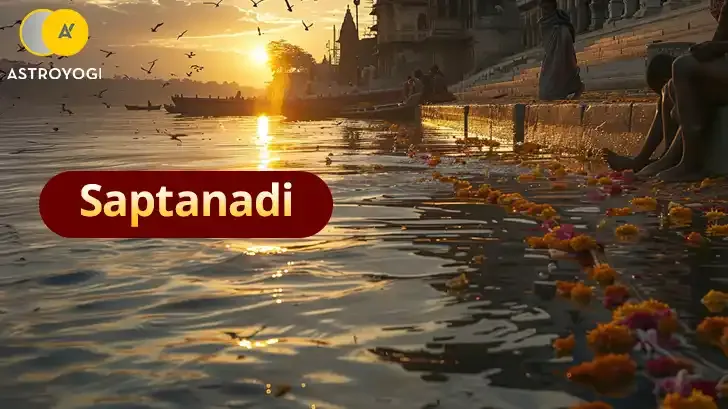
The evening Ganga Aarti performed at riverbanks represents the offering of light to the divine. Priests wave large oil lamps while chanting Vedic mantras, ringing bells, and blowing conch shells. The entire ceremony symbolizes the victory of purity over darkness and ignorance.
Watching or participating in Ganga Aarti creates a spiritually uplifting atmosphere that fills devotees with devotion, peace, and inner joy.
Benefits of Chanting Ganga Aarti
Reciting Ganga Aarti regularly is believed to bring numerous spiritual and emotional benefits. Devotees believe that sincere worship of Mother Ganga helps purify the mind, body, and soul while strengthening faith and devotion.
Some commonly believed benefits include:
- Removes negative energies and mental stress.
- Brings peace, happiness, and spiritual satisfaction.
- Helps devotees seek forgiveness for past mistakes.
- Increases positivity and inner strength.
- Protects the family from difficulties.
- Inspires purity in thoughts and actions.
- Brings prosperity and good fortune.
- Helps devotees move toward spiritual liberation (Moksha).
While these benefits are rooted in religious belief and tradition, many devotees also experience emotional comfort and a deeper sense of connection through regular prayer.
Best Time to Perform Ganga Aarti
Although Ganga Aarti can be recited at any time, certain occasions are considered especially auspicious. The most preferred time is during sunrise or sunset, when the calm atmosphere enhances devotion and meditation.
Many devotees also perform Ganga Aarti on:
- Ganga Dussehra
- Kartik Purnima
- Makar Sankranti
- Dev Diwali
- Mondays and Fridays
- Daily morning and evening prayers
Those living away from the River Ganga may worship using a picture or idol of Goddess Ganga and offer clean water, flowers, incense, and a lit lamp while chanting the Aarti.
How to Perform Ganga Aarti at Home
Performing Ganga Aarti at home is simple and filled with devotion. Begin by cleaning the worship area and placing an image or idol of Goddess Ganga. Light a diya and incense sticks before offering fresh flowers and clean water.
Fold your hands and meditate on Goddess Ganga. Chant the complete Ganga Aarti with sincerity while gently waving the lamp in circular motions before the deity. Offer prayers for the well-being of your family, spiritual progress, and universal peace. Conclude by bowing respectfully and distributing prasad among family members.
Importance of River Ganga in Hinduism
The River Ganga is not only a physical river but also a symbol of divine grace, purity, and compassion. Hindu scriptures describe her as a celestial river flowing from the heavens to bless humanity. Pilgrims travel from across the world to bathe in her sacred waters, perform ancestral rites, and seek divine blessings.
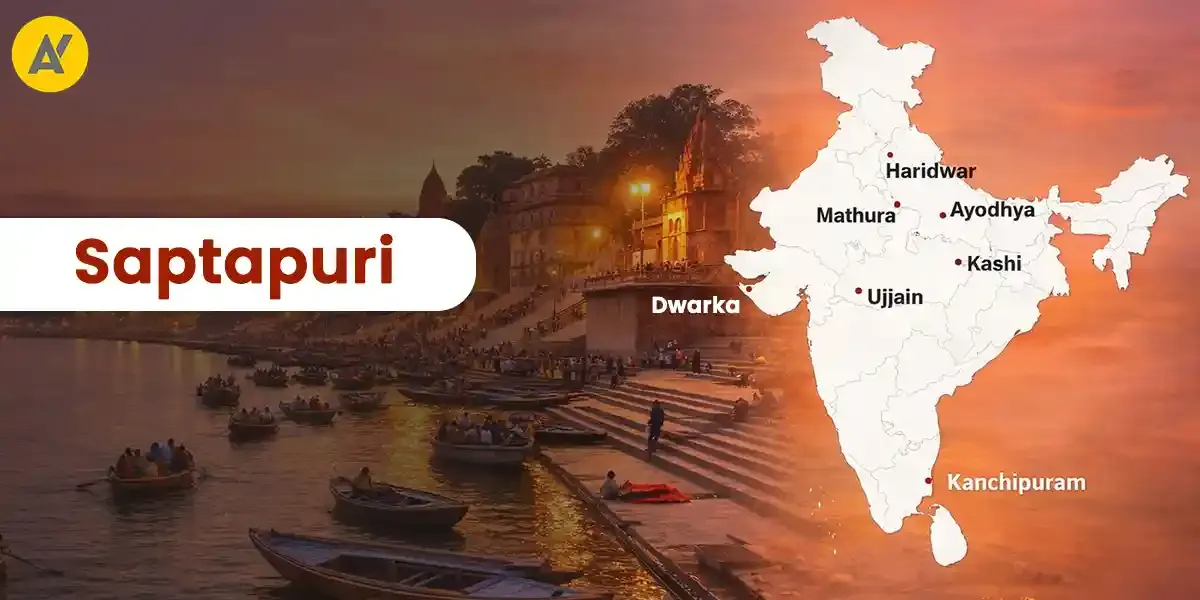
Cities such as Haridwar, Varanasi, Prayagraj, Rishikesh, and Gangotri are among the holiest destinations associated with Goddess Ganga. The daily Ganga Aarti at these sacred places continues to inspire millions with its powerful blend of faith, tradition, and spirituality.
Conclusion
Ganga Aarti is a timeless devotional hymn that celebrates the divine glory of Goddess Ganga. Its sacred verses inspire faith, gratitude, and devotion while reminding devotees of the importance of purity, compassion, and spiritual awakening. Whether recited at the banks of the holy river or in the comfort of one's home, the Aarti brings peace, hope, and divine blessings to all who sing it with sincere devotion. Through regular worship of Mother Ganga, devotees seek not only worldly happiness but also the ultimate goal of spiritual liberation and eternal peace.