
Maa Kushmanda Aarti Lyrics
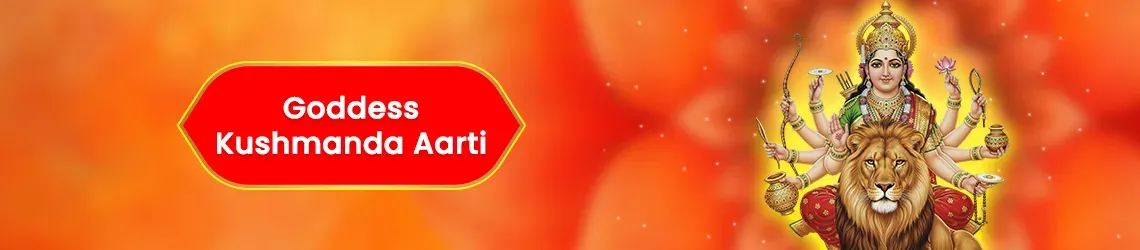
Maa Kushmanda is the fourth divine manifestation of Goddess Durga and is worshipped on the fourth day of Sharadiya and Chaitra Navratri. She is believed to have created the universe with her radiant smile, earning the name "Kushmanda," where "Ku" means little, "Ushma" means warmth or energy, and "Anda" means cosmic egg. Devotees worship Maa Kushmanda to receive strength, prosperity, wisdom, courage, and good health.
Many devotees across the world prefer Maa Kushmanda Aarti in English because it allows them to pronounce the sacred verses correctly while understanding their spiritual meaning. Singing the Aarti with faith fills the surroundings with divine vibrations and strengthens one's connection with the Goddess.
Kushmanda Jai Jag Sukhadani, Mujh Par Daya Karo Maharani.
Pingla Jwalamukhi Nirali, Shakambari Maa Bholi Bhali.
Lakhon Naam Nirale Tere, Bhakt Kai Matwale Tere.
Bhima Parvat Par Hai Dera, Sweekaro Pranam Ye Mera.
Sabki Sunti Ho Jagdambe, Sukh Pahunchati Ho Maa Ambe.
Tere Darshan Ka Main Pyasa, Poorn Kar Do Meri Aasha.
Maa Ke Man Mein Mamta Bhaari, Kyon Na Sunegi Arj Hamari.
Tere Dar Par Kiya Hai Dera, Door Karo Maa Sankat Mera.
Mere Karaj Poore Kar Do, Mere Tum Bhandare Bhar Do.
Tera Daas Tujhe Hi Dhyaaye, Bhakt Tere Dar Sheesh Jhukaye.
Meaning of Maa Kushmanda Aarti
The Maa Kushmanda Aarti praises the divine mother as the creator and sustainer of the universe. She is worshipped by Brahma, Vishnu, Mahesh, sages, celestial beings, and devotees alike. The hymn glorifies her radiant form, her eight divine arms carrying celestial weapons and the pot of nectar, and her unique position within the Sun, symbolizing limitless energy.
The Aarti also seeks the Goddess's blessings to remove diseases, sorrow, obstacles, fear, and negativity while granting happiness, prosperity, wisdom, courage, and spiritual growth. It reminds devotees that sincere devotion always brings divine grace and inner peace.
Significance of Maa Kushmanda
According to Hindu scriptures, Maa Kushmanda created the universe when nothing existed except darkness. Her gentle smile generated the cosmic energy that gave birth to creation. She resides in the core of the Sun and is believed to provide the energy that sustains all life.
Her radiant form represents positivity, vitality, confidence, creativity, and spiritual illumination. Devotees pray to her for good health, wealth, success, and the removal of all hardships.
Benefits of Chanting Maa Kushmanda Aarti
Reciting Maa Kushmanda Aarti daily or during Navratri offers numerous spiritual and emotional benefits:
- Removes negative energies and obstacles from life.
- Brings peace, happiness, and prosperity.
- Improves confidence and inner strength.
- Blesses devotees with good health and vitality.
- Enhances spiritual awareness and devotion.
- Attracts positive energy into the home.
- Helps overcome fear, stress, and anxiety.
- Invites divine protection and success.
Many devotees also believe that regular worship of Maa Kushmanda strengthens family harmony and attracts abundance in personal and professional life.
How to Perform Maa Kushmanda Aarti
Performing Maa Kushmanda Aarti is simple but should be done with devotion and sincerity.
- Wake up early and take a bath before worship.
- Clean the prayer area and place an idol or picture of Maa Kushmanda.
- Decorate the altar with fresh flowers and a clean red or yellow cloth.
- Offer kumkum, turmeric, sandalwood paste, fruits, sweets, and seasonal flowers.
- Light a ghee lamp and incense sticks.
- Chant Maa Kushmanda's mantra or Durga Saptashati verses.
- Sing the Maa Kushmanda Aarti with complete devotion.
- Offer prasad to the Goddess and distribute it among family members.
- Pray for peace, health, prosperity, and spiritual growth.
Best Time to Recite Maa Kushmanda Aarti
Although the Aarti can be sung every day, it is especially auspicious during:
- Fourth day of Navratri (Chaturthi)
- Morning after daily puja
- Evening during Sandhya Aarti
- Durga Puja celebrations
- Fridays dedicated to Goddess worship
- During personal prayers for health and prosperity
Reciting the Aarti during Brahma Muhurta or sunset is considered particularly beneficial.
Spiritual Importance During Navratri
The fourth day of Navratri is dedicated to Maa Kushmanda, who symbolizes the creative power of the universe. Worshipping her on this day is believed to awaken the Anahata (Heart) Chakra, bringing emotional balance, compassion, courage, and unconditional love.
Devotees observe fasting, offer pumpkins (considered dear to the Goddess), perform special pujas, and chant her Aarti to seek divine blessings. Her worship inspires positivity and encourages spiritual transformation by removing ignorance and replacing it with wisdom.
Conclusion
Reciting the Maa Kushmanda Aarti in English enables devotees around the world to sing this sacred hymn with confidence while understanding its spiritual significance. Whether during Navratri or daily worship, this Aarti invokes the blessings of the fourth form of Goddess Durga, bringing health, prosperity, courage, wisdom, and divine protection into one's life. Chant it with unwavering faith and devotion to experience inner peace, positivity, and the boundless grace of Maa Kushmanda.
Jai Maa Kushmanda 🙏