
Shri Kuber Stotram Lyrics in Sanskrit, Meaning and Benefits
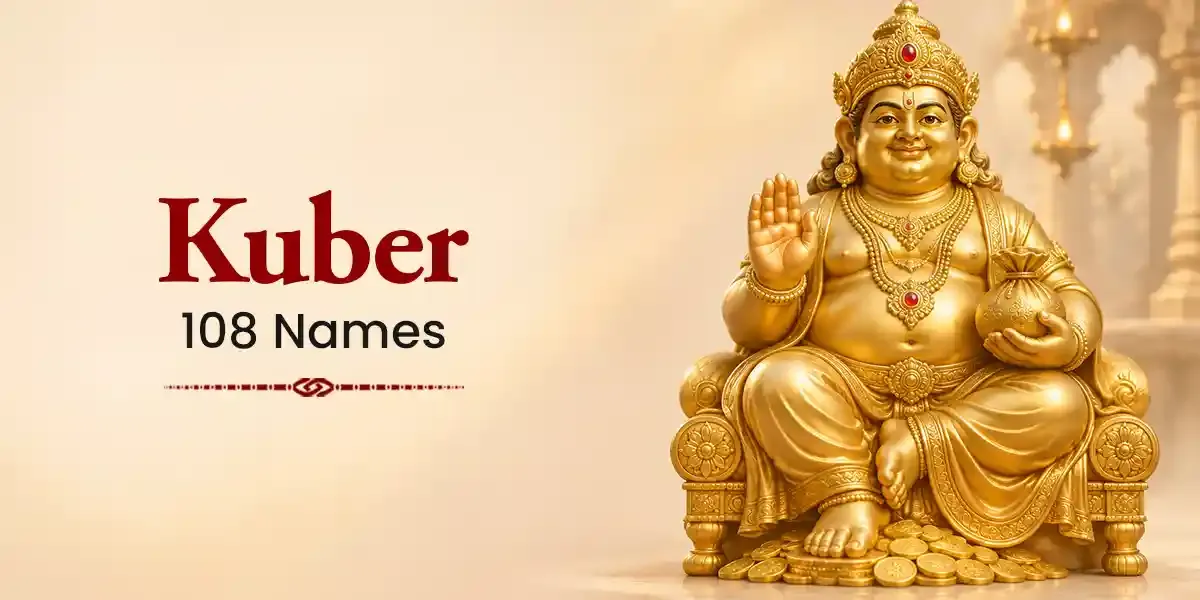
In Hindu mythology, Lord Kuber is worshipped as the God of Wealth and the divine treasurer of the gods. Devotees pray to him for prosperity, financial stability, abundance, and success in their lives. One of the traditional ways to seek his blessings is by reciting the Kuber Stotra with devotion.
Shri Kuber Stotram In Sanskrit
कुबेरो धनद श्रीदः राजराजो धनेश्वरः । धनलक्ष्मीप्रियतमो धनाढ्यो धनिकप्रियः ॥ १ ॥
दाक्षिण्यो धर्मनिरतः दयावन्तो धृढव्रतः । दिव्य लक्षण सम्पन्नो दीनार्ति जनरक्षकः ॥ २ ॥
धान्यलक्ष्मी समाराध्यो धैर्यलक्ष्मी विराजितः । दयारूपो धर्मबुद्धिः धर्म संरक्षणोत्सकः ॥ ३ ॥
निधीश्वरो निरालम्बो निधीनां परिपालकः । नियन्ता निर्गुणाकारः निष्कामो निरुपद्रवः ॥ ४ ॥
नवनाग समाराध्यो नवसङ्ख्या प्रवर्तकः । मान्यश्चैत्ररथाधीशः महागुणगणान्वितः ॥ ५ ॥
याज्ञिको यजनासक्तः यज्ञभुग्यज्ञरक्षकः । राजचन्द्रो रमाधीशो रञ्जको राजपूजितः ॥ ६ ॥
विचित्रवस्त्रवेषाढ्यः वियद्गमन मानसः । विजयो विमलो वन्द्यो वन्दारु जनवत्सलः ॥ ७ ॥
विरूपाक्ष प्रियतमो विरागी विश्वतोमुखः । सर्वव्याप्तो सदानन्दः सर्वशक्ति समन्वितः ॥ ८ ॥
सामदानरतः सौम्यः सर्वबाधानिवारकः । सुप्रीतः सुलभः सोमो सर्वकार्यधुरन्धरः ॥ ९ ॥
सामगानप्रियः साक्षाद्विभव श्री विराजितः । अश्ववाहन सम्प्रीतो अखिलाण्ड प्रवर्तकः ॥ १० ॥
अव्ययोर्चन सम्प्रीतः अमृतास्वादन प्रियः । अलकापुरसंवासी अहङ्कारविवर्जितः ॥ ११ ॥
उदारबुद्धिरुद्दामवैभवो नरवाहनः । किन्नरेशो वैश्रवणः कालचक्रप्रवर्तकः ॥ १२ ॥
अष्टलक्ष्म्या समायुक्तः अव्यक्तोऽमलविग्रहः । लोकाराध्यो लोकपालो लोकवन्द्यो सुलक्षणः ॥ १३ ॥
सुलभः सुभगः शुद्धो शङ्कराराधनप्रियः । शान्तः शुद्धगुणोपेतः शाश्वतः शुद्धविग्रहः ॥ १४ ॥
सर्वागमज्ञो सुमतिः सर्वदेवगणार्चकः । शङ्खहस्तधरः श्रीमान् परं ज्योतिः परात्परः ॥ १५ ॥
शमादिगुणसम्पन्नः शरण्यो दीनवत्सलः । परोपकारी पापघ्नः तरुणादित्यसन्निभः ॥ १६ ॥
दान्तः सर्वगुणोपेतः सुरेन्द्रसमवैभवः । विश्वख्यातो वीतभयः अनन्तानन्तसौख्यदः ॥ १७ ॥
प्रातः काले पठेत् स्तोत्रं शुचिर्भूत्वा दिने दिने । तेन प्राप्नोति पुरुषः श्रियं देवेन्द्रसन्निभम् ॥ १८ ॥
इति श्री कुबेर स्तोत्रम् ॥
Kuber Chalisa | Kuber Mantra | Kuber Aarti | Kuber Puja Vidhi
Shri Kuber Stotram in English
Kubero Dhanada Shridah Rajarajo Dhaneshwarah,
Dhanalakshmi Priyatamo Dhanadhyo Dhanikapriyah. (1)
Dakshino Dharmaniroto Dayavanto Dridhavratah,
Divya Lakshana Sampanno Deenarti Jana Rakshakah. (2)
Dhanyalakshmi Samaradhyo Dhairyalakshmi Virajitah,
Dayarupo Dharmabuddhih Dharma Samrakshanotsukah. (3)
Nidhishwaro Niralambo Nidhinam Paripalakah,
Niyanta Nirgunakarah Nishkamo Nirupadravah. (4)
Navanaga Samaradhyo Nav Sankhya Pravartakah,
Manyashcha Chaitrarathadhishah Mahaguna Gananvitah. (5)
Yajnyiko Yajanasaktah Yajnyabhug Yajnyarakshakah,
Rajachandro Ramadhisho Ranjako Rajapujitah. (6)
Vichitravastra Veshadhyah Viyadgamana Manasah,
Vijayo Vimala Vandyah Vandaru Janavatsalah. (7)
Viroopaksha Priyatamo Viragi Vishvatomukhah,
Sarvavyapto Sadanandah Sarvashakti Samanvitah. (8)
Samadanaratah Saumyah Sarvabadha Nivarakah,
Supritah Sulabhah Somah Sarvakarya Dhurandharah. (9)
Samagana Priyah Sakshad Vibhava Shri Virajitah,
Ashvavahana Sampritah Akhilanda Pravartakah. (10)
Avyayarchana Sampritah Amritaswadana Priyah,
Alakapura Samvasi Ahankara Virajitah. (11)
Udarabuddhir Uddama Vaibhavo Naravahanah,
Kinneresho Vaishravanah Kalachakra Pravartakah. (12)
Ashtalakshmya Samayuktah Avyakto Amala Vigrahah,
Lokaradhyo Lokapalo Lokavandyo Sulakshanah. (13)
Sulabhah Subhagah Shuddho Shankararchana Priyah,
Shantah Shuddhaguno Petah Shashvatah Shuddha Vigrahah. (14)
Sarvagamajnyo Sumatih Sarvadevagana Archakah,
Shankhahasta Dharah Shriman Param Jyotih Paratparah. (15)
Shamadiguna Sampannah Sharanyo Deenavatsalah,
Paropakari Papaghnah Tarunaditya Sannibhah. (16)
Dantah Sarvaguno Petah Surendra Sama Vaibhavah,
Vishvakhyato Vitabhayah Anantananta Saukhyadah. (17)
Pratah Kale Pathet Stotram Shuchirbhutva Dine Dine,
Tena Prapnoti Purushah Shriyam Devendra Sannibham. (18)
Meaning Of Shri Kuber Stotram
Verse 1
Lord Kuber is the giver of wealth, the bestower of prosperity, the king of kings, and the lord of riches. He is especially dear to Goddess Dhanalakshmi and is wealthy himself. He is also loved and respected by wealthy people.
Verse 2
Lord Kuber is generous, devoted to righteousness, compassionate, and firm in his vows. He possesses divine and auspicious qualities and protects those who are poor, distressed, and suffering.
Verse 3
Lord Kuber is worshipped by those seeking the blessings of Goddess Dhanyalakshmi, who represents food and abundance, and Goddess Dhairyalakshmi, who represents courage and strength. He embodies compassion and righteous wisdom and is devoted to protecting Dharma (righteousness).
Verse 4
Lord Kuber is the lord of treasures and the protector of all forms of wealth. He is independent and self-sustaining. He governs and safeguards treasures, is beyond material qualities, remains free from selfish desires, and is untouched by troubles.
Verse 5
Lord Kuber is worshipped by the nine divine Nagas (serpent deities) and is associated with the sacred number nine. He is worthy of respect, the lord of Chaitraratha (the divine celestial garden), and is blessed with countless great virtues.
Verse 6
Lord Kuber is knowledgeable in sacred rituals and devoted to performing Yajnas (Vedic fire sacrifices). He receives offerings made during these rituals and protects the sacred Yajnas. He shines like the moon among kings, is the lord of Goddess Rama (Goddess Lakshmi), brings joy to others, and is honored by kings.
Verse 7
Lord Kuber is adorned in beautiful and magnificent garments. His thoughts and movements extend across the heavens. He is victorious, pure, and worthy of worship. He is also affectionate and compassionate towards those who worship and seek refuge in him.
Verse 8
Lord Kuber is especially dear to Lord Virupaksha (Lord Shiva). He is free from worldly attachments and faces all directions, symbolizing his universal presence. He is all-pervading, eternally blissful, and endowed with all divine powers.
Verse 9
Lord Kuber is devoted to the practice of Sama and Dana (conciliation and generosity). He is gentle, peaceful, and compassionate. He removes all obstacles and difficulties, is easily pleased, readily accessible to his devotees, and capable of accomplishing all important tasks.
Verse 10
Lord Kuber loves the singing of Sama Veda hymns and is directly adorned with divine glory, wealth, and prosperity. He is pleased with his horse-mounted form and is the force behind the functioning and movement of the entire universe.
Verse 11
Lord Kuber is pleased with worship offered to his eternal and imperishable form. He enjoys the divine nectar and resides in Alakapuri, his celestial abode. He is completely free from ego and arrogance.
Verse 12
Lord Kuber possesses a generous and noble intellect and immense, extraordinary wealth and splendor. He is known as Naravahana, meaning one who is carried by human beings. He is the king of the Kinnaras (celestial beings), is also known as Vaishravana, and governs the movement of the wheel of time.
Verse 13
Lord Kuber is blessed with the presence and grace of the eight forms of Goddess Lakshmi (Ashta Lakshmi). His true nature is beyond ordinary perception, and his form is pure and flawless. He is worshipped by the world, serves as one of its guardians, is revered by all, and possesses auspicious qualities.
Verse 14
Lord Kuber is easily pleased, fortunate, and pure. He is devoted to worshipping Lord Shankara (Lord Shiva). He is peaceful, endowed with pure and noble qualities, eternal, and possesses a divine and immaculate form.
Verse 15
Lord Kuber is knowledgeable in all sacred scriptures and possesses great wisdom. He worships all groups of divine beings. He holds a conch in his hand, is blessed with divine prosperity, and is the supreme divine light beyond all other forms of light.
Verse 16
Lord Kuber possesses noble qualities such as self-control, peace, and discipline. He is the protector of those who seek refuge in him and is compassionate towards the poor and helpless. He works for the welfare of others, destroys sins, and shines brilliantly like the rising sun.
Verse 17
Lord Kuber is self-controlled and possesses all noble virtues. His wealth and splendor are comparable to those of Indra, the king of the gods. He is famous throughout the universe, removes fear, and bestows endless happiness, prosperity, and well-being.
Verse 18
Anyone who recites this sacred hymn every morning with a pure body and mind receives the blessings of Lord Kuber. Such a person is blessed with immense wealth, prosperity, and abundance, attaining a level of prosperity comparable to that of Indra, the king of the gods.
What Is the Significance of Kuber Stotra?
In Hindu traditions, Lord Kuber is regarded as the custodian of wealth and treasures. He is also known as Vaishravana and is believed to govern the northern direction.
Reciting the Kuber Stotra is considered an expression of devotion and gratitude towards the deity. Devotees seek his blessings not only for material prosperity but also for financial wisdom, stability, and the ability to use wealth responsibly.
Lord Kuber is often worshipped alongside Goddess Lakshmi, particularly during Diwali and Dhanteras. While Goddess Lakshmi represents wealth and prosperity, Lord Kuber is associated with the preservation and management of wealth.
Benefits of Chanting Kuber Stotra
According to Hindu beliefs, reciting the Kuber Stotra with faith and devotion is associated with several spiritual benefits.
Devotees recite the stotra to seek Lord Kuber's blessings for abundance and financial well-being.
Worshipping Lord Kuber is traditionally associated with responsible wealth management and stability.
Regular prayer and chanting can create a peaceful environment and encourage a positive outlook.
Devotees believe that worshipping Lord Kuber alongside Goddess Lakshmi brings blessings of happiness and harmony.
The practice reminds devotees to appreciate their resources and use wealth thoughtfully.
How to Chant Kuber Stotra?
You do not need an elaborate arrangement to include the Kuber Stotra in your daily prayers. Follow these simple steps:
Early morning is traditionally considered suitable for prayer. You can also recite the stotra during your evening puja.
Take a bath, wear clean clothes, and prepare a clean space for worship.
Keep an idol or picture of Lord Kuber in your puja area. You may also place an image of Goddess Lakshmi.
Light a diya and offer flowers, incense, and fruits as per your family traditions.
Chant the verses slowly and with concentration. Try to understand their meaning while reciting.
Conclude by expressing gratitude and seeking blessings for prosperity, happiness, and well-being.
When Should You Recite Kuber Stotra?
Although you can recite the Kuber Stotra as part of your regular prayers, certain occasions are considered especially auspicious for worshipping Lord Kuber.
Dhanteras: Devotees worship Lord Kuber and Goddess Lakshmi to seek blessings for wealth and prosperity.
Diwali: Lord Kuber is worshipped during Diwali Lakshmi Puja in many Hindu households.
Friday: Friday is traditionally associated with Goddess Lakshmi and is considered suitable for prayers for prosperity.
Daily Puja: You can include the Kuber Stotra in your morning or evening prayer routine.
Final Words
Kuber Stotra is associated with Lord Kuber, the guardian of wealth and prosperity. Reciting it with faith is considered an auspicious way to seek blessings for abundance, financial stability, and happiness. Whether you include it in your daily puja or recite it during Dhanteras and Diwali, let the practice also remind you to be grateful, generous, and responsible with your wealth.
List of Strotam
- God Kartikeya
- God Annamalaiyar
- God Murugan
- God Dattatreya
- God Vishnu
- God Krishna
- God Jagannath
- God Hanuman
- God Ganesha
- God Surya
- Goddess Lakshmi
- God Shiva
- Goddess Tulsi
- Goddess Shakambhari
- Goddess Saraswati
- God Agni
- God Indra
- God Nandi
- God Ayyappa
- Goddess Durga
- God Kaal Bhairav
- Goddess Annapurna
- Maa Shailputri
- Maa Brahmacharini
- Maa Chandraghanta
- Maa Kushmanda
- Maa Skandamata
- Maa Katyayani
- Maa Kalaratri
- Maa Mahagauri
- Maa Siddhidatri