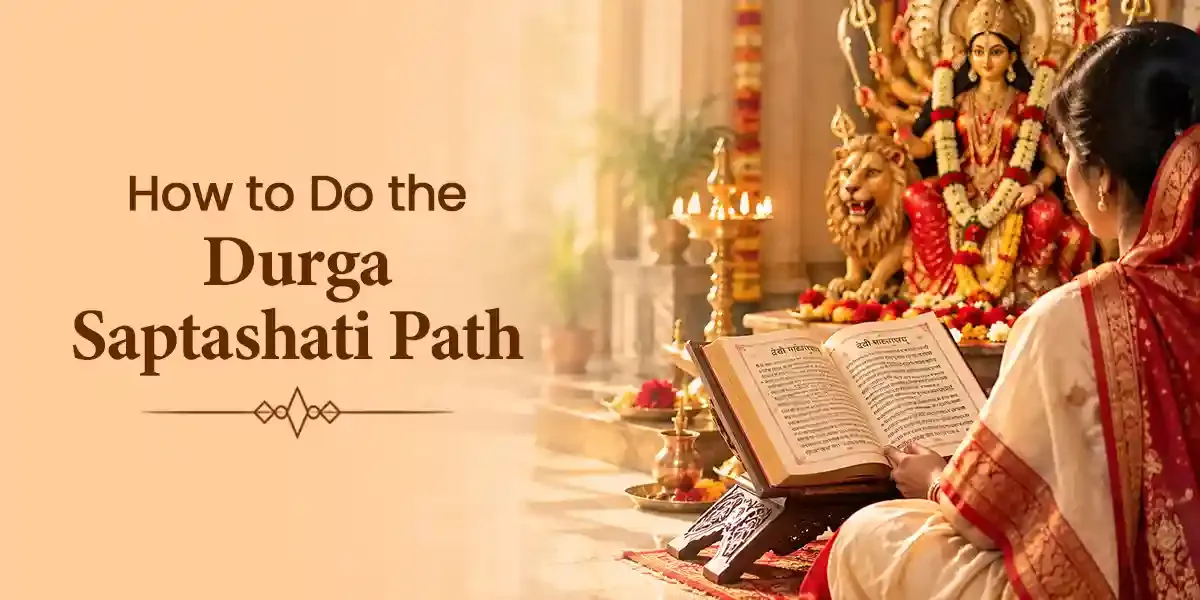



Shami Pooja on Dussehra: Vidhi, Mantra and Significance
Shami Pooja is a Hindu ritual traditionally observed on Dussehra, also known as Vijayadashami. The sacred Shami tree is associated with courage, victory, and auspicious beginnings. According to the Mahabharata tradition, the Pandavas hid their weapons in a Shami tree during the thirteenth year of their exile and retrieved them before preparing for battle.
On Dussehra, devotees in several regions worship the Shami tree and pray for strength, success, and the ability to overcome challenges. Read on to learn about the significance of Shami Pooja, its step-by-step vidhi, the traditional Shami mantra, and the importance of Shami leaves.
Shami Pooja Vidhi: Step-by-Step Puja Rituals
Shami Pooja is generally performed with simple offerings and prayers. You can follow these steps while performing Shami Pooja:
- Clean the area around the Shami tree. If you are performing the puja at home, arrange a clean space for the ritual.
- Take a bath and wear clean clothes before beginning the puja. Sit quietly for a moment and offer a prayer with a peaceful mind.
- Offer a small amount of clean water at the base of the tree as a mark of respect.
- Apply a small amount of roli, kumkum, or sandalwood paste to the designated worship area or a suitable part of the tree, following your family tradition.
- Offer fresh flowers and akshat, which are unbroken grains of uncooked rice. You may also offer fruits or sweets as prasad.
- Light a diya and incense sticks in a safe place near the tree.
- Recite the traditional Shami mantra with devotion. You may repeat it several times while praying for courage, success, and auspicious beginnings.
- Pray for peace, strength, prosperity, and the ability to overcome challenges. If you are observing Shami Pooja on Dussehra, you may also pray for success in your personal and professional life.
- Conclude the ritual with a prayer or aarti according to your family tradition. Distribute the prasad among family members and seek blessings for the year ahead.
Shami Pooja Mantra
**Mantra:
**
शमी शमयते पापं शमी शत्रुविनाशिनी।
अर्जुनस्य धनुर्धारी रामस्य प्रियदर्शिनी॥
Meaning: This verse praises the Shami tree as a symbol of overcoming negativity and enemies. It refers to the tree's association with Arjuna, who retrieved his weapons from a Shami tree in the Mahabharata tradition, and with Lord Rama, whose victory over Ravana is celebrated on Dussehra.
Significance of Shami Pooja
The Shami tree is valued for its ability to thrive in dry conditions, making it a symbol of endurance and strength. Here are some important aspects of Shami Pooja:
- The Shami tree is associated with success and the win of good over evil, making its worship particularly significant on Vijayadashami.
- According to stories, the Pandavas hid their weapons in a Shami tree during their period of exile. They later retrieved them, symbolizing readiness and the restoration of their strength.
- In Hindu traditions, the Shami tree is associated with Lord Shani. Devotees worship it to seek patience, stability, and relief from difficulties.
- Shami leaves are exchanged in some regions as a gesture of goodwill and as a symbol of prosperity and abundance.
- Worshipping the Shami tree on Dussehra is traditionally considered a way to seek blessings before beginning new ventures or important activities.
Why Is Shami Pooja Performed on Dussehra?
Dussehra, or Vijayadashami, celebrates the victory of good over evil. It is associated with Lord Rama's victory over Ravana and Goddess Durga's victory over Mahishasura.
One popular legend connects Shami Pooja with the Pandavas from the Mahabharata. During the thirteenth year of their exile, the Pandavas had to live in disguise. They hid their weapons in a Shami tree to keep them safe. After completing their period of exile, they retrieved their weapons from the tree before preparing for battle.
This story is remembered as a symbol of strength, preparedness, and eventual victory. In several regional traditions, worshipping the Shami tree on Vijayadashami became an important tradition in several communities.
Worshipping tools, weapons, and work-related objects is more specifically associated with Shastra Puja or Ayudha Puja, depending on the regional tradition. It is related to Dussehra but distinct from worshipping the Shami tree itself.
Shami Leaves on Dussehra: Significance and Tradition
Shami leaves have special cultural and religious significance in several parts of India. On Dussehra, some communities exchange these leaves with family members, friends, and neighbors as a gesture of goodwill.
The custom is sometimes linked with the story of Kautsa and King Raghu, in which gold is associated with the Shami tree. Over time, Shami leaves came to be treated symbolically as representations of gold, prosperity, and good fortune in certain regional traditions.
Final Words
Shami Pooja is a meaningful prayer that connects nature, mythology, and the celebration of victory. Observed especially on Dussehra, it reminds devotees of the importance of courage, perseverance, and positive beginnings.
Talk to Astrologers
View All




Team Astroyogi is an experienced in-house editorial team of passionate writers, researchers, and astrology enthusiasts dedicated to making ancient divination sciences more accessible and meaningful in everyday life. With years of collective experience in creating insightful astrology and spirituality content, the team specializes in simplifying complex spiritual concepts into practical guidance for readers seeking clarity, balance, and personal growth. The Astroyogi editorial team possesses expertise across a wide range of subjects, including Indian Astrology, Vedic Astrology, Planetary Transits, Horoscope Analysis, Vastu Shastra, Numerology, Tarot, Spiritual Wellness, and Ritual Practices. Every piece of content is carefully researched, fact-checked, and crafted with the intention of offering reliable, insightful, and easy-to-understand guidance rooted in traditional wisdom. Driven by a commitment to authenticity and reader trust, Team Astroyogi strives to create content that empowers individuals to navigate life’s opportunities and challenges with confidence, positivity, and inner peace. Their mission is to bridge ancient astrological knowledge with modern-day relevance, helping readers make informed decisions and lead more harmonious lives.