
Yes or No Tarot Card Reading — Pick a Card And Get Your Answer Instantly
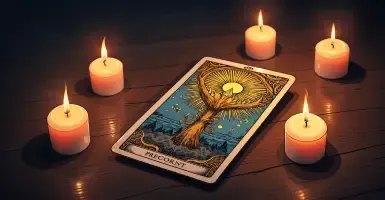
A Yes or No Tarot reading is a single-card divination method that gives a clear yes, no, or maybe answer to a focused question. The card's upright or reversed position, combined with its traditional meaning, reveals what your intuition already knows.
What is a Yes or No Tarot Reading?
A Yes or No Tarot reading is one of the oldest and most accessible forms of tarot divination, originating in the Rider-Waite tradition in the early 20th century. This single-card method focused the deep symbolism of the tarot into one clear response: Yes, No, or Maybe.
Unlike full tarot spreads that explore past, present, and future in layered detail, a Yes or No reading zeroes in on one focused question. This focused approach draws on both intuition and the rich symbolic vocabulary of tarot to cut through confusion fast.
The Major Arcana cards carry the strongest energetic weight in a Yes or No reading. Cards like The Sun and The Star signal a clear yes, while The Tower or Ten of Swords often indicate a no. Minor Arcana cards add extra detail, Aces lean strongly toward yes, while cards like the Five of Pentacles suggest difficulty ahead.
Whether you are facing a decision about a relationship, a career move, a financial choice, or simply need clarity for the day ahead, a Yes or No Tarot reading gives you a direct line to your own inner knowing, through the timeless language of tarot. Explore our full range of free tarot card readings to go deeper.
What Makes Yes No Tarot Special
Provides fast, clear advice for confused decisions. No spreads to interpret, no multiple cards to weigh against each other.
Works best for urgent, high-clarity questions where you can phrase a single “should I” or “will I” — one question, one card, one answer.
It helps clear away emotional confusion by turning the question into cards, so your intuition can guide you in a more organized and focused way.
How to Use Yes or No Tarot for Best Results
Getting the clearest answer from a Yes or No Tarot reading comes down to preparation, and it includes both mental and practical aspects. Follow these five steps to make every reading count.
Step 1: Frame your question
Make it specific, single-part, and answerable with yes or no. Vague questions produce vague answers. Instead of “What should I do about my career?”, try “Should I accept the job offer from Company X?” The more precise your question, the more useful the card’s response will be.
Step 2: Center yourself
Before you draw, take three slow breaths and make your mind a bit quieter. Clear your mind of the answer you are hoping for; the value of tarot lies in reflection, not confirmation. Remember, a settled mind asks better questions and receives clearer answers.
Step 3: Pick one card
Trust your hand. Tap the card that calls to you without overthinking. The instinctive first choice is almost always the most honest one. Deliberating too long introduces doubt, not clarity.
Step 4: Read the card and its position
Upright cards lean toward yes; reversed cards often mean no, delay, or “not yet”. But the card’s individual meaning is always impactful; a reversed Star is very different from a reversed Tower. Read both the position and the symbol together for the fullest picture.
Step 5: Reflect, then act
Sit with the answer for a moment before moving on. If the answer surprises you, that surprise is itself part of the message. Tarot works best when you give it a moment to settle rather than rushing to your next question.
When to Use a Yes or No Tarot Reading
A Yes or No tarot reading is most effective when your question is clear, your choices are genuinely binary, and you are open to either outcome. Here are some of the most common situations where it is used.
Romantic decisions: "Should I text them first?" "Are we right for each other?" Binary love questions are where Yes or No Tarot shines brightest. For more layered relationship insight, explore a love tarot reading.
Career & money: "Should I quit my job?" "Is now the right time to invest?" When a big professional decision is weighing on you, a single card can cut through the indecision. For dedicated career guidance, try a money tarot reading.
Daily decisions: Quick yes/no checks for everyday choices. This actually goes for should you reach out, commit, or wait? For a more reflective daily practice, a one-card tarot reading offers richer symbolism.
Health & wellness: Questions about lifestyle choices, habits, and routines (not medical decisions). Like, "Should I try this new routine?" For dedicated well-being guidance, explore a wellness tarot reading.
Year-ahead reflections: "Will this year bring the change I’m hoping for?" Use it as a quick pulse check alongside a full-year forecast from Tarot 2026.
When NOT to Use Yes or No Tarot
There are a few situations where a Yes or No reading is not the right tool. These include:
Do not use it to make serious medical, legal, or mental-health decisions; these require professional guidance, not a card draw.
Avoid asking the same question more than once in a sitting; repeating a question signals doubt, not a changed situation.
If you are emotionally overwhelmed, anxious, grieving, or in crisis. In such situations, just wait until you feel steadier. Tarot reflects your present energy, and a clearer mind always produces a more useful reading.
How Each Tarot Card Answers Yes or No
The Yes or No Tarot reading gives you one of three possible answers: Yes, No, or Maybe.
A “Yes” result means the energy surrounding your question is positive and aligned, encouraging you to move forward with confidence.
A “No” result signals resistance, blockages, or unfavorable conditions, suggesting it may be best to pause or reconsider your path.
A “Maybe” result sits in the middle; it neither confirms nor denies, but instead invites you to reflect deeper, gather more clarity, or wait for the right moment before taking action.
Each answer is guided by the card you pick and whether it appears upright or reversed, making every reading a unique and personal insight into your question.
How Accurate is a Yes or No Tarot Reading?
“Accuracy” in tarot is a question worth taking seriously. A Yes or No Tarot reading is not a prediction engine; it is a reflection tool. It surfaces what your intuition already senses, using the symbolism of the card as a mirror. That distinction matters: accuracy in tarot means resonance, not prophecy.
Three things shape how clearly a reading reflects: the specificity of your question (vague questions produce vague answers); your mental state at the time of drawing (a settled, open mind draws more useful cards); and your genuine openness to either outcome (readings done hoping for a particular answer are the hardest to trust).
Your card gave the answer, now get the full story! Connect with an experienced tarot card reader on Astroyogi for deeper insight into love, career, money, and life decisions.
Find Your Tarot Reading






Explore Your Interest





Talk to Astrologers
View All




FAQs
Absolutely, but focus on one question at a time. Draw a card, sit with the answer, then reset before asking your next question. Mixing multiple questions into a single draw muddies the reading. Each question deserves its own focused moment — and its own honest answer.
Use it when you genuinely need it, not out of habit or anxiety. Asking the same question repeatedly is a sign you don’t trust the first answer — not that you need a new one. Let the first reading settle. If your situation meaningfully changes, then it’s reasonable to ask again with fresh intent.
Repetition often confirms the message — the reading is consistent because the answer is clear. However, if you find yourself asking three or more times, that’s a signal to pause and reflect rather than re-pull. The impulse to keep asking is usually telling you more than any card could.
Yes, with awareness and goodwill. Phrase the question on their behalf — “Should [they] take this step?” rather than “What is their future?” Your energy drives the reading, and a generous, honest intent on their behalf produces the clearest result. Never read for someone without their knowledge.
Both are equally valid. The digital shuffle uses a random-number algorithm to replicate the chance of a physical draw. What matters most is your mental focus during the moment of selection — the intention you bring to the question. Many experienced readers use digital tools regularly and find them as revealing as a physical deck.
A Yes or No reading delivers a binary outcome — yes, no, or maybe. A one-card reading draws the same single card but interprets it across all its themes: emotion, timing, action, symbolism, without forcing a binary. Use Yes/No for decisions. Use a one-card tarot reading for daily reflection or when you want richer symbolic insight.