

Durga Puja 2021
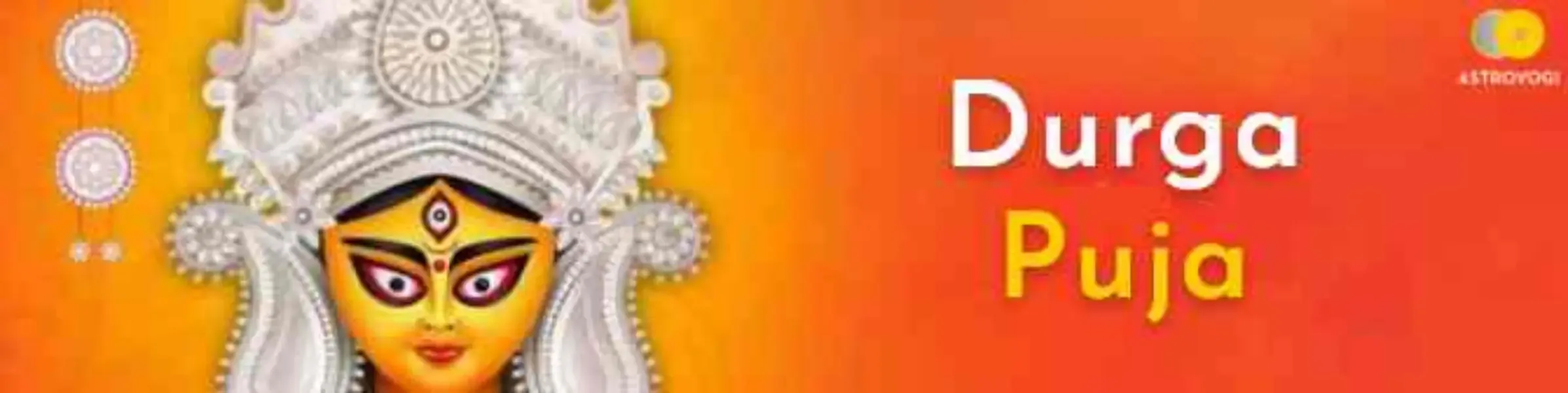
Durga Puja is one of the most significant and celebrated Hindu festivals in India, revered by millions. This pan-Indian festival involves the ceremonial worship of Goddess Durga, symbolizing the triumph of good over evil. Celebrated with great fervor and devotion, Durga Puja occurs during the Ashwin month, typically in September or October, marking the arrival of the Goddess on Earth and her subsequent return to her celestial abode.
When is Durga Puja Celebrated?
For 2024, Durga Puja will commence on October 9th and conclude on October 13rd. Here are the key dates to remember:
October 8, 2024: Shashthi - Bilva Nimantran
October 9, 2024: Shashthi - Kalparambha, Akal Bodhon, Amantran and Adhivas
October 10, 2024: Saptami: Durga Saptami, Kolabou Puja
October 11, 2024: Ashtami - Durga Ashtami, Kumari Puja, Sandhi Puja, Maha Navami
October 12, 2024: Navami - Maha Navami, Durga Balidan, Navami Homa, Durga Visarjan
October 13, 2024: Vijayadashami - Vijayadashami, Bengal Durga Visarjan, Sindoor Utsav
What is the Significance of Durga Puja?
Durga Puja, also known as Durgotsava, signifies the five glorious days of festivity and devotion. The celebration begins with Mahalaya, which marks the end of the Pitru Paksha and the invocation of Goddess Durga, believed to descend to Earth during Devi Paksha.
Each day of the festival holds profound meaning:
Shashthi: The official start of the festivities.
Saptami: Major rituals and the Maha Puja take place.
Ashtami: This is the day when Goddess Durga is believed to have defeated the demon Mahishasura.
Navami: The end of ritualistic ceremonies with Maha Aarti.
Vijayadashami: The final day when devotees bid farewell to the Goddess through the Visarjan ritual.
What Are the Mythological Roots of Durga Puja?
The grandeur of Durga Puja is deeply rooted in mythology. It is said that the Gods created Goddess Durga to defeat the powerful demon Mahishasura, who had gained immortality through a boon from Lord Brahma, exempting him from being killed by any man or animal. Overconfident in his invincibility, Mahishasura unleashed havoc across the three worlds.
To combat this threat, the Gods united their powers to create Durga, an embodiment of Shakti, the divine feminine power. Armed with weapons gifted by the Gods, Goddess Durga ultimately triumphed over Mahishasura, establishing her as a symbol of strength and virtue.
What Are the Rituals of Durga Puja?
Mahalaya: Mahalaya marks the beginning of Durga Puja, where devotees invoke the Goddess through sacred chants and songs. The idols of the deities are prepared, setting the stage for the festivities ahead.
Shashthi (Day 1): The major celebrations commence with the unveiling of the idols of Goddess Durga and her children, followed by traditional music and festivities.
Saptami (Day 2) : This day is marked by the performance of the Maha Puja and rituals like Kolabou Puja, where a banana tree is worshipped symbolically representing a newlywed woman.
Ashtami (Day 3): A vital day in the festival, Ashtami includes Sandhi Puja, which links the eighth and ninth days of Durga Puja. Devotees perform the 'Anjali' offering and worship young girls in a ceremony known as Kumari Puja.
Navami (Day 4) : Navami concludes the rituals with the Maha Aarti, symbolizing the formal end of the worship.
Vijayadashami and Durga Visarjan (Day 5): The final day is marked by 'Sindoor Utsav', where married women smear vermilion on the Goddess and on each other. The idols are then immersed in water bodies, symbolizing the Goddess's return to her heavenly abode.
How is Durga Puja Celebrated Across India?
Durga Puja is celebrated with unmatched zeal, especially in the states of West Bengal, Odisha, Assam, Tripura, and Bihar. Kolkata transforms into a hub of festivities, adorned with beautifully crafted idols and elaborately decorated pandals.
During this period, people indulge in special delicacies, wear new clothes, and participate in cultural programs involving singing, dancing, and community gatherings. The festival embodies joy and a collective spirit of celebration, uniting families and friends.
Conclusion
Durga Puja is more than just a festival; it represents the eternal struggle between good and evil and the strength of women. It serves as a reminder of the power of righteousness, community, and faith. If you wish to know more about Durga Puja rituals or have any astrology-related queries, feel free to reach out to Astroyogi astrologers.
Upcoming Festivals
Dussehra
Karvachauth
Dhanteras
Diwali
Celebrate the spirit of Durga Puja and embrace the joy of togetherness!
Team Astroyogi is an experienced in-house editorial team of passionate writers, researchers, and astrology enthusiasts dedicated to making ancient divination sciences more accessible and meaningful in everyday life. With years of collective experience in creating insightful astrology and spirituality content, the team specializes in simplifying complex spiritual concepts into practical guidance for readers seeking clarity, balance, and personal growth. The Astroyogi editorial team possesses expertise across a wide range of subjects, including Indian Astrology, Vedic Astrology, Planetary Transits, Horoscope Analysis, Vastu Shastra, Numerology, Tarot, Spiritual Wellness, and Ritual Practices. Every piece of content is carefully researched, fact-checked, and crafted with the intention of offering reliable, insightful, and easy-to-understand guidance rooted in traditional wisdom. Driven by a commitment to authenticity and reader trust, Team Astroyogi strives to create content that empowers individuals to navigate life’s opportunities and challenges with confidence, positivity, and inner peace. Their mission is to bridge ancient astrological knowledge with modern-day relevance, helping readers make informed decisions and lead more harmonious lives.