
Vijaya Ekadashi 2026
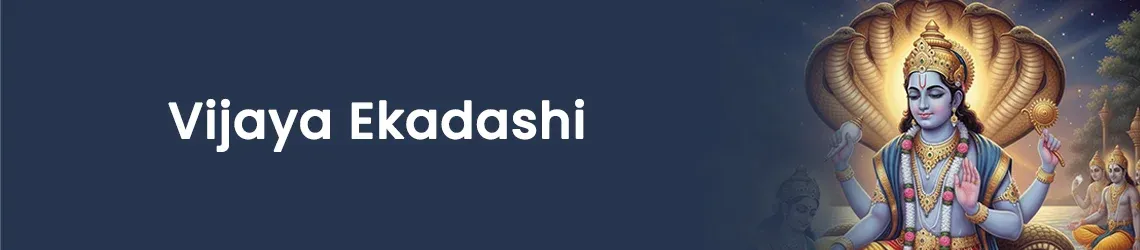
Dedicated to Lord Vishnu, Vijaya Ekadashi is one of the 24 Ekadashi fasts. Since the term "Vijaya" signifies "victory," this Ekadashi is commemorated in an effort to overcome obstacles in life. On Vijaya Ekadashi, it is believed that Lord Rama himself observed the fast before crossing the ocean to Lanka, which led to his victory over the demon king Ravana. That's why this Ekadashi is known to achieve success in seemingly impossible tasks. Devotees who fast on this day with devotion believe they gain Lord Vishnu's blessings for victory in their career, legal matters, health challenges, or personal struggles. In the month of Phalguna, it typically occurs during the Krishna Paksha, or waning moon phase. Here is everything you need to know about the dates and the right time to break your fast.
Vijaya Ekadashi Tithi and Auspicious Timings
Vijaya Ekadashi 2026 Date: Friday, February 13, 2026
Vijaya Ekadashi Tithi (Lunar Day) Timings:
Ekadashi Tithi Begins: February 12, 2026, at 12:22 PM
Ekadashi Tithi Ends: February 13, 2026, at 2:25 PM
Vijaya Ekadashi 2026 Auspicious Timings:
Brahma Muhurta: 5:17 AM to 6:08 AM
Abhijit Muhurta: 12:13 PM to 12:58 PM
Vijaya Muhurta: 2:27 PM to 3:12 PM
Sarvartha Siddhi Yoga: 7:00 AM to 7:48 PM
Vijaya Ekadashi Parana Time 2026
It is important to break the fast at the right time to receive the most benefit.
Vijaya Ekadashi Parana (Breaking the fast) time 2026:
Date: Saturday, February 14, 2026
Parana Time: 7:00 AM to 9:14 AM
Now that we know the timings, let’s look at the powerful story behind this day
Want to know all Ekadashi dates of the year? Click here for the full calendar.
Vijaya Ekadashi Vrat Katha
The Vijaya Ekadashi vrat katha is found in ancient Hindu scriptures and tells the story of how this Ekadashi came to be known as the "Ekadashi of Victory."
Lord Rama's Victory Through Vijaya Ekadashi
The Ramayana has the most well-known tale where Lord Rama had a huge task ahead of him while he was getting ready to save Sita from Lanka. He had led his whole army of monkeys across the great ocean. It looked like an impossible task. It seemed impossible to cross the ocean with thousands of soldiers because it was too deep and too wide.
Rama was informed about Vijaya Ekadashi by the sage Vakdalbhya Muni at that crucial juncture.
According to the sage, this Ekadashi, which falls during the Krishna Paksha of Phalguna month, possesses the divine ability to enable seemingly difficult tasks. With utmost devotion to Lord Vishnu, he counseled Rama to follow this fast.
As Vishnu's own avatar, Lord Rama saw the importance. He devotedly and deeply meditated during the Vijaya Ekadashi fast. He spent the entire day in prayer, chanting the names of Vishnu, and avoiding food and water.
What was the outcome? Following the completion of the fast and the blessings of Vishnu, Rama discovered a solution: the fabled bridge (Ram Setu) was constructed across the ocean by the vanara (monkey) army under the leadership of Hanuman and Nala. Unthinkable became feasible. After crossing the ocean, Rama arrived in Lanka, where he battled Ravana and saved Sita.
Vijaya Ekadashi, the Ekadashi that bestows victory over the most formidable challenges, has been the name given to this Ekadashi since that day.
Vijaya Ekadashi Fasting Rules
Following the proper Vijaya Ekadashi fasting rules ensures you receive the full spiritual benefits of this sacred observance.
Types of Fasting
Nirjala (Without Water): The strictest form where devotees don't consume even water throughout the fasting period. This is considered the most difficult but requires strong willpower and good health.
Phalahari (Fruits Only): Devotees can consume fruits, milk, and water during the day. This is suitable for those who cannot manage without any food.
Saatvik Food: Some observe the fast by eating simple vegetarian food once during the day, avoiding grains, pulses, onion, and garlic.
Complete Fast: No food or water from sunrise on Ekadashi day until parana time the next morning on Dwadashi.
What to Avoid During the Fast
Foods to Strictly Avoid:
All grains (rice, wheat, barley, etc.)
All pulses and lentils (dal, beans, chickpeas)
Onion and garlic
Non-vegetarian food
Alcohol and intoxicants
Tobacco in any form
Spices like asafoetida (hing)
Allowed Foods (for Phalahari fast):
Fresh fruits (bananas, apples, pomegranate, etc.)
Milk and milk products
Dry fruits and nuts
Potatoes, sweet potatoes (in some traditions)
Water, coconut water
Sabudana (tapioca pearls) prepared without grains
Who Should Observe the Fast?
Can Fast:
Healthy adults seeking spiritual growth
Those facing obstacles and challenges
People looking for victory in endeavors
Devotees of Lord Vishnu
Should Avoid or Modify:
Pregnant or nursing women (consult family elders/priest)
Young children
The elderly with health issues
People with medical conditions requiring regular meals
Those on medication that must be taken with food
Note: If you cannot do a complete fast due to health reasons, you can still observe a modified fast with fruits and milk, or simply avoid grains. The key is devotion, not physical hardship.
How to Worship on Vijaya Ekadashi
The puja (worship) ritual on Vijaya Ekadashi follows traditional Vishnu worship practices.
Puja Items Needed
Lord Vishnu idol or picture
Fresh tulsi (holy basil) leaves
Yellow or white flowers
Incense sticks and dhoop
Ghee lamp or oil lamp
Kumkum, turmeric, sandalwood paste
Fruits for offering
Milk, curd, honey (for abhishekam if doing elaborate puja)
Tulsi plant (for evening worship)
Puja Vidhi (Worship Method)
Clean and Prepare: Clean your puja room and set up Lord Vishnu's image on a clean cloth.
Invoke Ganesha: Start by praying to Lord Ganesha to remove obstacles from your worship.
Sankalp: Take the vow by sitting facing east and declaring your intention to observe the Vijaya Ekadashi fast for Lord Vishnu's blessings.
Abhishekam (if doing elaborate puja): Bathe the deity with water, milk, curd, honey, and ghee (panchamrita). Then clean with pure water.
Dress the Deity: Offer fresh clothes or a yellow/white cloth.
Apply Tilak: Apply sandalwood paste, kumkum, and turmeric.
Offer Flowers: Offer fresh flowers, especially yellow ones, and tulsi leaves.
Light Lamp and Incense: Light the ghee lamp and sandalwood incense sticks for a peaceful aroma, setting the perfect mood for your prayers.
Offer Bhog: Place fruits and sweets before the deity as an offering.
Chant Mantras: Recite Vishnu mantras, Vishnu Sahasranama (1000 names), or simply chant "Om Namo Narayanaya" or "Om Namo Bhagavate Vasudevaya."
Read Vrat Katha: Read or listen to the Vijaya Ekadashi vrat katha.
Perform Aarti: Do aarti with the lamp while singing devotional songs.
Evening Tulsi Puja: In the evening, light a lamp near the tulsi plant and offer prayers.
Night Vigil (Optional): Many devotees stay awake all night chanting bhajans and mantras.
Curious about how Ekadashi fasting can benefit your spiritual journey? Talk to an astrologer on Astroyogi today and gain insights and personalized spiritual guidance.
Vijaya Ekadashi Significance in Today’s Time
In our modern, fast-paced world, why does an ancient fasting tradition like Vijaya Ekadashi still hold deep significance? That’s because:
It Builds Discipline: In an age of instant gratification, fasting for a full day teaches self-control and discipline. It strengthens your willpower, which is a skill valuable in every area of life.
Mental Clarity: When you fast, especially from heavy foods, your mind becomes clearer. Many devotees report better focus and decision-making ability during and after Ekadashi fasts.
Overcoming Obstacles: The core message of Vijaya Ekadashi is that impossible tasks become possible with faith, which resonates with anyone facing challenges.
Detox for Body and Soul: Periodic fasting gives your digestive system a break and allows the body to detoxify. Spiritually, it's believed to cleanse the mind of negative thoughts and accumulated karmic burdens.
In 2026, as you observe Vijaya Ekadashi on February 13, remember: you're not just skipping meals. You're connecting to a timeless tradition that has given strength to millions before you. You're declaring that no obstacle is too big when you have faith, discipline, and divine grace on your side.