



Monday, September 14, 2026 Paksha:Shukla Tithi:Chaturthi

Monday, September 14, 2026 Paksha:Shukla Tithi:Chaturthi

Tuesday, September 15, 2026 Paksha:Shukla Tithi:Panchami
Wednesday, September 16, 2026 Paksha:Shukla Tithi:Shashthi

Thursday, September 17, 2026 Paksha:Shukla Tithi:Saptami

Thursday, September 17, 2026 Paksha:Shukla Tithi:Saptami
Thursday, September 17, 2026 Paksha:Shukla Tithi:Saptami
Friday, September 18, 2026 Paksha:Shukla Tithi:Saptami
Friday, September 18, 2026 Paksha:Shukla Tithi:Saptami
Sankranti holds a deeply auspicious place in Hinduism, symbolizing a sacred blend of astronomical movement and spiritual significance. It marks the moment when the Sun shifts from one zodiac sign to another, an event that occurs nearly 12 times a year. Each transition carries its own unique energy and meaning, influencing all zodiac signs in subtle yet powerful ways.
In Hindu traditions, Sankranti is considered an ideal time for charity, spiritual practices, and ritual bathing. According to Vedic astrology, as the Sun completes its yearly journey through the zodiac, every monthly transition creates an opportunity for renewal and positive change.
If you are looking for the Sankranti 2026 date, wondering when Sankranti is, searching for details about Sankranthi 2026, or checking Sankranti this month, explore the complete guide ahead to understand its significance and key observances.
Sankarnati 2026 Dates and Times
Every month, a new Sankranti occurs, marking the Sun's zodiac change. Here's a list of all 12 Sankranti dates in 2026.
| Sankranti | Date & Day | Sankranti Time | Festival |
|---|---|---|---|
| Makar Sankranti | January 14, 2026 (Wednesday) | 3:13 PM | Makar Sankranti, Pongal |
| Kumbha Sankranti | February 13, 2026 (Friday) | 4:14 AM | Kumbha Sankranti |
| Meen Sankranti | March 15, 2026 (Sunday) | 1:08 AM | Meen Sankranti |
| Mesh Sankranti | April 14, 2026 (Tuesday) | 9:38 AM | Mesh Sankranti, Solar New Year Begins |
| Vrisabh Sankranti | May 15, 2026 (Friday) | 6:28 AM | Vrisabh Sankranti |
| Mithun Sankranti | June 15, 2026 (Monday) | 12:59 PM | Mithun Sankranti |
| Karka Sankranti | July 16, 2026 (Thursday) | 11:45 PM | Karka Sankranti |
| Singha Sankranti | August 17, 2026 (Monday) | 8:04 AM | Singha Sankranti |
| Kanya Sankranti | September 17, 2026 (Thursday) | 7:58 AM | Kanya Sankranti, Vishwakarma Puja |
| Tula Sankranti | October 17, 2026 (Saturday) | 7:57 PM | Tula Sankranti |
| Vrischik Sankranti | November 16, 2026 (Monday) | 7:48 PM | Vrischik Sankranti |
| Dhanu Sankranti | December 16, 2026 (Wednesday) | 10:29 AM | Dhanu Sankranti |
What are the 12 Sankrantis?
As you know, there are 12 Sankrantis throughout the year, and they are directly related to the Sun's zodiacal cycle. Each Sankranti has its own significance and is deeply connected to our lives, seasonal changes, and religious practices. Let's understand them one by one in simple terms:
1. Mesh Sankranti
This occurs when the Sun enters Aries (Mesh) from Pisces. This day marks the beginning of a new calendar, and therefore holds special religious and cultural significance.
2. Vrishabha Sankranti
Vrishabha Sankranti occurs when the Sun moves from Aries to Taurus (Vrisabh). This is considered an auspicious time for beginning farming and agricultural activities.
3. Mithun Sankranti
This solstice occurs when the Sun moves from Taurus to Gemini (Mithun). Summer is at its peak during this time, and farmers eagerly await the rains.
4. Cancer Sankranti
Karka Sankranti occurs when the Sun moves from Gemini to Cancer (Karka). From this day on, the days begin to become shorter and the nights longer. It is also considered a sign of the changing seasons.
5. Singh Sankranti
Singh Sankranti occurs when the Sun enters Leo (Singh) from Cancer. This Sankranti, which usually coincides with August, is considered extremely auspicious.
6. Kanya Sankranti
When the Sun enters Virgo (Kanya) from Leo, it is called Virgo Sankranti. This time marks the change in seasons and the beginning of autumn.
7. Tula Sankranti
When the Sun moves from Virgo to Libra (Tula), it is called the Tula Sankranti. In South India, it is also called Tamil Sankranti.
8. Vrishchik Sankranti
When the Sun moves from Libra to Scorpio (Vrishchik), Scorpio Sankranti occurs. Bathing in the Ganges and performing charity are considered especially important during this time.
9. Dhanu Sankranti
Usually falling in December, the Dhanu Sankranti occurs when the Sun enters Sagittarius (Dhanu) from Scorpio. This Sankranti is highly significant from a religious and astrological perspective.
10. Makar Sankranti
The most significant of all Sankrantis is Makar Sankranti, when the Sun moves from Sagittarius to Capricorn (Makar). This Sankranti, which occurs in January, marks the Sun's Uttarayan (northward movement) and is celebrated with great enthusiasm throughout India.
11. Kumbha Sankranti
Kumbh Sankranti occurs when the Sun enters Aquarius (Kumbha) from Capricorn. This Sankranti, which occurs in February, is especially known for the Kumbh Mela.
12. Meen Sankranti
The last Sankranti of the year occurs when the Sun enters Pisces (Meen) from Aquarius. This Sankranti, which occurs in March, marks the arrival of spring.
Things to Keep in Mind on Sankranti
Sankranti is considered extremely auspicious in Hinduism and Vedic traditions. It is believed that the rewards of worship, bathing, and charity performed on this day are multiplied. Therefore, if you want to reap the full benefits of Sankranti, you must keep a few important things in mind.
Worship and Fasting – Remembering God and fasting on every Sankranti Tithi (day) is considered very virtuous. Try to spend as much time as possible in worship and devotion on this day.
Diet Rules – According to the scriptures, one should avoid eating after sunset on Sankranti. It is also considered auspicious to eat food only after bathing and performing puja in the morning.
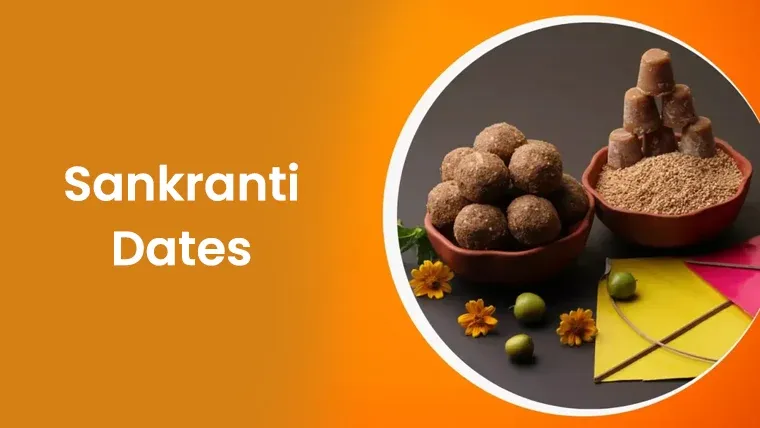
Importance of Charity – Giving donations or charity on this day is considered the greatest virtue. Donating sesame seeds, jaggery, rice, ghee, grains, and money, in particular, is considered highly auspicious. Try to help those in need to the best of your ability.
Maintain Positivity – On Sankranti, avoid quarreling, anger, lying, or negative thoughts. Avoid tamasic foods and spend the day with a calm and positive mind.
(*Note – in Ayurveda and yoga, Tamasic food refers to items that promote inertia, laziness, confusion, and heaviness in the body and mind. These foods are typically processed, stale, reheated, excessively oily, or lacking in vitality. E.g., meat, alcohol, refined flour, fried items, and canned foods.)
The Significance of Sankranti
Sankranti is considered a sacred festival in Hinduism. On this day, the Sun transits from one zodiac sign to another, and this transition is extremely significant from a religious and cultural perspective. Worship, fasting, and charity hold special significance on every Sankranti.
Among all Sankrantis, the Makar Sankranti is considered the most auspicious and is celebrated with great enthusiasm throughout India. On this day, the sun moves northward, and the days begin to lengthen.
Bathing in the Ganges, flying kites, and donating sesame and jaggery hold special significance. Similarly, Tula Sankranti is also considered auspicious. Bathing in holy rivers and donating to others during this time is believed to bring one righteousness and salvation.
Similarly, Tula Sankranti is also considered auspicious. Bathing in holy rivers and donating to charity during this time brings one the blessings of righteousness and salvation.
In other words, every Sankranti not only brings with it the message of a changing season, but also provides an opportunity to cultivate religious faith and earn merit.
Want deeper insights into Sankranti 2026 or other astrological guidance? Speak to Astroyogi’s trusted experts now and enjoy your first FREE call or chat consultation!