


Wednesday, September 16, 2026 Paksha:Shukla Tithi:Shashthi
Thursday, September 17, 2026 Paksha:Shukla Tithi:Saptami
Thursday, September 17, 2026 Paksha:Shukla Tithi:Saptami
Thursday, September 17, 2026 Paksha:Shukla Tithi:Saptami
Friday, September 18, 2026 Paksha:Shukla Tithi:Saptami
Friday, September 18, 2026 Paksha:Shukla Tithi:Saptami
Saturday, September 19, 2026 Paksha:Shukla Tithi:Ashtami
Saturday, September 19, 2026 Paksha:Shukla Tithi:Ashtami
Saturday, September 19, 2026 Paksha:Shukla Tithi:Ashtami
Saturday, September 19, 2026 Paksha:Shukla Tithi:Ashtami
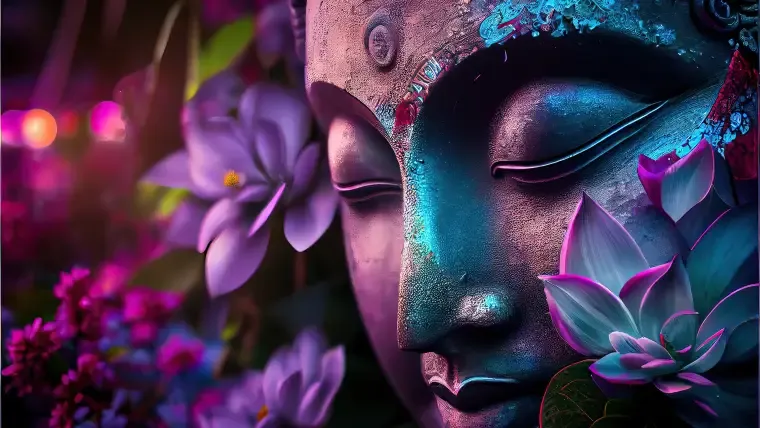
Buddha Purnima, also known as Vesak, is the most sacred festival in Buddhism because it celebrates the three major events of Gautam Buddha’s life. This day is recognized as the thrice-blessed day of his teachings on peace, nonviolence, and compassion. This year, Buddha Purnima will be observed on the 1st of May.
Buddha Purnima 2027 Date & Time
Purnima Tithi Begins - 04:02 PM on May 19, 2027
Purnima Tithi Ends - 04:28 PM on May 20, 2027
What Is Buddha Purnima?
Buddha Purnima is a sacred festival that honors the life and teachings of Gautama Buddha. It is celebrated on the full moon day of Vaishakha and marks three major milestones of his life:
His birth as Prince Siddhartha
His enlightenment under the Bodhi tree
His Mahaparinirvana (final liberation)
Because it celebrates the complete spiritual journey from birth to liberation, Buddha Purnima is regarded as one of the holiest days in Buddhism.
Buddha Purnima Meaning
The meaning of Buddha Purnima lies in awakening, wisdom, and inner transformation. This is because the word “Buddha” means “the awakened one” or “the enlightened one.”
Moreover, this day reminds people that true peace does not come from material success but from clarity of mind, compassion, discipline, and self-awareness. It encourages individuals to let go of negativity, live mindfully, and seek higher understanding.
Buddha Purnima also represents the victory of wisdom over ignorance and peace over suffering.
Why is Buddha Purnima Celebrated?
Buddha Purnima is celebrated to honor Gautam Buddha’s wisdom, whose message of nonviolence, compassion, and mindfulness continues to guide millions of people worldwide.
According to tradition, Prince Siddhartha left behind royal comforts after witnessing suffering in the world. He undertook deep meditation and spiritual practice, and on a Vaishakha full moon night, attained enlightenment beneath the Bodhi tree.
After becoming the Buddha, he taught humanity how to overcome suffering through right understanding, discipline, and balanced living. This is why Buddha Purnima is more than just a festival of remembrance, as it is a celebration of timeless wisdom.
Significance and Importance of Buddha Purnima
Buddha Purnima holds deep spiritual significance because it represents the possibility of transformation through awareness and right action.
The significance of this sacred day includes:
Enlightenment over ignorance
Peace over anger
Compassion over cruelty
Detachment over greed
Mindfulness over confusion
Truth over illusion
The full moon on this day is also symbolic. A full moon in astrology is often associated with emotional clarity, completeness, and illumination, qualities that align beautifully with Buddha’s enlightenment.
In terms of importance, Buddha Purnima is considered an ideal time for meditation, self-reflection, forgiveness, and spiritual growth.
This Buddha Purnima full moon carries powerful spiritual energy; talk to an expert astrologer on Astroyogi to get expert guidance on the most effective spiritual practices for your journey.
Sacred Rituals and Celebrations of Buddha Purnima
Buddha Purnima is observed with a sense of simplicity and devotion, reflecting the teachings of Gautama Buddha. The rituals are not elaborated in a material sense but are deeply meaningful, focusing on inner peace and spirituality.
On this day, devotees visit temples, make offerings, meditate, and perform acts of charity. Moreover, many people participate in group prayers and the chanting of sacred texts, creating a calm and meditative environment.
Buddha Purnima emphasizes living simply and peacefully. Hence, many people choose to wear white clothing, symbolizing purity and calmness. Some also observe fasting or eat simple meals as a way to practice detachment and discipline from indulgence.
Therefore, these rituals and celebrations are a reflection of a deeper philosophy. They are not just external practices but meaningful ways to bring kindness and inner harmony into daily life. Buddha Purnima is celebrated as a reminder of Buddha's life and wisdom.
Where is Buddha Purnima Celebrated in India?
Buddha Purnima is celebrated with great devotion across many parts of India, especially in places connected to the life and teachings of Gautama Buddha.
Some of the most important places where Buddha Purnima is widely celebrated in India include:
Bodh Gaya – The most sacred site where Gautama Buddha attained enlightenment under the Bodhi tree.
Sarnath – Where Buddha delivered his first sermon after enlightenment.
Kushinagar – Believed to be the place of Buddha’s Mahaparinirvana.
Rajgir – An important Buddhist pilgrimage center associated with Buddha’s teachings.
Nalanda – Known for its historic Buddhist learning heritage.
Ladakh – Monasteries celebrate the day with prayers and rituals.
Sikkim – Celebrated with devotion in Buddhist communities and monasteries.
Apart from pilgrimage destinations, Buddha Purnima is also observed in major cities such as Delhi, Mumbai, Bengaluru, and Kolkata, where people gather in temples and community centers.
Buddha Purnima Celebrations Outside India
Buddha Purnima is not limited to India. It is celebrated with equal reverence in many Buddhist-majority countries around the world.
Nepal – Especially in Lumbini, the birthplace of Buddha, where grand prayers and processions are held.
Sri Lanka – Known as Vesak, celebrated with lanterns, temples, and acts of charity.
Thailand – Observed with merit-making, temple visits, and candle processions.
Myanmar – Celebrated through offerings, meditation, and community service.
Bhutan – Marked with prayers and monastery ceremonies.
Cambodia and Laos – Celebrated in temples with traditional rituals and devotional gatherings.
Hence, Buddha Purnima is a global celebration of peace, compassion, and enlightenment that unites millions of devotees across countries and cultures.
Final Words
Buddha Purnima is more than just a sacred celebration in Buddhism; it is a timeless reminder of the wisdom and teachings of Gautama Buddha that continue to guide humanity toward peace and self-awareness.
It encourages us to pause and reflect on our lives with values of compassion and simplicity. In a world filled with constant noise and distractions, this auspicious day inspires us to look within, cultivate inner harmony, and walk on the path of truth. Moreover, Buddha Purnima teaches us that true fulfillment does not come from the outside world but from a calm and awakened mind.
Festival List
- Nag Panchami
- Raksha Bandhan
- Janmashtami
- Ganesh Chaturthi
- Onam
- Pitru Paksha
- Shardiya Navratri
- Durga Puja
- Dussehra
- Karwa Chauth
- Dhanteras
- Diwali
- Govardhan Puja
- Bhai Dooj
- Chhath Puja
- Tulsi Vivah
- Guru Nanak Jayanti
- Christmas
- New year
- Lohri
- Pongal
- Makar Sankranti
- Vasant Panchami
- Shivratri
- Ramadan
- Holi
- Good Friday
- Navratri
- Gudi Padwa
- Ugadi
- Vaisakhi
- Ram Navami
- Mahavir Jayanti
- Hanuman Jayanati
- Buddha Purnima
- Akshay Tritiya
- Shani Jayanti
- Guru Purnima
- Hariyali Teej