

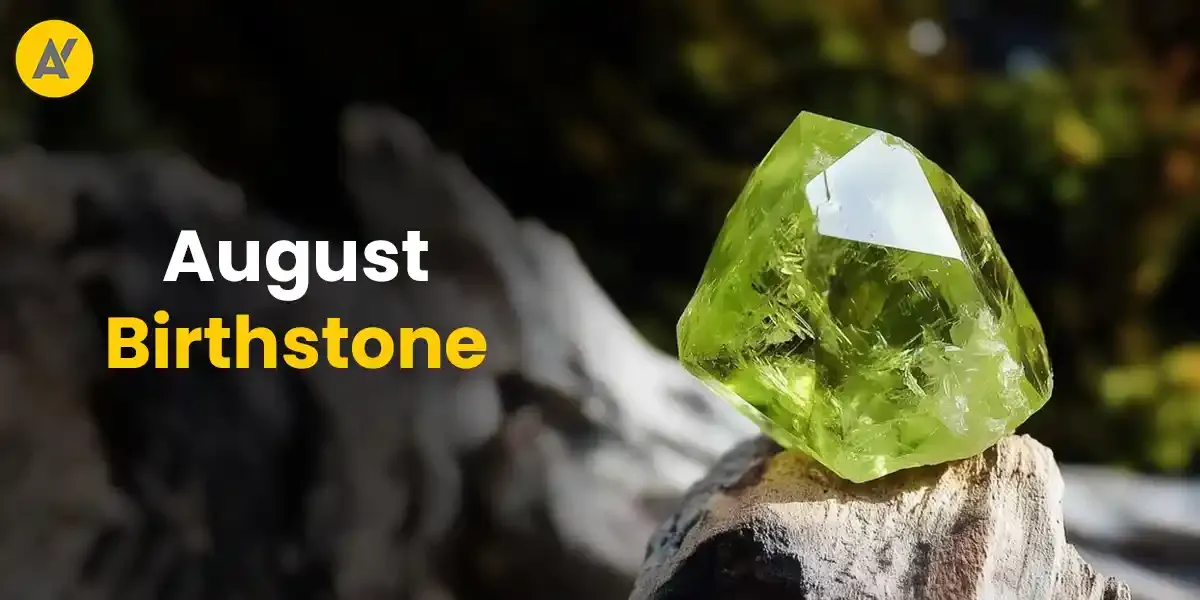

August Birthstone - The Birthstone for Leo is the Peridot
If you were born in August, your birthstone is peridot — a radiant yellow-green gem that has been prized for thousands of years for both its beauty and its meaning. Whether you're searching for the birthstone for August born individuals to buy as a gift, or you simply want to know what your august birth gems says about you, this guide covers everything: the stone's color, its history, its astrological significance, and how to wear and care for it.
Peridot isn't the only stone linked to this month, but it is by far the most recognized. Below, we break down the full picture of the august gemstone family, including alternatives, so you know exactly which stone is right for you.
What Is the August Birthstone?
Among all the birthstones by month, august is unique in that it has more than one recognized gem. The modern birthstone list — first standardized by American jewelers in 1912 and updated over the decades — names peridot as the primary august stone, with spinel added later as a second modern option. The older, traditional birthstone for August is sardonyx, a banded stone that was popular in ancient Rome for use in seal rings.
Today, when people ask about the august born stone, they are almost always referring to peridot. Its bright, almost luminous green color makes it instantly recognizable, and it remains one of the most affordable and wearable gemstones on the market — a big reason it has stayed the dominant choice for this month's birthstone jewelry.
Peridot Birthstone Meaning
The august birthstone and meaning behind it go back centuries. The name "peridot" is believed to derive from the Arabic word faridat, meaning "gem," and ancient wearers believed the stone had protective powers. It was worn as a shield against evil spirits and, according to old folklore, was thought to keep nightmares away when set in gold and worn against the skin.
In more modern interpretations, the peridot birthstone is associated with:
- Strength and resilience — helping the wearer push through challenges with a clear head.
- Balance and harmony — believed to soothe stress, anger, and jealousy.
- Clarity and confidence — encouraging decisive thinking and self-assurance.
- Prosperity — historically linked to abundance and good fortune, especially in career and relationships.
This blend of protection and positivity is why peridot august birthstone jewelry remains a popular gift — not just for birthdays, but for anyone starting a new chapter in life.
August Birthstone Color
When people search for the august birthstone color, the answer is simple: green. But peridot's green is distinct. Unlike emerald, which can range from bluish to deep forest green, peridot is one of the few gemstones that occurs naturally in only one hue family — a warm, yellowish-green that can shift from a pale olive tone to a richer, deeper "bottle" green depending on the stone's iron content. This unique birthstone color for the month of august comes from trace amounts of iron within the mineral structure of the stone (peridot is a gem-quality form of the mineral olivine). The higher the iron content, the deeper and more saturated the green appears. Because there's no color-treatment industry standard for peridot the way there is for some other gems, the color you see in a peridot is almost always natural.
Peridot vs. Emerald: What's the Difference?
Because both are green gemstones, peridot and emerald are sometimes confused — but they belong to entirely different mineral families. Emerald is a variety of beryl, while peridot is a gem-quality olivine. Emerald's green comes from chromium and vanadium, giving it a cooler, bluer green, while peridot's iron content produces its signature warm, yellow-toned green. Emerald is also considerably harder to find without visible inclusions and typically commands a much higher price point, whereas peridot is prized for being both naturally clean and more accessible. Historically, this similarity led to some confusion — several gems long believed to be ancient emeralds, including pieces once owned by European royalty, have since been re-identified as peridot.
The History and Origin of Peridot
Peridot has one of the oldest documented histories of any gemstone. Ancient Egyptians mined peridot on the volcanic island of Zabargad (once called Topazios) in the Red Sea, and referred to it as the "gem of the sun" because of its glowing color. Some historians believe several of Cleopatra's famed "emeralds" were, in fact, peridot.
The stone also traveled widely through medieval Europe, where it was used to adorn church relics and clergy jewelry — a large peridot is still visible today in the Shrine of the Three Kings at Cologne Cathedral in Germany.
Today, most commercial-grade peridot stone comes from Arizona in the United States, particularly from the San Carlos Apache reservation, which supplies a significant share of the world's peridot. Smaller but notable deposits also come from Pakistan, Myanmar, and China, with Pakistani peridot often prized for its exceptionally saturated, dark green tone.
Astrological Significance: Peridot for Leo and Virgo
Beyond its role as a calendar birthstone, peridot holds deep significance in Vedic and Western astrology alike. Leo, the zodiac sign spanning July 23 to August 23, is ruled by the Sun — and peridot's warm, sun-touched green is considered the ideal stone for this sign. Leos are known for their natural leadership, confidence, and warmth, but also for a tendency toward stubbornness or impatience. Peridot is believed to soften these sharper edges, helping the wearer stay grounded, rational, and level-headed while amplifying their natural charisma and drive. If you were born between August 24 and 31, you fall under Virgo rather than Leo — but as a birthstone for August born individuals, peridot is still considered your gem by birth month. Many astrologers suggest Virgo-born wearers benefit from peridot's clarifying, calming energy just as much, particularly in reducing overthinking and nervous tension.
As with any gemstone worn for astrological remedies, it's always advisable to consult an experienced astrologer before wearing peridot for planetary or health-related benefits, since the right finger, metal, and day of wearing can influence its effectiveness.
Healing and Wellness Properties
In traditional gemstone healing practices, peridot is associated with several wellness benefits. It is believed to support the respiratory system — helpful for those prone to asthma or sinus issues — and to aid digestion, liver, and thyroid function. Emotionally, peridot is thought to ease feelings of jealousy, nervousness, and mild depression, replacing them with a sense of steadiness and optimism. It's worth noting that these are traditional and metaphysical associations rather than clinical claims, and peridot jewelry should be seen as a complementary practice rather than a substitute for medical care.
Alternative August Birthstones: Spinel and Sardonyx
While peridot dominates the conversation, it isn't the only recognized august gemstone:
- Spinel — Added to the modern birthstone list more recently, spinel is prized for its brilliance and durability. It occurs in a wide range of colors, though for August, red and pink spinel are especially popular as a peridot alternative — historically, some of the world's most famous "rubies" have actually turned out to be spinel.
- Sardonyx — The traditional birthstone for August, sardonyx is a banded reddish-brown and white stone from the chalcedony family. It was a favorite of ancient Roman soldiers, who wore sardonyx seal rings believed to bring courage in battle.
If peridot's green tone isn't your preference, either of these stones makes a historically accurate and meaningful substitute while still honoring your August birth month.
How to Wear and Buy Authentic Peridot
Peridot is typically worn as a ring on the ring finger or little finger of the right hand, though it is equally popular in pendants, earrings, and bracelets. It can be set in gold, silver, or platinum, and is sometimes worn as a more affordable substitute for emerald in astrological remedies — though an astrologer's guidance is recommended before using it this way. When buying a genuine peridot gemstone, look for:
- A consistent yellow-green color without unnatural brightness (which can indicate glass or synthetic imitation).
- Natural inclusions — peridot rarely occurs perfectly "clean," and a few visible inclusions are a good sign of authenticity.
- A hardness of 6.5–7 on the Mohs scale, which should hold up to everyday wear with reasonable care.
- A certificate of authenticity from a certified gemologist or a trusted jeweler.
Caring for Your Peridot Jewelry
Peridot is durable enough for regular wear, but a few habits will help it stay brilliant for years:
- Clean gently — Use a soft cloth with mild soap and lukewarm water; avoid harsh chemicals or ultrasonic cleaners.
- Avoid extreme heat — Sudden temperature changes can cause fractures, so remove peridot jewelry before hot showers, saunas, or cooking.
- Store separately — Keep peridot pieces in a soft pouch or lined jewelry box to avoid scratches from harder gems like diamond.
- Remove before physical activity — Sports, gardening, and heavy housework can chip or scratch the stone over time.
Occasions to Gift a Peridot Birthstone
Peridot makes a meaningful gift well beyond birthdays. It's the traditional gemstone for 16th wedding anniversaries, making it a thoughtful choice for couples celebrating that milestone. It's equally fitting for a promotion, a graduation, or as a welcome gift for a new baby born in August. Given its calming, protective symbolism, peridot is also often gifted to someone going through a stressful life transition — a new job, a move, or a personal milestone where a little extra clarity and strength would be welcome.
Final Thoughts
Whether you're drawn to peridot for its striking color, its centuries-old symbolism, or its astrological ties to Leo and Virgo, this august birthstone offers something rare: a gem that's as meaningful as it is beautiful. If you're August born, wearing peridot is a way of carrying a little piece of your birth month's history, strength, and clarity with you — every single day.
Team Astroyogi is an experienced in-house editorial team of passionate writers, researchers, and astrology enthusiasts dedicated to making ancient divination sciences more accessible and meaningful in everyday life. With years of collective experience in creating insightful astrology and spirituality content, the team specializes in simplifying complex spiritual concepts into practical guidance for readers seeking clarity, balance, and personal growth. The Astroyogi editorial team possesses expertise across a wide range of subjects, including Indian Astrology, Vedic Astrology, Planetary Transits, Horoscope Analysis, Vastu Shastra, Numerology, Tarot, Spiritual Wellness, and Ritual Practices. Every piece of content is carefully researched, fact-checked, and crafted with the intention of offering reliable, insightful, and easy-to-understand guidance rooted in traditional wisdom. Driven by a commitment to authenticity and reader trust, Team Astroyogi strives to create content that empowers individuals to navigate life’s opportunities and challenges with confidence, positivity, and inner peace. Their mission is to bridge ancient astrological knowledge with modern-day relevance, helping readers make informed decisions and lead more harmonious lives.