


Monday, October 12, 2026 Paksha:Shukla Tithi:Dvitiiya
Wednesday, October 14, 2026 Paksha:Shukla Tithi:Chaturthi
Thursday, October 15, 2026 Paksha:Shukla Tithi:Panchami

Friday, October 16, 2026 Paksha:Shukla Tithi:Shashthi
Friday, October 16, 2026 Paksha:Shukla Tithi:Shashthi
Friday, October 16, 2026 Paksha:Shukla Tithi:Shashthi
Friday, October 16, 2026 Paksha:Shukla Tithi:Shashthi
Friday, October 16, 2026 Paksha:Shukla Tithi:Shashthi
Saturday, October 17, 2026 Paksha:Shukla Tithi:Saptami
Saturday, October 17, 2026 Paksha:Shukla Tithi:Saptami
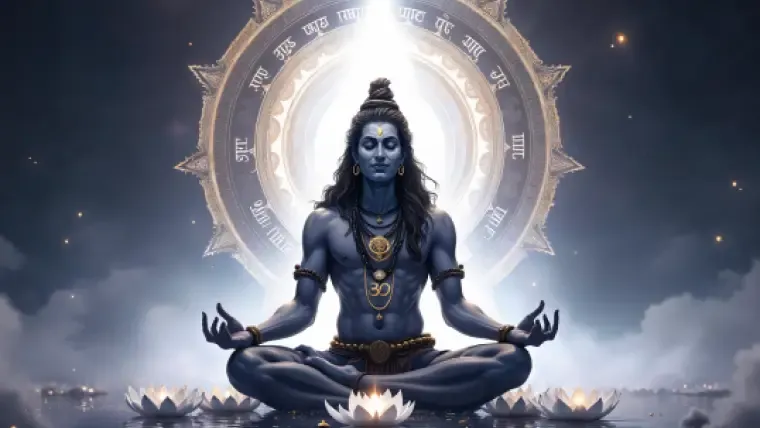
Maha Shivratri is a significant Hindu festival that celebrates the divine union of Lord Shiva and Goddess Parvati, symbolizing the coming together of energy and knowledge. In 2026, Maha Shivratri will be celebrated on Sunday, February 15. Devotees across the country observe this sacred day with great enthusiasm by fasting, chanting mantras, and seeking Lord Shiva's blessings.
Maha Shivaratri 2027 Date & Time
Duration - 00 Hours 49 Mins
Ratri First Prahar Puja Time - 06:32 PM to 09:35 PM Ratri Second Prahar Puja Time - 09:35 PM to 12:38 AM, Mar 07 Ratri Third Prahar Puja Time - 12:38 AM to 03:41 AM, Mar 07 Ratri Fourth Prahar Puja Time - 03:41 AM to 06:44 AM, Mar 07
Chaturdashi Tithi Begins - 12:03 PM on Mar 06, 2027
Chaturdashi Tithi Ends - 01:46 PM on Mar 07, 2027
When is Maha Shivaratri 2026 - Date & Puja Timings
All details regarding Maha Shivaratri 2026 date and time are mentioned below:
Festival Date: Sunday, February 15, 2026
Nishita Kaal Puja Time (Most Auspicious Time)
12:09 AM to 01:00 AM (February 16, 2026)
Duration: 51 Minutes
Nishita Kaal is considered the most sacred time to worship Shiva. Devotees perform Abhishekam, chant “Om Namah Shivaya,” and meditate during this period for maximum spiritual benefit.
Ratri Prahar Puja Timings
First Prahar: 06:11 PM to 09:22 PM
Second Prahar: 09:22 PM to 12:34 AM (Feb 16)
Third Prahar: 12:34 AM to 03:46 AM (Feb 16)
Fourth Prahar: 03:46 AM to 06:58 AM (Feb 16)
Shivaratri Parana Time (Breaking the Fast)
February 16, 2026 - 06:58 AM to 03:23 PM
Chaturdashi Tithi Details
Tithi Begins: 05:04 PM on February 15, 2026
Tithi Ends: 05:34 PM on February 16, 2026
All About the Maha Shivratri Festival
This festival holds a deep meaning for all the devotees of Lord Shiva, the god of destruction. Half of the lunar month that is clad in darkness holds a special meaning to the God. Shivratri is celebrated every month. However, this becomes even more symbolic when it falls in the month of Magha or Phalguna as per the panchang or Hindu calendar.
This marks the onset of the summer months. The day is particularly rejoiced by the devotees as they fast and pay reverence to the lingam, which is a symbol of Shiva. Maha Shivratri literally translates to "the great night of Lord Shiva." It is on this night that the lord performs tandava as per the legends. Festivities, fairs, and celebrations mark the day as one of the biggest festivals of the Hindus.
Maha Shivaratri Significance
While Maha Shivaratri holds a deep meaning for devotees and seekers alike, its importance can be understood through its cultural, astrological, and spiritual significance, each revealing its transformative essence.
Cultural Significance of Maha Shivaratri
Maha Shivaratri is celebrated as the divine union of Shiva and Parvati, marking their celestial wedding. Devotees observe fasts and perform night-long worship, praying for marital harmony, strength, and blessings similar to that of Shiva and Parvati’s sacred bond.
For those in the grihastha (householder) phase of life, the festival symbolizes stability, devotion, and victory over challenges, reflecting Lord Shiva’s triumph over negativity and destructive forces.
Astrological Significance of Maha Shivaratri
From an astrological perspective, Maha Shivaratri is considered one of the most energetically potent nights of the year. The planetary alignments during this period are believed to naturally elevate spiritual energy and enhance meditation practices.
According to Vedic astrology:
The Moon is in a phase that supports emotional balance and introspection.
Fasting and mantra chanting help reduce the malefic effects of planetary influences.
Worshipping Lord Shiva on this night is said to pacify difficult planetary placements, especially those related to Saturn and Rahu.
It is considered an auspicious time to overcome karmic burdens and seek inner purification.
Devotees believe that sincere prayers offered on this night can help neutralize negative astrological influences and invite stability, clarity, and protection.
Spiritual & Philosophical Significance of Maha Shivaratri
For spiritual aspirants, Maha Shivaratri is known as the “Great Night of Stillness.” It represents the overcoming of darkness and ignorance through awareness and self-realization.
This night is associated with:
The awakening of higher consciousness
The dissolution of ego
The union of Shiva (pure consciousness) and Shakti (divine energy)
Deep meditation and inner transformation
The observance of fasting and staying awake throughout the night is symbolic of remaining alert and aware in life. Devotees chant “Om Namah Shivaya” to purify the mind and align themselves with higher vibrations.
Ultimately, Maha Shivaratri reminds individuals that transformation begins within. Just as Shiva represents the destruction of negativity to allow renewal, performing puja on this sacred night has its own benefits, so it’s better to understand how to perform it.
Mahashivratri Puja Vidhi
The auspicious puja of this day is performed during the Nishtita Kaal. Those performing the rituals must take a bath and adorn clean clothes, followed by performing the vidhi mentioned below to seek the blessings of the lord:
Sit in a peaceful place and meditate to align yourself with the high power.
Place the idol of Lord Shiva or the Shiva lingam on a wooden platform or chowki.
Cover it with a fresh white cloth.
Light an oil lamp to the right of the chowki.
Begin the puja by sprinkling some water on the feet of the lord.
Offer an arghya to the idol.
Perform achamana which is pouring water in the palm of your right hand and consuming it.
Perform an abhishek of the idol using Ganga Jal, milk, curd, and honey.
Cover the idol in clean white clothes.
Offer a kalava or sacred thread to the idol.
Offer a janeu and some akshat to the idol.
Smear some sandalwood paste and perfume on the idol.
Offer dhatura, bel patra, fruits, and flowers to the idol.
Light incense sticks or dhoop.
Offer bhog or Naivedhya that is prepared using a satvic recipe to the lord.
Perform parikrama starting by turning to your left.
Perform the puja aarti, chant the Mantras, and end the puja by performing pushpanjali.
If you wish to invite Lord Shiva’s blessings into your life, you can explore authentic and Siddh Rudrakshas specially curated for spiritual seekers.
Maha Shivratri Mantras
Here are 10 powerful Lord Shiva mantras to chant on Maha Shivratri for spiritual blessings, peace, and prosperity:
1. Maha Mrityunjaya Mantra
"Om Tryambakam Yajamahe Sugandhim Pushtivardhanam
Urvarukamiva Bandhanan Mrityor Mukshiya Maamritat"
Meaning: A prayer to Lord Shiva for protection from untimely death and for liberation.
2. Panchakshara Shiva Mantra
"Om Namah Shivaya"
Meaning: A simple yet powerful mantra that invokes Lord Shiva and means "I bow to Shiva."
3. Rudra Gayatri Mantra
"Om Tatpurushaya Vidmahe
Mahadevaya Dhimahi
Tanno Rudrah Prachodayat"
Meaning: A mantra to seek enlightenment and guidance from Lord Shiva.
4. Shiva Shadakshara Mantra
"Om Haum Joom Sah
Om Bhooh Bhuvah Swaha"
Meaning: A mantra that praises Shiva as the supreme energy.
5. Lingashtakam Mantra
"Brahma Murari Surarchita Lingam
Nirmala Bhashita Shobhita Lingam
Janma Ja Dukha Vinashaka Lingam
Tat Pranamami Sada Shiva Lingam"
Meaning: A devotional hymn dedicated to the Shiva Lingam.
6. Shiva Dhyana Mantra
"Karacharana Kritam Vaa Kaya Jam Karmajam Vaa
Shravana Nayanajam Vaa Manasam Vaa Paradham
Vihitam Avihitam Vaa Sarvam Etat Kshamasva
Jaya Jaya Karunabdhe Shri Mahadeva Shambho"
Meaning: A mantra for seeking forgiveness and purification.
7. Shiva Anushtup Mantra
"Namah Shivaya Shantaya
Karunamurtaye Namah
Shivaya Sarvaya
Mangalaya Cha Mangalam"
Meaning: A mantra to invoke Shiva's compassion and peace.
8. Chandrashekhara Mantra
"Om Chandrashekharaaya Namaha"
Meaning: A mantra to honor Lord Shiva as the one adorned with the moon.
9. Kalabhairava Mantra
"Om Bhur Bhuvah Swaha
Om Hreem Bhram Bhairavaya Namah"
Meaning: A mantra to seek Lord Shiva's protection and remove negativity.
10. Shiv Chalisa Mantra (Opening Lines)
"Jai Ganesh Girija Suvan, Mangal Mool Sujan
Kahat Ayodhya Das Tum Dev Abhaya Varadan"
Meaning: A hymn of praise to Lord Shiva, glorifying his benevolence and power.
Chanting Mantras Tip:
Chant these mantras during Maha Shivratri after bathing or visiting a temple.
Light a diya and offer flowers or Bel leaves to a Shiva Lingam.
Meditate with devotion to experience spiritual connection and blessings
Rituals Associated with Mahashivratri Celebration
Different rituals are performed while celebrating the festival that symbolizes the union of Shiva and Parvati. Let us take a look at some of the major rituals associated with the festivities:
Young and old alike observe a fast for the whole day. Women pray for the longevity of their husband's life, while unmarried women pray for an ideal husband like Shiva.
The famous temple of Kaashi Vishwanath sees thousands of devotees visiting to seek the blessings of the lord and perform jal (water) abhishek and dudh (milk) abhishek on the Shiva lingam.
Thousands of devotees take a dip in the holy waters of the Ganga to purify their mind, body, and soul.
Bel patra and dhatura are considered to be the favorite of Lord Shiva. So, devotees offer these in great numbers at the temples.
Lord Shiva is the symbol of knowledge, hygiene, and penance. To mark this, devotees put three horizontal lines on their foreheads.
Many believe that the Rudraksha tree was born out of the tears of Lord Shiva. So, devotees make offerings to the tree to honor him.
Offerings to Avoid During Shiva Worship on Maha Shivratri
As mentioned already, you can carefully choose sacred items for Abhishekam. However, according to traditional beliefs and scriptural references, certain offerings are considered inappropriate during Shiva worship.
Tulsi Leaves
Tulsi is deeply associated with Vishnu and is therefore not offered to Lord Shiva. Each deity has specific sacred leaves and offerings, and Belpatra is regarded as most प्रिय to Shiva.
Turmeric (Haldi)
Turmeric symbolizes auspiciousness and is commonly used in worship related to marriage and prosperity. Since Shiva represents ascetic energy and detachment, haldi is generally not applied to the Shiva Lingam.
Sindoor (Vermilion)
Sindoor signifies marital status and worldly attachment. As Lord Shiva embodies renunciation and transcendence, sindoor is not offered during his worship.
Ketaki Flower
According to legend, the Ketaki flower was once forbidden in Shiva worship due to a mythological incident in which it gave false testimony. For this reason, it is traditionally avoided.
Coconut Water (in certain traditions)
While coconuts are considered sacred, some traditions advise against pouring coconut water directly over the Shiva Lingam during Abhishekam.
Important Legends Associated with Maha Shivratri
Maha Shivaratri is associated with several sacred legends that explain the divine significance of this powerful night. While the most commonly known and celebrated legend is the divine wedding of Shiva and Parvati, there are other profound mythological events that are believed to have occurred on this auspicious night.
1. The Manifestation of the Infinite Jyotirlinga
One of the most powerful legends of Maha Shivaratri describes a dispute between Brahma and Vishnu over who was supreme.
To settle their argument, Lord Shiva manifested as an infinite pillar of light, a blazing Jyotirlinga, stretching beyond the heavens and deep into the earth. He challenged both gods to find either their beginning or their end. Whoever succeeded would be declared supreme.
Lord Vishnu took the form of a boar and dug downward in search of the base. Lord Brahma transformed into a swan and flew upward to locate the top. After an endless search, Vishnu admitted defeat, acknowledging the infinity of Shiva. However, Brahma falsely claimed he had reached the summit.
Angered by the lie, Shiva severed one of Brahma’s five heads, symbolizing the destruction of ego and falsehood. This infinite pillar of light is believed to have appeared on the night of Maha Shivaratri, which is why devotees worship the Shiva Lingam as a symbol of the boundless cosmic energy.
2. Samudra Manthan and the Neelkanth Story
Another legend associated with Maha Shivaratri is the episode of Samudra Manthan, the churning of the cosmic ocean.
During the churning by gods and demons in search of nectar, a deadly poison called Halahala emerged first. Its intensity threatened to destroy the universe. To protect creation, Lord Shiva consumed the poison and held it in his throat to prevent it from spreading.
The poison turned his throat blue, earning him the name Neelkanth, meaning “the blue-throated one.” Devotees remember this supreme act of sacrifice on Maha Shivaratri and pray for strength to overcome negativity and adversity in their lives.
This Maha Shivaratri, unlock the secrets written in your stars. Discover what Lord Shiva’s blessings and your planetary alignments reveal about love, career, and destiny. Talk to an astrologer on Astroyogi today and receive personalized guidance that truly transforms your path.
Festival List
- Nag Panchami
- Raksha Bandhan
- Janmashtami
- Ganesh Chaturthi
- Onam
- Pitru Paksha
- Shardiya Navratri
- Durga Puja
- Dussehra
- Karwa Chauth
- Dhanteras
- Diwali
- Govardhan Puja
- Bhai Dooj
- Chhath Puja
- Tulsi Vivah
- Guru Nanak Jayanti
- Christmas
- New year
- Lohri
- Pongal
- Makar Sankranti
- Vasant Panchami
- Shivratri
- Ramadan
- Holi
- Good Friday
- Navratri
- Gudi Padwa
- Ugadi
- Vaisakhi
- Ram Navami
- Mahavir Jayanti
- Hanuman Jayanati
- Buddha Purnima
- Akshay Tritiya
- Shani Jayanti
- Guru Purnima
- Hariyali Teej