

What Is Diwali? Know the Meaning, Significance and Traditions
Diwali, also called Deepavali, is one of India’s most important and widely observed festivals. Celebrated over five days by Hindus, Jains, Sikhs, and some Buddhist communities in India and across the world.
It symbolizes the victory of light over darkness, knowledge over ignorance, and good over evil.
Diwali is one of India’s most popular festivals. There are various traditions associated with the holiday, which may vary depending on where and by whom the holiday is celebrated, but the essence of Diwali remains the same.
Quick Answers About Diwali
- What is Diwali? A five-day festival of lights that is celebrated by Hindus, Jains, Sikhs, and some Buddhist communities.
- What does Deepavali mean? The word means “row of lights.” In Sanskrit, it is spelled Deepa (lamp or light) + avali (row or sequence).
- What does Diwali celebrate? The victory of light over darkness, knowledge over ignorance, and good over evil.
- When is Diwali celebrated? Diwali is typically celebrated in October or November on the night of the new moon in the Hindu month of Kartika. Since the Hindu calendar is based on the moon, the exact date of Diwali changes every year.
Diwali Meaning: Why It Is Called Deepavali
Diwali is simply the shortened version of the phrase Deepavali, which is the standard term for the holiday in Sanskrit. The word "Diwali" is commonly used in everyday speech as well as in international news outlets.
To put it more simply, Diwali is the name of the famous Indian holiday that celebrates lights and is a period of ushering in wealth and prosperity and seeking divine intervention in homes and communities.
Spiritual beliefs associated with Diwali state that the holiday also symbolizes the victory of inner light over the darkness of anger, greed, and ignorance.
As you clear out the old energy and welcome new blessings into your home this season, a conversation with a verified Astroyogi astrologer can help you set meaningful intentions for the year ahead.
Why Diwali Is the Festival of Lights
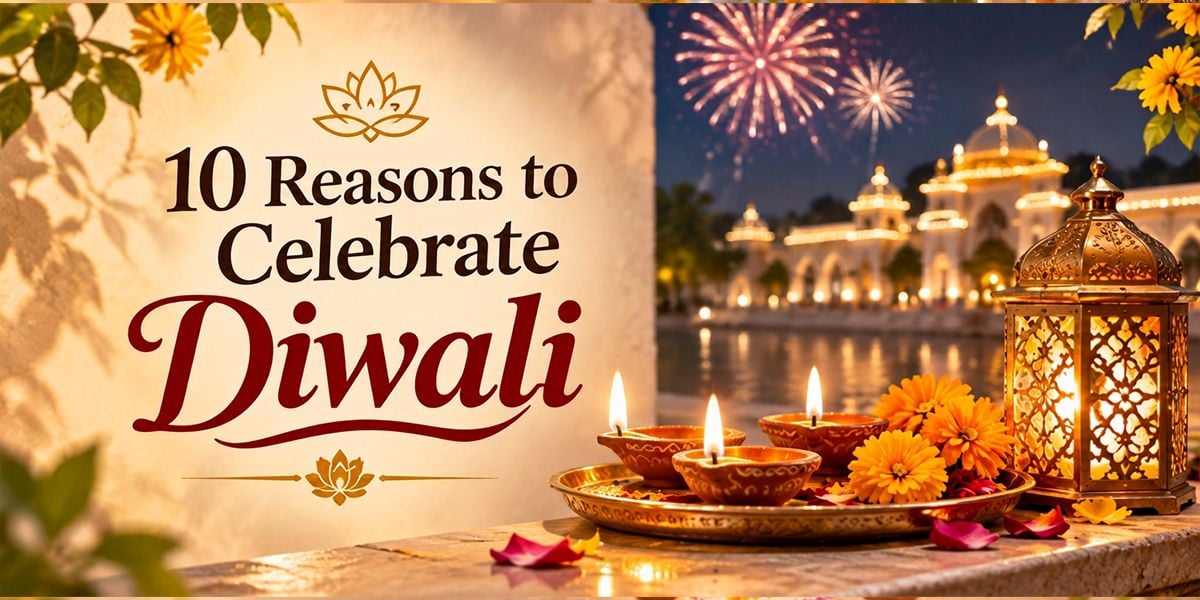
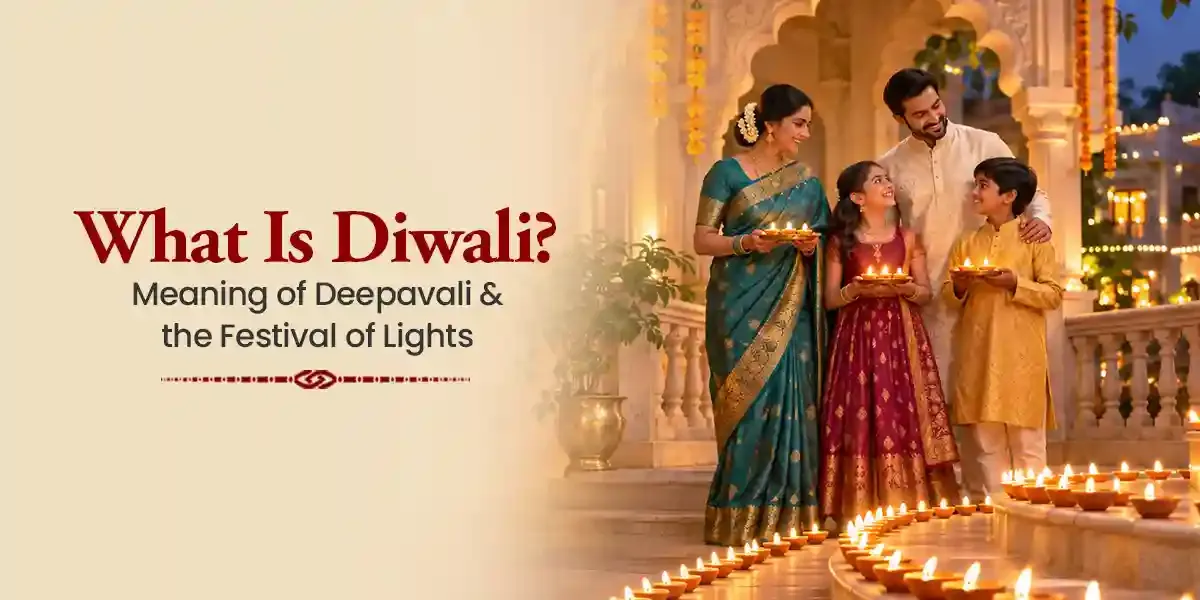
Lamps are the most recognizable symbol of the festival. Small clay oil lamps called diyas are placed in windows, doorways, courtyards, temples, and along pathways. Candles, lanterns, and electric lights often join them.
The light serves both a practical and a spiritual purpose. It brightens the darkest night of the lunar month, welcomes guests and deities, and represents hope, purity, wisdom, and divine presence.
Why Diyas Matter
Diyas carry layered symbolism in Diwali traditions.
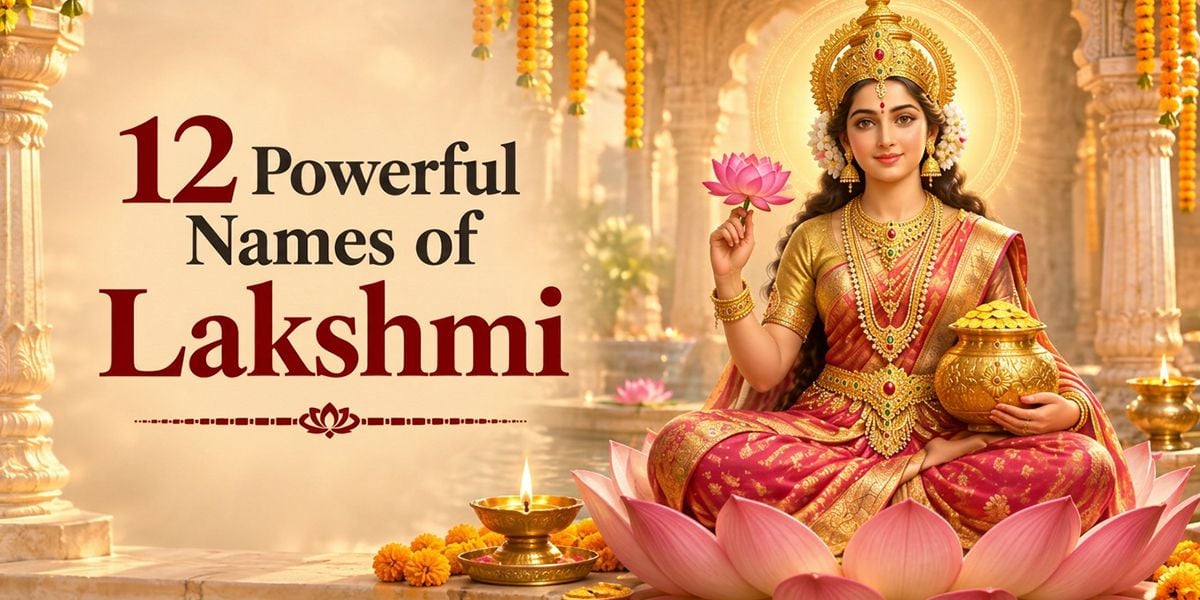
- They welcome Goddess Lakshmi and represent prosperity.
- They stand for the inner light that protects a household from spiritual darkness.
- Their placement at entrances, windows, and paths signals guidance, hospitality, and hope.
- The new moon timing makes the glow of each lamp especially meaningful.
Diwali vs. Deepavali
Diwali and Deepavali are not different festivals. The difference is linguistic and regional.
| Term | Literal Meaning | Where Commonly Used |
|---|---|---|
| Deepavali | Row of lights | South India, Sri Lanka, Singapore, Malaysia, and many diaspora communities |
| Diwali | Shortened form of Deepavali | North India and much of global English usage |
Both names express the same idea. Rows of lamps symbolize hope, spiritual awakening, and the triumph of good.
When Is Diwali Celebrated?
Diwali follows the Hindu lunisolar calendar. The main celebration falls on Kartik Amavasya, the new moon night of the month of Kartika. The festival period runs from the thirteenth day of the dark half of Ashvina to the second day of the bright half of Kartika.
Lunar months shift relative to the Gregorian calendar. Because of this, Diwali moves each year, though it consistently lands in October or November.
The darkness of the new moon night gives the lamps their special meaning. Homes, streets, shops, and temples glow brightly against the sky.
Religious Meanings of Diwali Across Communities
Diwali is often described as a Hindu festival, but millions of people from several faiths observe it. Each tradition holds its own stories and meanings.
Hindu Diwali
Diwali celebrates the return of Lord Rama, Goddess Sita, and Lord Lakshmana to Ayodhya after 14 years of exile. It also celebrates Lord Rama's victory over the demon king Ravana. Citizens are said to have lit lamps along the way to welcome them home.
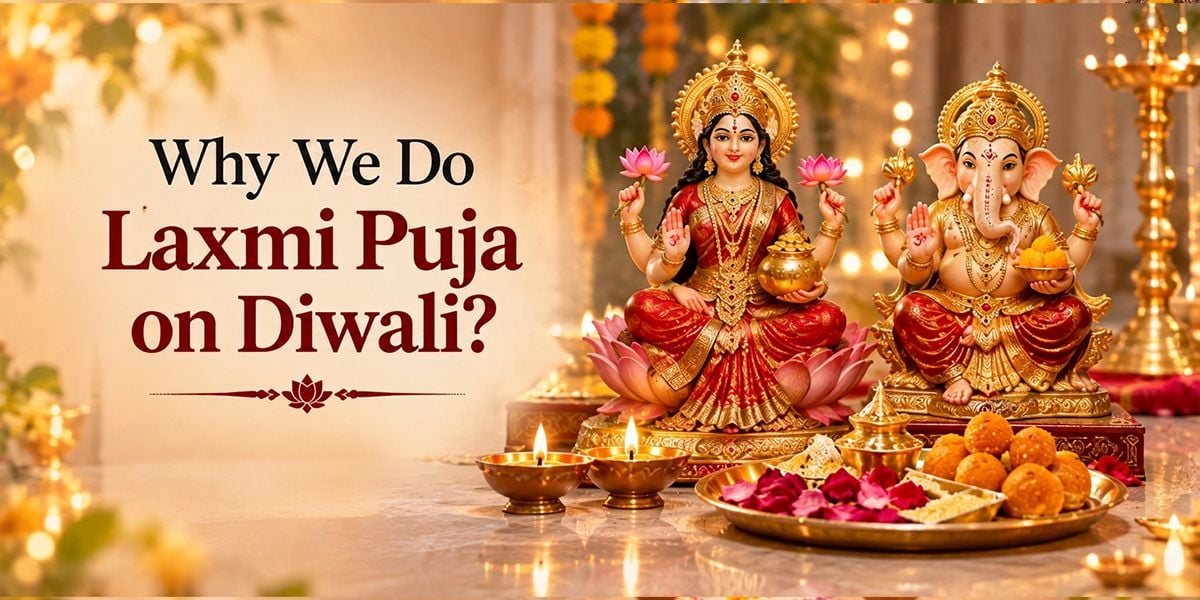
In the West and some other parts of India, the festival is linked to Lord Krishna's victory over the demon Narakasura. In many homes, Goddess Lakshmi, the deity of wealth and prosperity, is welcomed into clean and illuminated spaces. Lord Ganesha is worshipped as the remover of obstacles.
Jain Diwali
Diwali is often called Dipalikaya. It marks the nirvana, or liberation, of Lord Mahavira, the 24th Tirthankara. Lamps symbolize the light of his spiritual knowledge.
Sikh Diwali
The day is known as Bandi Chhor Divas. It is associated with the release of Guru Hargobind Ji from imprisonment and his arrival in Amritsar. Sikhs lit the Golden Temple in welcome, and gurdwaras continue to glow with lights, prayers, and community gatherings.
Regional Stories and Traditions
Diwali does not look the same everywhere. Regional narratives and rituals give the festival its richness.
- North India: The return of Lord Rama, Lakshmi Puja, rows of diyas, fireworks, and family gatherings.
- South India: Naraka Chaturdashi, Lord Krishna's victory over Narakasura, ritual oil baths, and early morning rituals.
- West India: Associations with the new year, the worship of business ledgers, and Goddess Lakshmi.
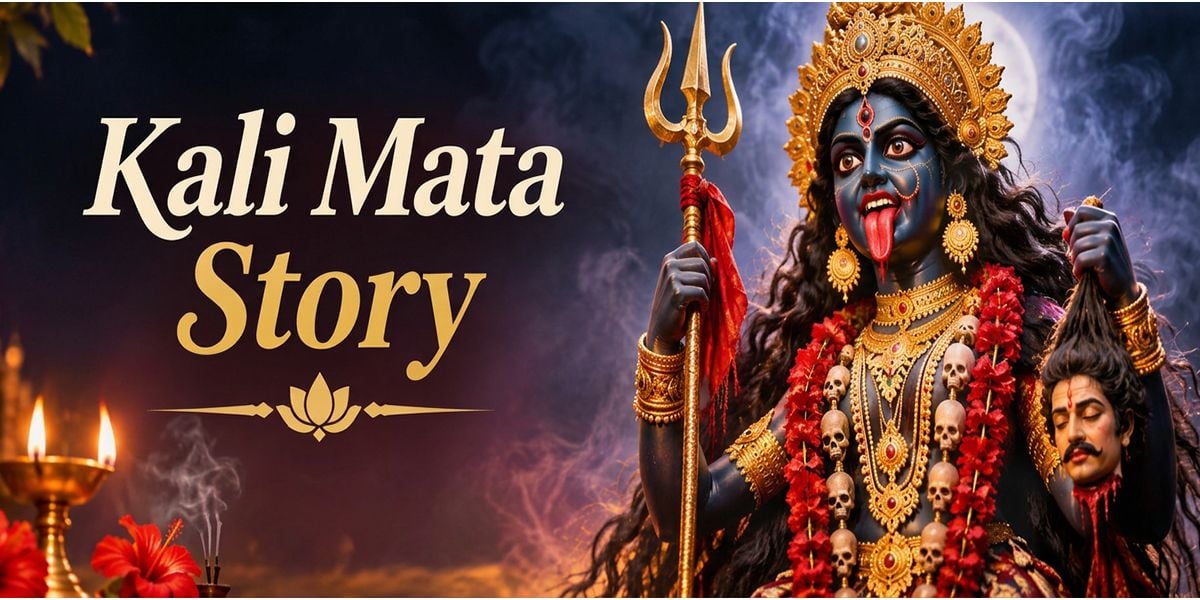
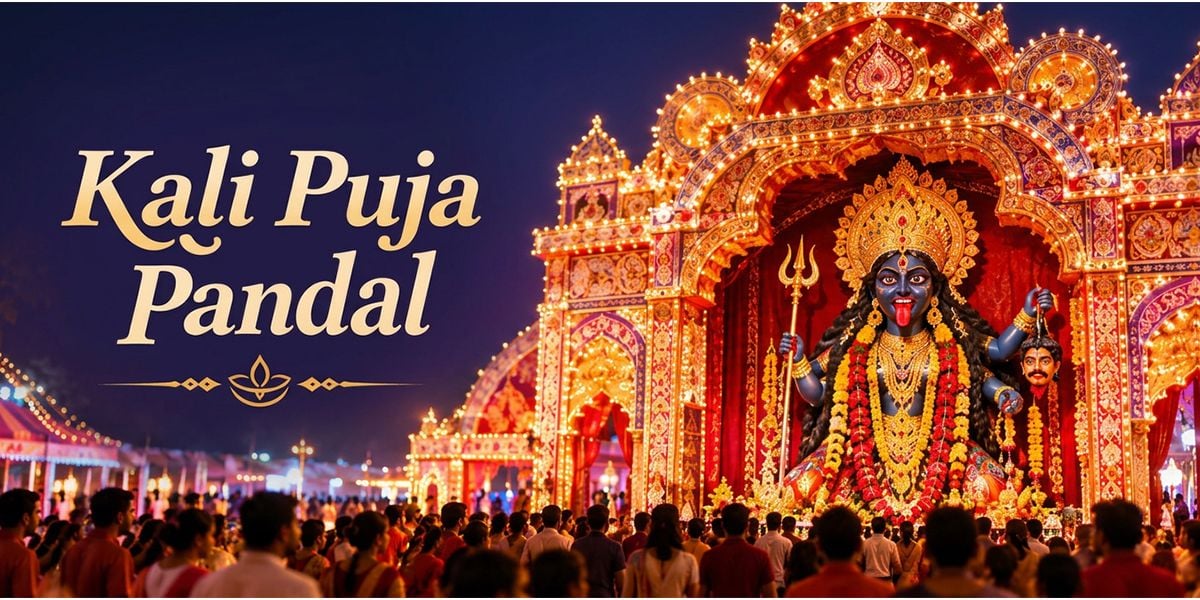
- East India: Kali Puja in many Bengali and Odia communities, along with lamps and festivities.
- Global communities: Temple services, cultural performances, shared sweets, and public illuminations in cities across the world.
The Five Days of Diwali
Diwali is commonly celebrated over five days. Not every community observes all five days in the same way, and local names and customs vary.
| Day | Common Name | Significance and Practices |
|---|---|---|
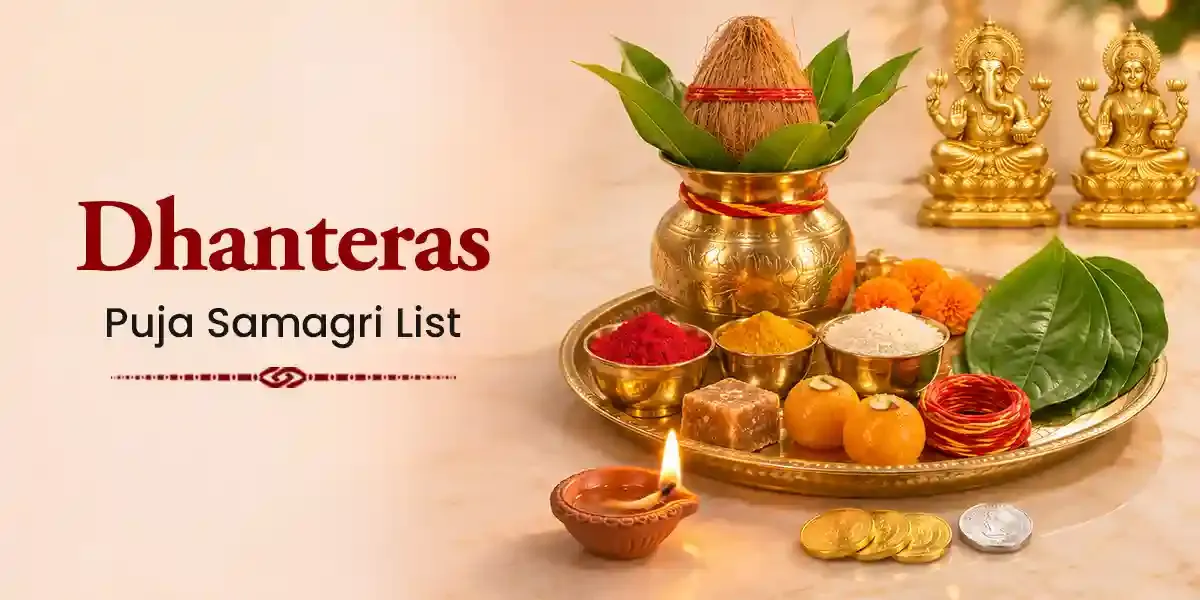
| Day 1 | Dhanteras | An auspicious beginning linked with health, wealth, and well-being. Families often buy metal utensils, gold, or essential items. |
| Day 2 | Naraka Chaturdashi / Choti Diwali | Associated with the defeat of Narakasura. Ritual baths, lamps, and prayers dispel negativity. |
| Day 3 | Diwali / Lakshmi Puja | The main festival day. Homes are illuminated, and many Hindus perform Lakshmi Ganesha puja for prosperity and wisdom. |
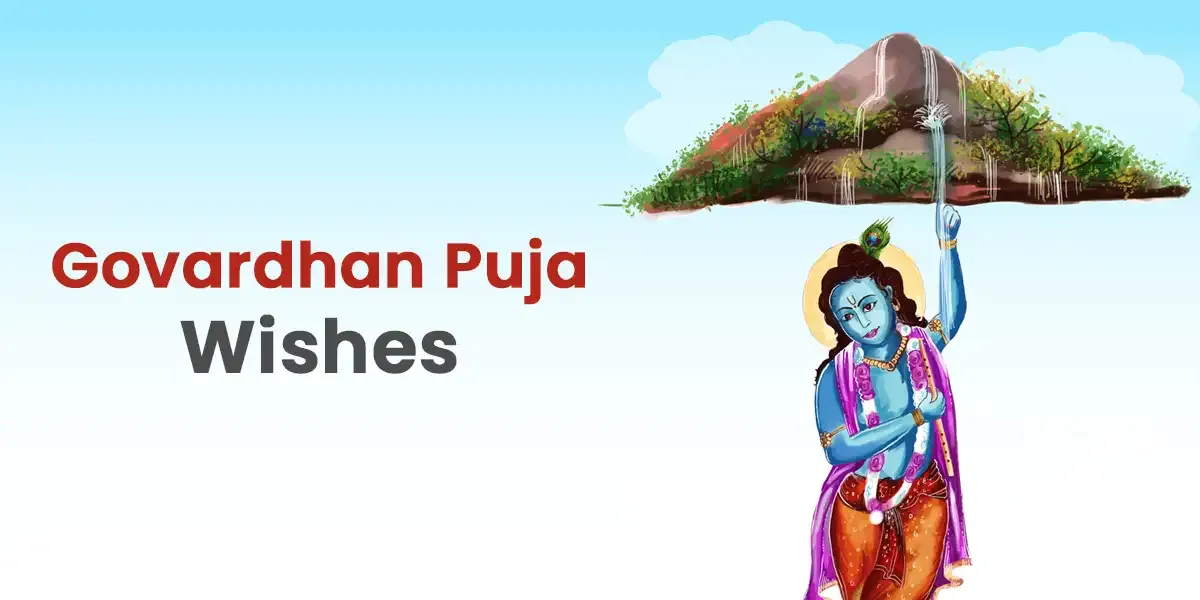
| Day 4 | Govardhan Puja / Annakut / Bali Pratipada | Honors Lord Krishna's lifting of Govardhan Hill, marks new year beginnings in some regions, or recalls the victory of King Bali. |
| Day 5 | Bhai Dooj / Bhai Tika | Celebrates the bond between brothers and sisters, with prayers for each other's protection. |
The third day is central because it falls on the new moon night. This is when the darkness is deepest, and the lamps shine brightest.
How People Celebrate Diwali
Diwali blends worship, family life, food, art, and public festivity.
- Cleaning and decorating homes. Families clean and renovate their homes before the festival. This is done to welcome positivity and Goddess Lakshmi.
- Lighting diyas and lamps. Clay lamps, candles, and decorative lights are placed in homes, temples, and public spaces.
- Making rangoli. Colorful patterns made from powders, rice, flower petals, or sand decorate entrances as welcoming art.
- Lakshmi Ganesha puja. Many Hindu families offer prayers, flowers, sweets, and lamps to Goddess Lakshmi and Lord Ganesha.
- Sweets and festive food. Mithai such as laddu, barfi, jalebi, soan papdi, and kheer are prepared and shared among relatives and neighbors.
- Gifts and greetings. Friends, family, colleagues, and neighbors exchange sweets, dry fruits, gifts, and good wishes.
- Decorations and attire. Torans, marigold garlands, lanterns, and new clothes add color and freshness to the celebrations.
Who Celebrates Diwali Around the World?
Diwali is celebrated across India, Nepal, Sri Lanka, Singapore, Malaysia, Fiji, Mauritius, Trinidad and Tobago, Guyana, the United Kingdom, the United States, Canada, Australia, and many other countries with South Asian communities.
Hindus observe it in diverse ways. Jains mark the nirvana of Lord Mahavira, and Sikhs remember the release of Guru Hargobind Ji. Some Buddhist communities observe related festivals.
Modern Diwali: Sustainability, Safety, and Giving
Fireworks have long been part of the festivities in many places. Concerns about air quality, safety, and animal welfare have led many families and cities to choose quieter and more eco-friendly celebrations.
Several thoughtful practices have become popular.
- Clay diyas and natural rangoli colors made from flowers, rice, or turmeric
- Reduced-noise celebrations that are gentler on children, elders, and animals
- Careful placement of lamps and candles away from curtains and flammable items
- Charity, food sharing, and support for local artisans and small businesses
These choices reflect the heart of the festival. Diwali supports family bonds, generosity, and the sharing of cultural heritage across generations.
FAQs About Diwali
Is Diwali a Hindu festival only?
No. Hindus, Jains, Sikhs, and some Buddhist communities celebrate Diwali, each with their own traditions and beliefs.
What is the difference between Diwali and Deepavali?
There is no difference. Deepavali is the full Sanskrit name, while Diwali is its shorter form.
Why is Diwali called the Festival of Lights?
Diwali is called the Festival of Lights because people light diyas to celebrate the victory of light over darkness and good over evil.
How long does Diwali last?
Diwali is generally celebrated over five days, but traditions may vary across regions and families.
What is the main day of Diwali?
The third day is the main day of Diwali. It falls on Kartik Amavasya, when many Hindu families perform Lakshmi and Ganesha Puja.
Why do people light diyas during Diwali?
People light diyas to welcome Goddess Lakshmi, spread positivity, and symbolize hope, wisdom, and the victory of good over evil.
Is Diwali the same as the Indian New Year?
No. Diwali is associated with the New Year in some parts of India, especially western India, but it is not the Indian New Year everywhere.
What foods are eaten during Diwali?
People enjoy traditional sweets such as laddu, barfi, jalebi, soan papdi, and kheer, along with other regional festive dishes.
How is Diwali celebrated outside India?
Diwali is celebrated outside India with temple prayers, cultural events, diya decorations, family gatherings, festive meals, and the exchange of sweets and gifts.
Talk to Astrologers
View All



Team Astroyogi is an experienced in-house editorial team of passionate writers, researchers, and astrology enthusiasts dedicated to making ancient divination sciences more accessible and meaningful in everyday life. With years of collective experience in creating insightful astrology and spirituality content, the team specializes in simplifying complex spiritual concepts into practical guidance for readers seeking clarity, balance, and personal growth. The Astroyogi editorial team possesses expertise across a wide range of subjects, including Indian Astrology, Vedic Astrology, Planetary Transits, Horoscope Analysis, Vastu Shastra, Numerology, Tarot, Spiritual Wellness, and Ritual Practices. Every piece of content is carefully researched, fact-checked, and crafted with the intention of offering reliable, insightful, and easy-to-understand guidance rooted in traditional wisdom. Driven by a commitment to authenticity and reader trust, Team Astroyogi strives to create content that empowers individuals to navigate life’s opportunities and challenges with confidence, positivity, and inner peace. Their mission is to bridge ancient astrological knowledge with modern-day relevance, helping readers make informed decisions and lead more harmonious lives.